On this page
- What Songkran Actually Is — The Buddhist Origins
- The Temple Ceremonies That Happen Before the Water Guns Come Out
- Rod Nam Dam Hua — The Elder Blessing Ceremony Most Visitors Never See
- Sand Stupas, Bird Releasing, and the Sacred Acts Inside the Festival
- Regional Differences — How the Spiritual Songkran Varies Across Thailand
- 2026 Budget Reality — Costs for Experiencing the Spiritual Side
- How to Participate Respectfully as a Visitor
- Frequently Asked Questions
Songkran 2026 falls on April 13–15, and if you’ve been scrolling through social media, you’d be forgiven for thinking it’s just a massive street party with Super Soakers. Thailand‘s tourism authorities have leaned hard into the water fight angle over the past decade, and the festival now draws millions of international visitors who come specifically for the chaos on Silom Road or Walking Street in Pattaya. That’s all fine — but there’s a deeper version of Songkran happening at the same time, often just a few streets away, and most tourists walk right past it. This article is about that version.
What Songkran Actually Is — The Buddhist Origins
Songkran marks the Thai New Year according to the traditional solar calendar. The word itself comes from the Sanskrit sankranti, meaning the movement of the sun into a new astrological sign — specifically into Aries. In Thailand’s case, that transition carries deep religious weight because the country is about 95% Theravada Buddhist, and the New Year isn’t just a date change. It’s a moral reset.
Theravada Buddhism places enormous value on the concept of merit (bun in Thai). Actions that generate merit — giving food to monks, donating to temples, freeing captive animals, caring for elders — accumulate across a person’s life and influence their rebirth. Songkran is considered one of the most powerful merit-making periods of the entire year. The logic is similar to how many Christians treat Christmas or Easter: the window is sacred, and the spiritual gains are amplified.
Water entered the picture as a purification symbol, not a weapon. Pouring water gently over a Buddha image, over the hands of an elder, or over the wrists of a monk is a way of washing away the misfortunes of the old year and welcoming a clean start. The escalation from a gentle trickle to a city-wide soaking happened gradually through the 20th century, and by the 1990s the street battles had become the dominant image internationally. But in temples, in family homes, and in quieter northern villages, the original rituals never went away.
The Temple Ceremonies That Happen Before the Water Guns Come Out
On April 13 — the first official day of Songkran — Thai families are typically at the temple by 6:00 or 7:00 in the morning, long before the street parties begin. The air at this hour still carries the cool leftover from night, and the smell of jasmine garlands mingles with incense smoke curling up from bronze censers placed at the base of Naga stairways.
The morning begins with tak bat — the almsgiving ceremony where monks walk in single file along a designated route and laypeople line the street to offer food. During Songkran, tak bat takes on extra significance. Families prepare especially elaborate offerings: handmade sticky rice parcels wrapped in banana leaves, fresh fruit, sometimes flowers. Giving food to monks on Songkran morning is considered among the most merit-generating acts a Thai person can perform all year.
After the almsgiving, families move inside the temple compound for tham bun (merit-making ceremonies led by monks). Monks chant Pali verses — a language no longer spoken outside religious contexts but preserved as the liturgical language of Theravada Buddhism. The sound is low, rhythmic, and unexpectedly calming. Laypeople sit with their legs folded to the side (never pointing at the monks or sacred images), holding incense sticks and listening. The ceremony concludes with monks blessing the congregation with lustral water flicked from a bundle of sacred grass.
Then comes the cleaning of Buddha images. Every temple brings out its most revered statues and places them in accessible positions. Worshippers pour scented water — often infused with rose petals or pandan leaves — gently over the images. This act is not casual. People queue for it, and when they reach the statue, many whisper a private prayer or wish for the new year.
Rod Nam Dam Hua — The Elder Blessing Ceremony Most Visitors Never See
Inside Thai homes on Songkran morning, something quietly profound is happening. It’s called rod nam dam hua, and it’s the ritual that sits at the emotional core of the entire festival for most Thai families.
The phrase roughly translates as “pouring water on the head” — but that description doesn’t capture what’s actually taking place. Younger family members bring a silver bowl of scented water and, one by one, pour it over the upturned hands of their grandparents, parents, and elder relatives. As the water flows, the young person makes a formal apology for any disrespect shown during the past year and asks for a blessing for the year ahead. The elder responds by offering wishes: good health, success in work or studies, a good marriage, prosperity.
This ritual encodes something important about Thai social structure. The concept of kreng jai — a kind of considerate deference to those above you — and the deep respect for elders (phuu yai) are central values in Thai culture. Rod nam dam hua gives those values a formal, annual expression. For many Thai families, especially those separated by work and urban migration, Songkran is the one time of year everyone returns home. The ceremony often happens before breakfast, with three generations crammed into a small living room, and it frequently ends in tears — the good kind.
Visitors are almost never invited into these private ceremonies, and that’s appropriate. But if you’re staying in a guesthouse with a Thai family or are friends with Thai locals, you may be included. If so, follow the lead of younger family members: kneel or sit respectfully, don’t point your feet at the elders, and accept any blessed water with both hands.
Sand Stupas, Bird Releasing, and the Sacred Acts Inside the Festival
Several specific ritual acts during Songkran carry meaning that gets lost entirely in tourist-focused coverage. Understanding them changes how you see the festival.
Building Sand Stupas
Kasat sai, or sand stupa building, is one of the oldest Songkran traditions. Families carry sand to the temple grounds and sculpt it into small pyramid or bell-shaped mounds — miniature replicas of the temple’s own stupa or chedi. These are then decorated with small flags, flowers, and incense sticks. The religious reasoning is practical and poetic at the same time: every time you walk into a temple, grains of sand cling to your feet and leave with you. Over the year, you inadvertently take pieces of sacred ground. Building a sand stupa is how you symbolically return what you borrowed. In practice, it’s also a family activity that gives children an entry point into the ceremony — a way to participate with their hands while adults perform the more formal rites.
Releasing Fish and Birds
Ploi nok ploi pla — the releasing of birds and fish — is common at temple markets during Songkran. Small birds in bamboo cages and fish in plastic bags are sold near temples, and buyers release them as a merit-making act. The idea is that freeing a living creature generates good karma and shows compassion, one of Buddhism’s core values. The practice is complex and has drawn some criticism from conservationists who point out that many released birds are recaptured and resold. That debate is ongoing in Thailand in 2026. If you want to participate, fish releasing at temples with natural ponds is generally considered less problematic than bird releasing.
Pouring Water on Naga Statues
Naga serpents — mythical water dragons from Hindu-Buddhist cosmology — guard the staircases of almost every Thai temple. During Songkran, pouring water along the spine of a Naga statue is a traditional blessing act. You’ll see worshippers carrying small containers of scented water and moving slowly along the Naga rails that flank the temple stairs, pouring as they go. It’s an intimate, quiet moment that takes about thirty seconds but carries a year’s worth of intention.
Regional Differences — How the Spiritual Songkran Varies Across Thailand
Songkran is not a single uniform event. The spiritual dimension of the festival varies noticeably depending on where in Thailand you are.
Chiang Mai and the North
The north is where Songkran’s religious traditions are most visibly intact. Chiang Mai celebrates for up to six days, longer than anywhere else in the country, and the ceremonial calendar is packed. The Phra Buddha Sihing — one of Thailand’s most revered Buddha images, normally kept in the National Museum — is paraded through the streets of the Old City on a flower-decorated float so that devotees can pour water over it. Thousands line the route not to soak each other but to reach out and touch the water that has already blessed the image. The parade moves slowly through the moat-ringed Old City in the early morning while monks chant from a sound system mounted on a second float behind. The sensory experience is overwhelming — the weight of jasmine garlands, the deep resonance of chanting mixing with the sound of the crowd, the gold of the image catching the morning light.
In smaller northern towns like Lamphun and Lampang, where tourist numbers remain low, Songkran still runs almost entirely as a community religious event with minimal commercial overlay.
Bangkok
Bangkok holds the spiritual traditions but they’re compressed into a morning window before the street celebrations take over by midday. Wat Pho, Wat Traimit, and Wat Benchamabophit all hold significant morning ceremonies on April 13. The Grand Palace area sees a formal royal ceremony that is distinct from the public celebrations — members of the royal family perform water-pouring rites on sacred Buddha images in private ceremonies that are later broadcast on national television. For Bangkok residents, the morning temple visit is non-negotiable; everything after noon is optional.
The Northeast (Isaan)
Isaan Songkran blends Thai Buddhist traditions with older animist customs. Some communities include spirit house cleaning and propitiation as part of the Songkran reset — the idea that the spirit world also needs acknowledgment at the new year. Family reunions are central: Isaan has the highest rate of urban-to-rural migration return during Songkran, with Bangkok buses and trains to the northeast running at full capacity from April 10 onward.
2026 Budget Reality — Costs for Experiencing the Spiritual Side
The spiritual dimension of Songkran is almost entirely free or very low cost. Here’s a realistic breakdown for 2026:
- Temple entry: Most major temples charge between THB 20–100 for non-Thai visitors. During Songkran, some waive entry fees for the morning ceremony period. Budget: THB 0–200 for the day across multiple temples.
- Almsgiving offerings: Pre-packaged almsgiving sets (sticky rice, canned goods, snacks) are sold near temples for THB 50–150. Preparing your own offering at a fresh market costs around THB 80–120.
- Scented water and flowers for Buddha bathing: Jasmine garland and scented water kits are sold at temple entrances for THB 20–40.
- Sand stupa supplies: Typically provided free by the temple or sold in small bags for THB 10–20.
- Bird/fish releasing: Small fish bags: THB 20–50. Bird cages: THB 40–80. (See conservation note above.)
- Transport to temples (Bangkok BTS/MRT): The 2025 BTS Yellow Line extension now connects Lat Phrao to the Silom area more efficiently, and the 2026 Purple Line Phase 2 expansion gives easier access to Nonthaburi-area temples. A day of temple-hopping via BTS/MRT will cost THB 60–150 in fares.
Budget traveller total for a full spiritual Songkran morning: THB 150–350
Mid-range (including a guided temple tour with an English-speaking guide): THB 800–1,500
Comfortable (private longtail boat to canal-side temple ceremonies, guide, premium offering sets): THB 2,500–4,000
How to Participate Respectfully as a Visitor
Songkran’s temple ceremonies are open to non-Buddhists and non-Thais. There is no requirement that you share the faith to participate — the act of showing up with respect is itself considered meaningful. But there are clear guidelines that matter.
Dress
Temple dress rules apply regardless of the holiday. Shoulders and knees must be covered. Loose linen or cotton trousers and a modest top are ideal given the April heat — temperatures in northern Thailand typically sit around 36–38°C during Songkran week. If you’re planning to go from temple ceremonies to street water fights later in the day, wear your temple clothes to the morning ceremonies and change afterward. Don’t arrive at a temple in a swimsuit or singlet planning to change inside.
Timing
The spiritual activities are concentrated in the early morning. By 10:00 or 11:00 AM, most temples have completed their main ceremonies and the crowds shift to street level. Arriving at a temple after midday on April 13 means you’ve missed the heart of it. Set your alarm.
Conduct During Ceremonies
Keep your voice low. Don’t cross in front of people who are praying or in the middle of a water-pouring rite. Photographs are generally acceptable, but read the room — if a family is in the middle of a private blessing moment, put the camera down. Never touch a Buddha image without being explicitly invited to do so as part of a ceremony. If monks are present, women should not touch them or hand anything directly to them; place offerings on a cloth or tray instead.
Water
The water used in ceremonies is considered sacred. Don’t join a temple ceremony armed with a water pistol. The transition from sacred to secular should happen when you leave the temple gate, not before.
Frequently Asked Questions
When exactly do the spiritual Songkran ceremonies take place?
The main ceremonies happen on the morning of April 13, which is the first day of the traditional three-day festival. Almsgiving typically runs from 6:00–8:00 AM, followed by temple merit-making until around 10:00 AM. Some temples hold additional ceremonies on April 14, particularly in Chiang Mai where the festival runs longer than elsewhere in Thailand.
Is it appropriate for non-Buddhist tourists to participate in Songkran temple rituals?
Yes. Thai temples during Songkran welcome respectful visitors regardless of religion. The acts of pouring water on a Buddha image or making a small offering are treated as gestures of goodwill. You are not required to convert, recite prayers, or pretend to hold beliefs you don’t. Dress modestly, move quietly, and follow the lead of those around you.
What is the difference between Songkran in Chiang Mai versus Bangkok?
Chiang Mai celebrates for up to six days (compared to the official three) and has the most intact public religious traditions, including the Phra Buddha Sihing parade through the Old City. Bangkok’s spiritual ceremonies are real but shorter — compressed into the early morning before street parties take over by midday. Chiang Mai is the better destination if the spiritual side is your primary interest.
Can I do both the temple ceremonies and the water fights on the same day?
Absolutely — and most Thai people do exactly this. Go to the temple in the morning dressed appropriately, participate in the ceremonies, then change clothes and join the street celebrations in the afternoon. The two halves of the day are understood as complementary: you clear the spiritual slate in the morning, then celebrate the new year in the afternoon. Just don’t bring water guns to the temple.
Has anything changed about Songkran in 2026 compared to previous years?
In 2026, several major temples have introduced timed-entry or registration systems for Songkran morning ceremonies to manage crowd safety following overcrowding incidents in 2024 and 2025. Thailand’s Tourism Authority has also launched a “Spiritual Songkran” campaign promoting the cultural side of the festival to balance the water fight image. Check temple websites or official TAT announcements in late March for specific 2026 updates.
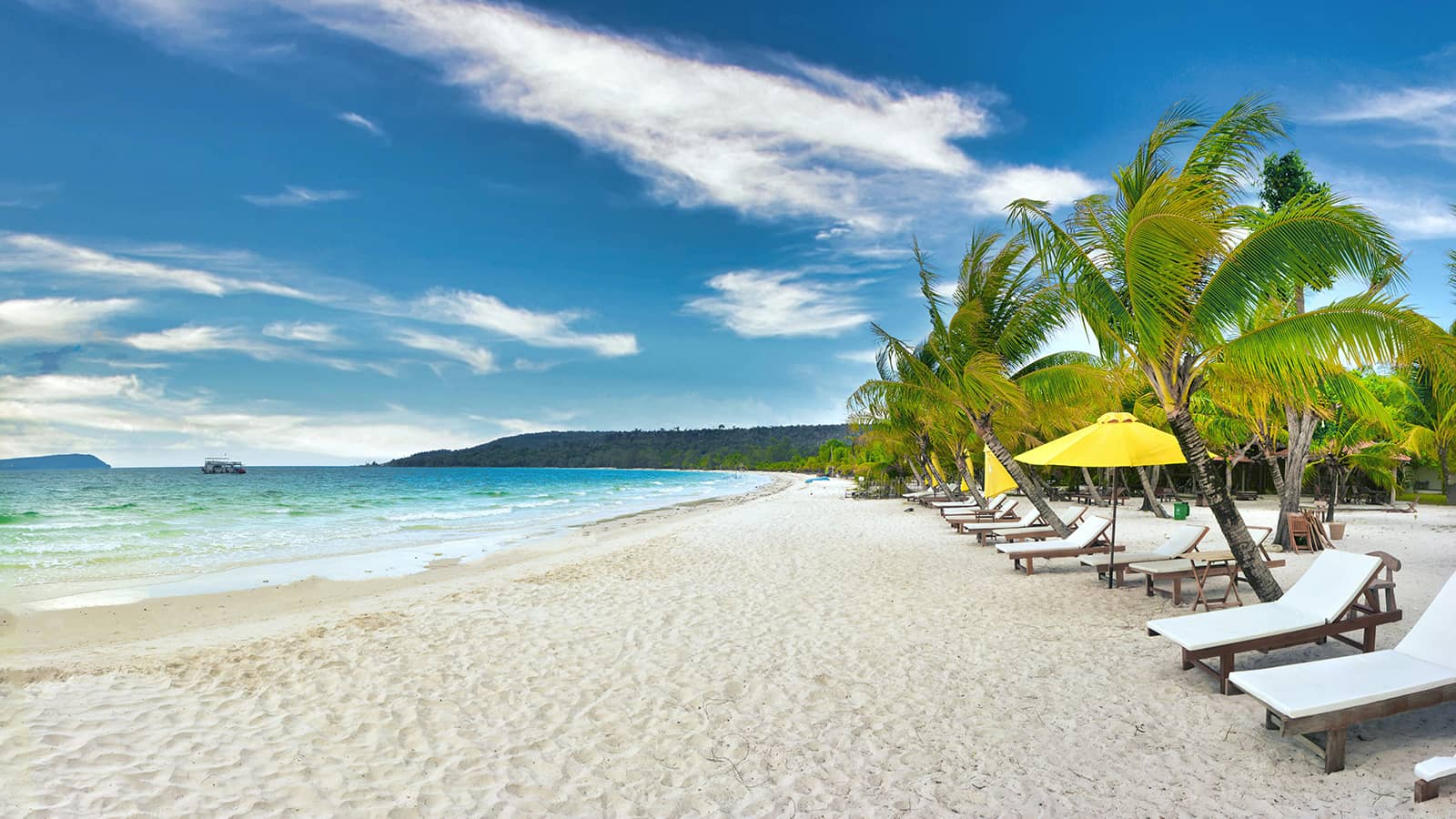
📷 Featured image by Anna Korzik on Unsplash.