On this page
- Bangkok Is Beautiful — Until Day Three in the Heat
- Ayutthaya: Walking Among Kingdoms
- Kanchanaburi: The Bridge, the River, and the Jungle
- Amphawa & Samut Songkhram: Thailand at Its Most Unhurried
- Khao Yai National Park: Elephants, Gibbons, and Real Jungle
- Damnoen Saduak & Nakhon Pathom: Two for One
- Pattaya: Skip the Strip, Find the Substance
- Planning and Logistics: What Actually Works in 2026
- Budget Breakdown: What a Day Trip Actually Costs
- Frequently Asked Questions
💰 Click here to see Thailand Budget Breakdown
💰 Prices updated: October, 2026. Budget figures are estimates — always verify before travel.
Exchange Rate: $1 USD = ฿33.60
Daily Budget (per person)
Shoestring: ฿900.00 – ฿1,800.00 ($26.79 – $53.57)
Mid-range: ฿2,150.00 – ฿4,000.00 ($63.99 – $119.05)
Comfortable: ฿6,000.00 – ฿12,000.00 ($178.57 – $357.14)
Accommodation (per night)
Hostel/guesthouse: ฿90.00 – ฿750.00 ($2.68 – $22.32)
Mid-range hotel: ฿1,400.00 – ฿3,500.00 ($41.67 – $104.17)
Food (per meal)
Budget meal: ฿70.00 ($2.08)
Mid-range meal: ฿250.00 ($7.44)
Upscale meal: ฿1,000.00 ($29.76)
Transport
Single metro/bus trip: ฿30.00 ($0.89)
Monthly transport pass: ฿1,155.00 ($34.38)
Bangkok Is Beautiful — Until Day Three in the Heat
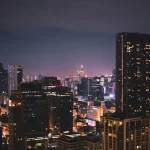
By 2026, Bangkok‘s traffic has improved in some corridors thanks to the extended MRT Blue Line and the new Pink Line connecting northern suburbs, but the city’s sensory intensity hasn’t softened one bit. The exhaust, the crowds, the relentless noise — it’s part of the magic, but after a few days it can wear anyone down. The good news: some of Southeast Asia’s most rewarding destinations sit within a two-hour radius of Bangkok, and most require nothing more than a cheap train ticket or a shared minivan. These are not compromise day trips. They are genuinely worth the effort.
Ayutthaya: Walking Among Kingdoms
Ayutthaya was once one of the largest cities on earth, the capital of a kingdom that traded with Persia, China, Japan, and Portugal. Today it’s a UNESCO World Heritage Site about 80 kilometres north of Bangkok, and it remains the single most popular day trip from the city — for good reason.
The ruins here are not polished museum pieces. They are raw and atmospheric. Headless Buddhas sit in rows inside crumbling prangs. Bricks bleached by centuries of sun give the whole island-city a warm amber glow in the late afternoon. The smell of incense drifts from the few active temples mixed between the ruins, and the sound of monks chanting can catch you completely off-guard as you round a corner near Wat Yai Chai Mongkhon.
The key sites are spread across a wide area, so renting a bicycle (around THB 50–80 per day from guesthouses near the train station) is the smartest move. You can cover Wat Phra Si Sanphet, Wiharn Phra Mongkhon Bophit, Wat Mahathat (home to the famous tree-root Buddha head), and Wat Ratchaburana in a solid four-hour loop.
Getting There
- Train: Hourly departures from Hua Lamphong or Bang Sue Grand Station. Journey time: 1.5–2 hours. Fare: THB 15–35 (third class) or THB 245–345 (air-conditioned). The train is the most scenic and comfortable option.
- Minivan: Depart from Mo Chit (near BTS Mo Chit). Journey time: 1–1.5 hours. Fare: around THB 70–100.
- Organised tour: THB 800–1,800 depending on inclusions.
Leave Bangkok by 7:00–8:00am to beat both the tour groups and the midday heat. The ruins are fully open and the light is best before 10:00am and again after 4:00pm.
Kanchanaburi: The Bridge, the River, and the Jungle
Kanchanaburi sits about 130 kilometres west of Bangkok, and it carries more emotional weight than almost anywhere else in Thailand. This is where Allied prisoners of war built the Death Railway under Japanese occupation during World War II — the railroad that crossed the infamous Bridge over the River Kwai. The JEATH War Museum and the Kanchanaburi War Cemetery are sombre, respectful, and genuinely moving places to spend an hour.
But Kanchanaburi is far more than its wartime history. The province is dense with waterfalls, national parks, and river life. Erawan National Park — about 65 kilometres north of Kanchanaburi town — has seven-tiered emerald pools where you can swim, and the water runs a colour that seems almost artificially bright against the surrounding forest. Getting to Erawan from Kanchanaburi town requires either a local bus (THB 50 each way) or a hired songthaew.
Getting There
- Train: The Death Railway train from Thonburi Station runs to Nam Tok (past Kanchanaburi town) and crosses the bridge itself. Departures at 7:45am and 1:35pm. Journey time: approximately 3 hours to Nam Tok. This is one of the great train rides in Southeast Asia.
- Bus: Depart from Bangkok’s Southern Bus Terminal (Sai Tai Mai). Journey time: about 2.5 hours. Fare: THB 100–130.
Kanchanaburi is doable in a day but genuinely deserves two. If you’re committed to a day trip, focus on the town itself — the bridge, the cemetery, and the river — rather than trying to squeeze in Erawan as well. The drive to Erawan and back alone will eat three hours of your day.
Amphawa & Samut Songkhram: Thailand at Its Most Unhurried
About 70 kilometres southwest of Bangkok, the twin destinations of Amphawa and Samut Songkhram give you a picture of old canal-side Thailand that the capital long ago buried under concrete. Amphawa’s weekend floating market runs along wooden piers over a shaded khlong, with vendors selling grilled seafood, coconut pancakes, and fresh fruit from narrow boats. The air smells of charcoal and river water. It’s not a performance for tourists — locals genuinely shop here.
The real magic happens at dusk, when longtail boats depart from the market pier for firefly tours along the mangrove canals. Thousands of synchronised fireflies light up the riverside trees in a display that requires no enhancements or narration. It simply happens, quietly, and it’s one of the most unexpectedly beautiful things you can witness within day-trip distance of Bangkok.
Getting There
- Minivan: Departures from Victory Monument BTS station. Journey time: about 1.5 hours. Fare: THB 80–100 each way.
- Organised tour: Many Bangkok tour operators run Amphawa packages (THB 700–1,500), especially on weekends.
This trip works best on a Friday evening into Saturday, or as a Saturday day trip. The floating market only runs Friday through Sunday. Arrive by 3:00pm to explore the market in daylight, eat dinner on the pier, then join a firefly boat (THB 60–80 per person, boats depart from around 7:00pm).
Khao Yai National Park: Elephants, Gibbons, and Real Jungle
Khao Yai is one of Thailand’s oldest and most important national parks, a UNESCO World Heritage forest covering over 2,000 square kilometres, roughly 160 kilometres northeast of Bangkok. It’s a long day, but for anyone who wants to see wild elephants, hornbills, and gibbon troops in genuine jungle — not a zoo or a rescue centre — Khao Yai is the answer.
The park’s interior roads give you a good chance of wildlife sightings in the early morning and around dusk. Sambar deer are almost guaranteed. Gibbons announce themselves with haunting calls that carry across the canopy. Wild elephants move through regularly, and the road near Haew Narok waterfall is a known corridor. That waterfall itself is a dramatic 150-metre drop into a forested gorge — one of the most impressive natural sights within reach of Bangkok.
Getting There
- Self-drive: Rent a car in Bangkok and drive via Highway 1 and Route 2. About 2.5–3 hours depending on traffic. Most practical for flexibility inside the park.
- Organised tour: The most common approach. Tours depart early (5:30–6:00am) and run THB 1,500–3,500 per person depending on group size and inclusions.
- Bus + songthaew: Bus from Mo Chit to Pak Chong town (THB 150–200), then hire a songthaew to the park entrance.
Entry to Khao Yai costs THB 400 for foreign visitors (2026 rate). An early start is non-negotiable — the park gate opens at 6:00am and wildlife activity drops sharply after 9:00am as temperatures rise.
Damnoen Saduak & Nakhon Pathom: Two for One
These two destinations sit in the same direction from Bangkok and can be combined into a single efficient day trip that avoids the all-day slog that single-destination trips to Damnoen Saduak sometimes feel like.
Damnoen Saduak’s floating market (about 100 kilometres southwest of Bangkok) is the most photographed in Thailand and, honestly, the most touristy. Go with eyes open — vendors here cater almost entirely to tourists, and the boat rides are priced accordingly (expect THB 150–500 for various experiences). That said, arriving before 8:00am still gives you a genuine market atmosphere. The canal scenes — narrow wooden boats loaded with tropical fruit, women in wide-brimmed hats, the low morning mist over the water — are exactly as vivid as the photographs suggest.
Nakhon Pathom, about 30 kilometres east of Damnoen Saduak on the return to Bangkok, is home to Phra Pathom Chedi — the tallest Buddhist stupa in the world at 127 metres. The golden spire dominates the town skyline for kilometres in every direction. The surrounding temple complex is calm and genuinely sacred, far less visited by international tourists than it deserves to be.
Getting There
- Minivan to Damnoen Saduak: From Bangkok’s Southern Bus Terminal or Victory Monument. About 1.5 hours. THB 70–100.
- Train to Nakhon Pathom: From Thonburi or Bangkok stations. Under an hour. THB 14–44.
- Combining both: Take the minivan to Damnoen Saduak early, then take a local bus or taxi to Nakhon Pathom (about 45 minutes), then train back to Bangkok. Practical and cheap.
Pattaya: Skip the Strip, Find the Substance
Pattaya has a reputation, much of it earned, but writing it off entirely means missing some genuinely excellent day-trip material. The city sits about 150 kilometres southeast of Bangkok in Chonburi province, and by 2026 the Eastern Economic Corridor (EEC) infrastructure push has improved road connections significantly.
The Sanctuary of Truth is the real reason to come. This enormous all-wood temple construction — every surface carved by hand with figures from Buddhist and Hindu cosmology — has been under continuous construction since 1981 and remains one of the most extraordinary structures in Southeast Asia. It rises 105 metres above the coastline, and standing at its base looking up at the layered wooden spires and thousands of carved figures is genuinely arresting.
Ko Larn, the island accessible by ferry from Pattaya pier (THB 30 each way, 30-minute crossing), offers clean beaches and clear water that the Pattaya shoreline itself cannot match. The combination of the Sanctuary and Ko Larn makes for a full, varied day without setting foot in the Walking Street area.
Getting There
- Bus: From Bangkok’s Eastern Bus Terminal (Ekamai, near BTS Ekamai). Journey time: about 2 hours. Fare: THB 131–200. Buses run throughout the day.
- Minivan: From Victory Monument or On Nut. THB 180–250. Slightly faster.
- Bell Travel/Pattaya Shuttle: Air-conditioned coaches from Sukhumvit Soi 3 and other pickup points. THB 300–350. Comfortable option that drops near the beach road.
Planning and Logistics: What Actually Works in 2026
A few things have changed in the Bangkok day-trip landscape in 2026 worth knowing before you commit to a direction:
- Bang Sue Grand Station is now the primary long-distance rail hub, replacing Hua Lamphong for most intercity services. If you’re taking a train day trip, check which station your specific service departs from — some short regional trains still use Thonburi or Hua Lamphong.
- Grab remains the most reliable app-based transport within Bangkok for reaching bus and train terminals. Share options cut costs significantly.
- Minivans are fast and affordable but have a safety record that varies by operator. Choose licensed services departing from official terminals over roadside touts.
- Early departure is universal advice for a reason. Bangkok morning traffic can add 30–60 minutes to any road journey. For train travel, this matters less. For bus and minivan, aim to be at the terminal before 7:00am on any day trip that involves a long drive.
- Cash remains essential outside Bangkok. ATMs exist in larger towns (Kanchanaburi, Ayutthaya, Pattaya) but may not be at the specific site or market you’re visiting. Carry THB 500–1,000 in small bills.
- Water and sun protection are not optional. The central plains around Bangkok average 35–38°C from March through June. A wide-brimmed hat, reef-safe sunscreen, and a refillable water bottle are practical necessities, not tourist accessories.
Budget Breakdown: What a Day Trip Actually Costs
Costs below reflect 2026 prices and cover transport, entry fees, food, and basic activities. Accommodation is excluded since these are day trips.
Budget Traveller (THB 400–800 per day)
- Third-class train or local bus transport: THB 30–150 each way
- Bicycle hire in Ayutthaya: THB 60
- Street food lunch: THB 60–120
- Temple or park entry (where applicable): THB 50–400
- Best suited to: Ayutthaya (train + bicycle), Nakhon Pathom (train)
Mid-Range Traveller (THB 800–1,800 per day)
- Minivan or air-conditioned bus: THB 100–350 each way
- Grab or taxi between sites: THB 100–300
- Sit-down lunch at a riverside restaurant: THB 150–300
- Entry fees and boat rides: THB 100–500
- Best suited to: Kanchanaburi, Amphawa, Damnoen Saduak + Nakhon Pathom, Pattaya
Comfortable Traveller (THB 1,800–4,000 per day)
- Private transfer from Bangkok: THB 1,500–3,500 round trip depending on destination
- Guided tour with English-speaking guide: THB 1,500–3,500 per person
- Lunch at a proper restaurant with river or jungle views: THB 300–600
- All entry fees and optional experiences included
- Best suited to: Khao Yai (organised tour strongly recommended), Kanchanaburi with Erawan extension
Frequently Asked Questions
What is the best day trip from Bangkok for first-time visitors?
Ayutthaya is the default recommendation, and it earns that status. The train ride is easy, the ruins are immediately impressive, and the whole trip is manageable in 8–9 hours. Renting a bicycle at the station and navigating between the main temple complexes gives a satisfying sense of exploration without requiring a guide or complex logistics.
Can I do Kanchanaburi and Erawan in the same day from Bangkok?
Technically possible but genuinely tiring. You’d need to leave Bangkok before 7:00am and won’t return until 9:00–10:00pm. Most travellers who attempt this combination wish they had stayed overnight in Kanchanaburi. If you only have one day, choose either the town and bridge area or an Erawan-focused trip — not both.
Is Damnoen Saduak floating market worth visiting in 2026?
Yes, with adjusted expectations. It is very touristy, prices are inflated for visitors, and vendors pitch hard. Arrive before 8:00am for the best atmosphere. Combine it with a stop at Nakhon Pathom on the way back to make the journey more worthwhile. If authenticity matters more than scenery, Amphawa is the better choice.
What time should I leave Bangkok for a day trip?
Between 6:00am and 7:30am for most destinations. This beats Bangkok traffic, gets you to the site before midday heat peaks, and gives you a full afternoon before needing to return. For Khao Yai, earlier is better — 5:30am departure is standard on organised tours to catch wildlife at sunrise in the park.
Do I need to book day trips in advance or can I just show up?
For train-based trips like Ayutthaya and Kanchanaburi, booking a day ahead via the Trainman app is smart on weekends. Minivans to most destinations run throughout the morning and rarely require advance booking. Organised tours to Khao Yai should be booked 2–3 days ahead, particularly on weekends in the cool season (November–February) when demand is high.
Explore more
Bangkok’s Michelin-Starred Street Food: Is It Worth the Hype?