On this page
- Mistake 1: Assuming Every Passport Gets the Same Visa-Free Stay
- Mistake 2: Mixing Up Visa Exemption and Visa on Arrival
- Mistake 3: Skipping the Tourist Visa When You Need More Time
- Mistake 4: Arriving Without the Documents Officers Actually Check
- Mistake 5: Still Chasing the Thailand Pass
- Mistake 6: Misreading Land Border Rules
- Mistake 7: Treating Overstays and Visa Runs Casually
- 2026 Budget Reality: What Each Route Costs
- Frequently Asked Questions
You have booked the flights and picked the islands, then someone in a forum tells you the visa rules changed last month. In 2026 the confusion is real. Visa-exempt stays, Visa on Arrival, the e-Visa portal and old COVID-era advice all float around the internet at the same time. One wrong assumption can mean a denied boarding at your home airport or a long conversation at an immigration desk. This guide covers the mistakes travellers make most often and how to avoid each one.
Mistake 1: Assuming Every Passport Gets the Same Visa-Free Stay
More than 60 countries are typically eligible for visa exemption, which means you can enter Thailand without arranging a visa first. The most common stay is 30 days. That covers nationalities including the United States, United Kingdom, Australia, Canada, New Zealand, Japan, South Korea, Singapore, Malaysia, Indonesia, the Philippines and most European Union states such as France, Germany, Italy and Spain.
The mistake is assuming your friend’s length of stay applies to you. Some nationalities have historically had different durations. Some Nordic countries once had 90 days, and Russia once had 45. Temporary extensions introduced during the post-COVID recovery were often time-limited. Thailand has also moved between shorter and longer exemption periods in recent years. For 2026, plan around the standard 30 days unless the Ministry of Foreign Affairs or your nearest Royal Thai Embassy says otherwise for your passport.
Check your own nationality on https://www.mfa.go.th/ a few weeks before you fly, and again a few days before. Do not rely on a blog post from two years ago, including this one, as your only source.
Mistake 2: Mixing Up Visa Exemption and Visa on Arrival
These are two different systems. Visa exemption means no visa at all. Visa on Arrival (VOA) is a paid, short-stay visa issued at the airport or a land border for nationalities who do not qualify for exemption.
About 19 nationalities are typically eligible for VOA, including India, China, Kazakhstan, Uzbekistan, Taiwan, Saudi Arabia, Bhutan, Cyprus, Ethiopia, Fiji, Georgia, Malta, Mexico, Nauru, Papua New Guinea, Romania, San Marino and Vanuatu. VOA gives you up to 15 days, and the fee is 2,000 THB per person. Temporary waivers have happened, such as the one for Chinese and Kazakh tourists in late 2023, but assume the fee applies in 2026 unless an official announcement says otherwise.
How the VOA process works at Suvarnabhumi (BKK) and Don Mueang (DMK)
- Follow the “Visa on Arrival” signs as soon as you leave the plane.
- Collect and fill in the application form at the VOA counter.
- Prepare your documents: passport valid for at least six months, one 4×6 cm photo with a white background, a confirmed onward ticket within 15 days, proof of accommodation, and proof of funds.
- Hand everything to the officer with the 2,000 THB fee.
- Wait for the stamp in your passport.

The common failures are simple. People arrive with no printed photo, with the wrong photo size, or with a card but no cash. The VOA counter takes Thai Baht cash only. Photo booths at the airports charge roughly 200-300 THB, which is an annoying extra cost when a pharmacy photo at home costs far less.
The e-VOA shortcut
For some VOA-eligible nationalities, such as China and India, an e-VOA is available online through https://www.thaievisa.go.th/ or designated partner platforms. The fee is typically the same 2,000 THB plus a service charge of around 500-600 THB, and processing usually takes 24-72 hours. You pay more, but you skip the counter queue. Stay with official channels or clearly authorised partners, and be suspicious of any site that looks unfinished or asks for unusual extra fees.
Mistake 3: Skipping the Tourist Visa When You Need More Time
If your passport does not qualify for exemption or VOA, or you want to stay longer than 30 or 15 days, you need a Tourist Visa (TR) before you travel. A single-entry TR gives you up to 60 days. You can usually extend it once for another 30 days at a Thai Immigration Office, for a maximum of 90 days.
Applying through the e-Visa portal
- Go to your local Royal Thai Embassy or Consulate website, or directly to https://thaievisa.go.th/.
- Create an account on the portal.
- Select “Tourist Visa (TR)”.
- Upload a passport scan (valid at least six months), a digital photo taken within the last six months, a confirmed flight itinerary (inbound and outbound), proof of accommodation, and bank statements showing at least 20,000 THB per person or 40,000 THB per family. If you are visiting friends or family, add an invitation letter with copies of their Thai ID or passport.
- Pay the fee online by Visa, Mastercard, JCB or UnionPay. It is approximately 1,000 THB, though it varies a little with the embassy and exchange rates.
- Submit and wait. Processing usually takes 5-10 business days, and you will get an email when it is approved.
The mistakes here are timing and sloppy uploads. Applying a week before departure leaves no room for a rejected file. A blurry bank statement or a mismatched hotel date can send you back to the start. Upload clean scans and make sure the dates across your flights, hotels and application all agree.
Mistake 4: Arriving Without the Documents Officers Actually Check
Across visa-exempt, VOA and TR entries, the same items come up again and again. The arrival queue after a long flight is the wrong moment to discover your paperwork has a gap.
- Passport validity: At least six months from your date of entry is the minimum. Many airlines also want six months beyond your intended departure date, so aim for that to stay safe.
- Onward or return ticket: This is close to non-negotiable. For visa-exempt entry, the ticket must show departure within the 30-day period. For VOA, within 15 days. Airlines often check before you board, and an officer can refuse entry without it.
- Proof of funds: Be ready to show 10,000 THB per person or 20,000 THB per family, in cash or a bank statement. It is not always checked, but when it is, you cannot fix it at the counter.
- Accommodation: Not always mandatory for exempt entry, but a confirmed booking or address speeds things up. It is required for VOA.
- Photos: Recent, plain white background, facing forward. VOA uses 4×6 cm. The e-Visa portal asks for specific pixel dimensions.
- Departure card: You will fill one in on arrival, so keep a pen handy.
Mistake 5: Still Chasing the Thailand Pass
The Thailand Pass was discontinued on 1 July 2022. It is still the most common outdated advice floating around. In 2026 there is no pre-registration, no proof of COVID-19 vaccination, no COVID-19 insurance requirement, no pre-arrival or on-arrival testing, and no COVID-specific health declaration.
If a website is selling a “Thailand Pass application” today, treat it as a warning sign. Travel insurance with medical cover is not required, but it is strongly recommended. A private hospital visit in Bangkok or Phuket can get expensive quickly.

Mistake 6: Misreading Land Border Rules
Crossing by land from Malaysia, Laos, Cambodia or Myanmar follows its own rhythm. Border posts can be crowded and hot. At Aranyaprathet, you may spend hours in a queue shuffling between offices.
For visa-exempt nationalities, land crossings now grant 30 days, matching air arrivals. This replaced the old 15-day land limit that applied until mid-2023. VOA-eligible nationalities still get 15 days at land borders, with the same 2,000 THB cash fee. Officers may ask for the same items as at the airport: a passport valid for six months, a departure card (handed out at the border), onward travel proof, and proof of funds of 10,000 THB per person or 20,000 THB per family.
There is often a cap on land entries per calendar year, for example two for some nationalities. It is applied inconsistently and at officer discretion, so check the current policy for the specific post before you rely on it.
Main crossings
- Malaysia: Padang Besar (served by SRT trains from Malaysia) and Sadao (buses and private vehicles).
- Laos: Nong Khai at the Thai-Lao Friendship Bridge (SRT trains and buses) and Chiang Khong (buses to Houayxay).
- Cambodia: Aranyaprathet / Poipet (buses and taxis).
- Myanmar: Mae Sai / Tachileik, which has limited access and is often for day trips only, not always full visa entries.
The mistake is using old information, such as a 2022 blog post saying 15 days, or assuming a border run is a guaranteed reset.
Mistake 7: Treating Overstays and Visa Runs Casually
An overstay carries a fine of 500 THB per day, and it can also lead to detention or blacklisting. Do not treat it as a small cost to pay at the airport. A blacklist can cause trouble for future trips.
If you need more time, ask for an extension at a Thai Immigration Office before your permitted stay ends. Repeated visa runs, where you hop out of the country and straight back in, draw scrutiny. Officers can ask pointed questions about your plans, funds and ticket, and the entry is never guaranteed.
If your plan is to live in Thailand rather than visit, tourist routes are not designed for that. The Thailand Elite Visa is a long-term, membership-style option worth researching through its official channels. It is a different category from the exemption, VOA and TR routes covered here, so compare it against your plans rather than stacking short stays.
2026 Budget Reality: What Each Route Costs

Visa costs are small compared with the cost of getting them wrong. These are the figures to plan around in 2026.
- Budget tier, visa-exempt entry: No visa fee. You still need to show 10,000 THB per person (20,000 THB per family) if asked.
- Budget tier, VOA at the airport or land border: 2,000 THB cash. Add roughly 200-300 THB if you need an airport photo booth.
- Mid-range, e-VOA (where available): 2,000 THB plus a service charge of around 500-600 THB, so roughly 2,500-2,600 THB.
- Mid-range, single-entry Tourist Visa (TR): approximately 1,000 THB online. You need bank funds of 20,000 THB per person (40,000 THB per family).
- Comfortable, multi-entry TR: around 5,000 THB, with multiple 60-day entries over six months and stricter financial requirements.
- Penalty to avoid: 500 THB per day for an overstay.
Payment methods differ. The e-Visa portal accepts major cards. The VOA counter takes only Thai Baht cash. Bring the cash with you, or use an airport ATM before you reach the counter.
Frequently Asked Questions
How long can I stay in Thailand without a visa in 2026?
Most Western nationalities, including the US, UK, Australia, Canada and most EU countries, get 30 days under the standard visa-exempt rule, for both air and land entry. Durations have shifted in recent years, so confirm your nationality on the Thai Ministry of Foreign Affairs website before booking your flights.
How much is Visa on Arrival, and can I pay by card?
The Visa on Arrival fee is 2,000 THB per person, and the counter accepts Thai Baht cash only. The stay is up to 15 days. Bring a 4×6 cm photo, an onward ticket within 15 days, proof of accommodation, and funds of 10,000 THB per person.
Do I still need the Thailand Pass in 2026?
No. The Thailand Pass was discontinued on 1 July 2022. In 2026 there are no COVID-19 vaccination, testing, insurance or health declaration requirements for entry. Travel insurance with medical cover is still strongly recommended, though it is not mandatory for entering the country.
What happens if I overstay my visa in Thailand?
An overstay brings a fine of 500 THB per day, and it can also lead to detention or blacklisting. Do not treat it as a small cost. If you need more time, apply for an extension at a Thai Immigration Office before your permitted stay ends.
How long does a Thai Tourist Visa take, and how long can I stay?
Online TR applications through thaievisa.go.th usually take 5-10 business days. A single-entry TR visa allows up to 60 days, with one possible 30-day extension at a Thai Immigration Office, for a maximum of 90 days. The fee is approximately 1,000 THB.
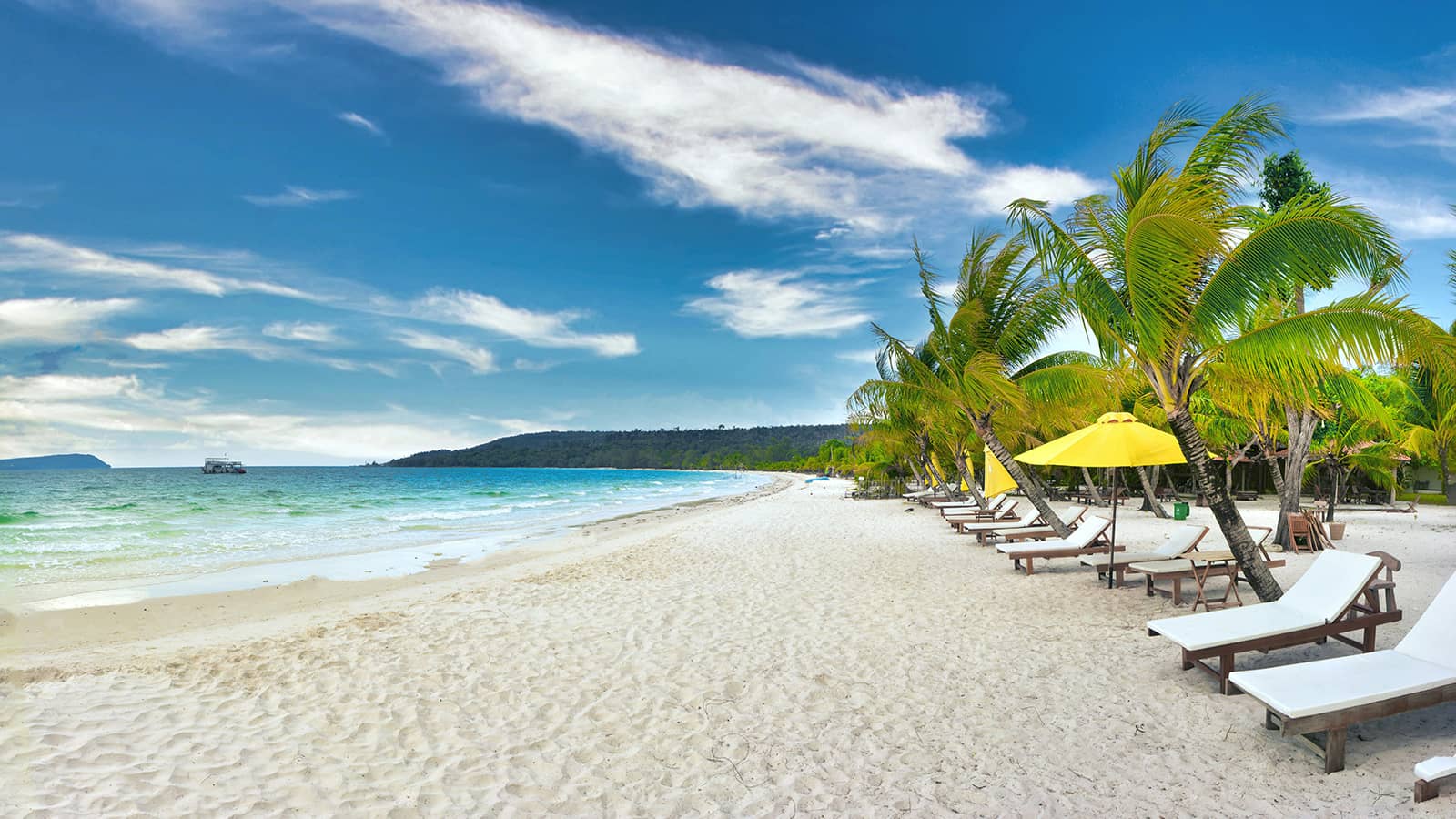
📷 Featured image by Lai Man Nung on Unsplash.