Planning a Thailand trip in 2026 usually means one big worry: will the rain ruin it? November is the month that answers that question best. The rainy season is ending, the humidity starts to drop, and the sky clears across most of the country. The catch is that Thailand’s weather is not the same everywhere in November, and picking the wrong coast can cost you a week of grey skies.
What November Weather Actually Feels Like
November sits at the handover between the rainy season and the cool, dry season. Do not expect a European winter. “Cool” in Thailand means the air stops feeling like a sauna.
- Bangkok and central Thailand: Daytime highs are usually around 32°C, with evenings dropping to about 23–25°C. Early in the month you may still get an afternoon shower. By late November the mornings feel noticeably lighter.
- Chiang Mai and the north: This is where the “cool” really shows up. Days are often around 28–30°C, and nights can fall to roughly 17–20°C in the city. In the hills, mornings can be colder.
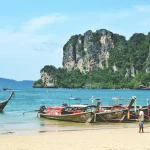
- Andaman coast (Phuket, Krabi, Khao Lak): The seas are calming and the high season is starting. Some rain is still possible early in the month, but it usually improves as November goes on.
- Gulf islands (Koh Samui, Koh Phangan, Koh Tao): This side gets its heaviest rain from around October to December. November is often wet and the sea can be rough.
Think of November as a month of trends, not guarantees. The first week can look like October. The last week can feel like the start of peak season.
Where to Base Yourself
The smartest November itinerary follows the weather. Go north for the cool air and festivals, or head to the Andaman coast for beaches. Skip the Gulf islands unless you are happy to gamble.
Chiang Mai and the north
Chiang Mai is the natural pick. Rice fields around the region turn golden, the hills are green after months of rain, and the old city feels pleasant to walk. Early mornings at a temple on the Doi Suthep road, with mist hanging over the valley and the air smelling of damp earth and incense, are one of the best parts of the season. Pai, Chiang Rai and the mountain villages are also good choices when the roads have dried out.
The Andaman coast
If you want beaches, Phuket, Krabi, Koh Lanta and Khao Lak make more sense than the Gulf. The sea gets calmer and the diving and snorkelling season is getting going. National park islands in the Andaman Sea, such as the Similan Islands, have traditionally reopened in the middle of October for the season. Check the current status with your tour operator before you book.

Bangkok as a bridge
Bangkok works any month because so much of it is indoors or on the move. In November the river and the streets are easier to enjoy. A Chao Phraya boat ride at golden hour, with the temples lit orange along the bank, is far more comfortable now than in April.
Loy Krathong and Yi Peng in 2026
Loy Krathong falls on the full moon of the twelfth month in the Thai lunar calendar. In 2026, that is expected to land around 24 November. Dates can shift, so confirm locally before you lock in flights. Chiang Mai’s northern lantern festival, Yi Peng, is held around the same time.
On Loy Krathong night, people set small floating baskets, made of banana trunk or bread and decorated with flowers, candles and incense, onto rivers, lakes and ponds. The scene is quiet and beautiful: hundreds of tiny flames drifting on dark water, the smell of burning incense and jasmine, and families crouching at the bank to make a wish.
- Chiang Mai: The most famous setting, with lanterns and floating baskets. It is also the most crowded.
- Sukhothai: A well-known festival setting among the historic ruins, with a calmer, more cultural feel.
- Bangkok: Many parks, riverside spots and hotels hold their own celebrations. Lumphini Park and the riverfront are popular with locals.
- Small towns: A local pond with a few families and a snack stall can be the most memorable option.
Rules on releasing sky lanterns have varied by place and year, and some areas restrict them for safety and environmental reasons. Ask your hotel or the local tourism office what is allowed. Use biodegradable krathongs made of natural materials, never foam.

Eating and Exploring in Cooler Air
Cooler evenings change how Thailand feels. Night markets are easier to enjoy, and walking with a bag of food is no longer a sweaty task. In Bangkok, an evening in Yaowarat (Chinatown) means smoky wok-fried noodles, grilled seafood and the sharp sweetness of fresh sugarcane juice, all without the heavy heat of the hot season.
In the north, the cool season is the time for warming local dishes. Look for khao soi, the curried noodle soup with crispy noodles on top, and sai oua, the herby northern sausage. A bowl of khao soi in a small family shop, with its rich coconut curry, lime and pickled mustard greens, tastes best on a chilly morning.
November is also a good time for outdoor plans:
- Hiking: Trails in the north are more comfortable, though some may still be muddy early in the month.
- Cycling: Around Sukhothai and Ayutthaya, the ruins are pleasant to explore by bike in the morning.
- Waterfalls: Flows are often at their strongest right after the rains, so waterfalls look their best early in the cool season.
- Diving and snorkelling: On the Andaman side, conditions improve as the month goes on.
November 2026 Budget Reality
November is a shoulder month. Prices are often lower than December and January, but they can rise sharply around Loy Krathong and in beach areas as the high season starts. The figures below are rough 2026 estimates and vary by location and season.
Budget (about 1,200–2,000 THB per day)
- Hostel dorm or simple guesthouse: roughly 300–700 THB
- Street food and local restaurant meals: roughly 50–120 THB per dish
- Local transport (songthaew, buses, ride-hailing for short trips): roughly 30–150 THB per ride
Mid-range (about 3,000–6,000 THB per day)
- Comfortable hotel or boutique stay: roughly 1,500–3,500 THB
- Restaurant meals: roughly 150–400 THB per person
- Day trips, entry fees and occasional domestic flights
Comfortable (about 7,000+ THB per day)
- Upscale hotel or resort: roughly 4,500 THB and up, with much higher rates in peak beach areas
- Fine dining and private drivers or guides
- Island transfers and private tours
Prices for lanterns, krathongs and festival entry vary by venue, so confirm them locally.
Booking and Timing Strategy
The best November plan is to book the big pieces early and leave the rest flexible.
- Chiang Mai during Loy Krathong: Book accommodation as early as possible, ideally several months ahead. Good places fill first.
- Andaman beach hotels: For late November, booking a few weeks to a couple of months ahead is sensible. Early November is easier.
- Getting north: Bangkok to Chiang Mai is served by flights, long-distance buses and the overnight train. The train is a slow but atmospheric option, and sleeper berths can sell out around festival dates. Flights usually cost somewhere around 1,000–2,500 THB, depending on timing and airline.
- Weather flexibility: If you travel early in the month, keep one or two open days in case a storm disrupts your plans.

A simple route for ten days: start in Bangkok for three nights, spend four in Chiang Mai (timing it with Loy Krathong if you can), then fly to Phuket or Krabi for the last three nights. You get culture, cool air and beach time, with minimal rain risk.
Packing and Practical Tips
November packing is mostly about preparing for contrast. You may need shorts in Bangkok and a light jacket in the northern hills in the same trip.
- A light layer such as a fleece or a thin jacket for northern evenings and mountain mornings
- A compact rain jacket, because early-month showers still happen
- Breathable clothing, sunscreen and a hat, since the sun is still strong
- Modest clothing for temples, with covered shoulders and knees
- Insect repellent, especially near water and in the evening
- A small bag or pouch to keep your phone dry during sudden showers
Air quality is worth watching, too. The northern burning season is more commonly associated with the months after November, but it is smart to check an air-quality app as you plan your dates, especially if you have breathing issues.
Frequently Asked Questions
Is November a good time to visit Thailand?
Yes, for most of the country. The rainy season is ending, humidity drops and skies clear, especially in the north and on the Andaman coast. The Gulf islands are the main exception, as they often stay wet through November. Crowds and prices are usually lower than in December and January.
When is Loy Krathong in 2026?

Loy Krathong follows the Thai lunar calendar and is held on the full moon of the twelfth month. For 2026, it is expected around 24 November. Dates can differ slightly by region, so confirm with your hotel or the local tourism office before booking flights and accommodation.
Is it still rainy in Thailand in November?
It depends where you are. Bangkok and the north may get a few showers early in the month, then become drier. The Andaman coast improves as November goes on. The Gulf islands, including Koh Samui and Koh Phangan, often get their heaviest rain in this period.
How cold does it get in Chiang Mai in November?
Not very cold by global standards, but noticeably cool for Thailand. Days are often around 28–30°C, and nights can drop to roughly 17–20°C. Higher mountain areas can feel colder in the early morning. A light jacket or fleece is enough for most visitors.
Which beaches are best in November?
The Andaman coast is the safer choice, including Phuket, Krabi, Koh Lanta and Khao Lak. Seas become calmer and conditions improve through the month. Gulf-side islands such as Koh Samui and Koh Tao often have rougher seas and more rain during this period.
Explore more
November 2026 in Thailand: Enjoying the Perfect Cool Season Weather
Thailand’s Festival of Lights: Loy Krathong in November 2026
October 2026 in Thailand: The Perfect Blend of Greenery and Sunshine
📷 Featured image by Karl Moore on Unsplash.