On this page
- Why Koh Chang Works as an Island-Hopping Base
- Koh Wai: The Easiest First Hop
- Koh Mak: Flat, Quiet and Made for Bikes
- Koh Kood: The Far Island Worth the Extra Boat
- Koh Rang and the Snorkelling Tours
- Getting to Koh Chang and Between Islands in 2026
- Day Trip or Overnight?
- Where to Eat Across the Islands
- 2026 Budget Reality
- Season and Sea Conditions
- Frequently Asked Questions
💰 Click here to see Thailand Budget Breakdown
💰 Prices updated: October, 2026. Budget figures are estimates — always verify before travel.
Exchange Rate: $1 USD = ฿33.60
Daily Budget (per person)
Shoestring: ฿900.00 – ฿1,800.00 ($26.79 – $53.57)
Mid-range: ฿2,150.00 – ฿4,000.00 ($63.99 – $119.05)
Comfortable: ฿6,000.00 – ฿12,000.00 ($178.57 – $357.14)
Accommodation (per night)
Hostel/guesthouse: ฿90.00 – ฿750.00 ($2.68 – $22.32)
Mid-range hotel: ฿1,400.00 – ฿3,500.00 ($41.67 – $104.17)
Food (per meal)
Budget meal: ฿70.00 ($2.08)
Mid-range meal: ฿250.00 ($7.44)
Upscale meal: ฿1,000.00 ($29.76)
Transport
Single metro/bus trip: ฿30.00 ($0.89)
Monthly transport pass: ฿1,155.00 ($34.38)
Many travellers book Koh Chang, spend a week on the same beach, and only later learn that four or five smaller islands sit within an hour or two by boat. In 2026, with Thai beaches more crowded than ever, the quieter islands off Trat province are the reason to come east. The hard part is knowing which boats run, which islands suit a day trip, and which deserve a night or two.
Why Koh Chang Works as an Island-Hopping Base
Koh Chang is Thailand’s third-largest island. It is mostly steep jungle, with waterfalls and a single coastal road that rises and drops over hills. Most visitors stay on White Sand Beach, Kai Bae, or the backpacker-friendly Lonely Beach. The island is part of the Mu Ko Chang marine national park, and the surrounding sea holds dozens of smaller islands.
Koh Chang is the best base for hopping because its southern end, around Bang Bao pier, is closest to Koh Wai and has regular boats to Koh Mak and Koh Kood in high season. You can sleep in a comfortable bed, use the island’s restaurants and pharmacies, and still reach quiet islands in under an hour.
Koh Wai: The Easiest First Hop
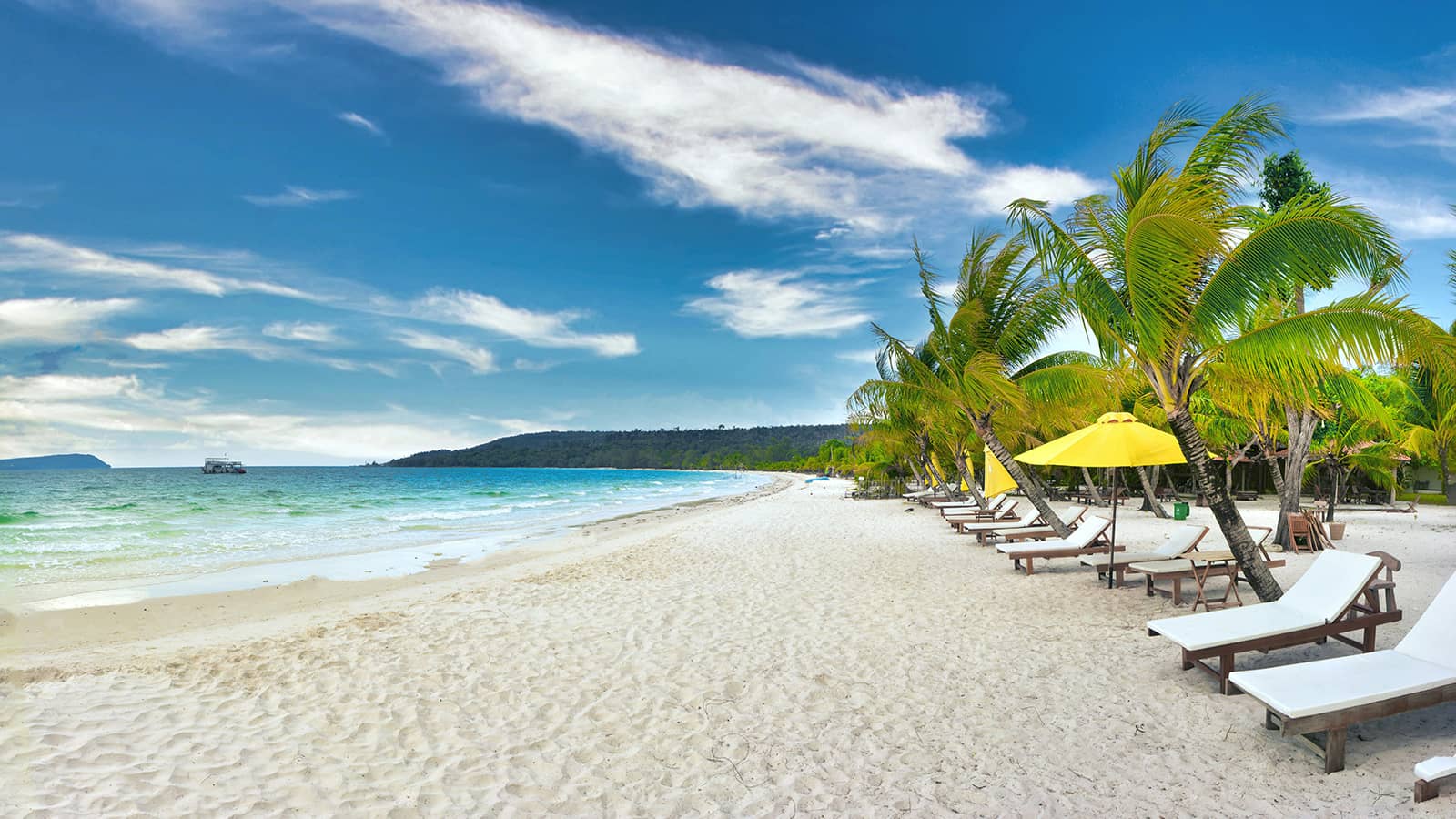
Koh Wai is small, with no cars and only a handful of simple resorts. Boats leave Bang Bao pier, and the crossing by speedboat takes about 30 to 45 minutes. A longtail takes longer but costs less.
The water around Koh Wai is clear enough to see coral from the pier. A short walk along the sand takes you past hammocks, fishing boats, and bungalows built right at the water’s edge. Snorkelling here is easy: you can wade in from the beach and see small reef fish within minutes. Koh Wai is also where a day trip feels complete. You can swim, eat lunch, and be back on Koh Chang before dark.
Koh Mak: Flat, Quiet and Made for Bikes
Koh Mak is almost the opposite of Koh Chang. It is flat, mostly privately owned, and covered in coconut and rubber plantations. There are no big resorts and no loud nightlife. People rent bicycles or small scooters and ride between beaches such as Ao Phrao, Ao Kao, and Ao Suan Yai.
The pace is slow. In the late afternoon, the smell of grilled squid and charcoal drifts from small beachside kitchens, and the sea turns pale orange. Koh Mak suits couples, families with small children, and anyone tired of busy beaches. Two nights is a good minimum, because the boat ride is long enough that a day trip would leave you tired.
Koh Kood: The Far Island Worth the Extra Boat
Koh Kood (also written Koh Kut) is the largest and most remote of the group, close to the Cambodian border. It has white-sand beaches, a quiet fishing village at Ao Salad, and freshwater waterfalls such as Khlong Chao. The road network is still limited, so scooters are the usual way to get around, though some roads are steep.
Koh Kood is not a day trip. Boats from Laem Sok pier on the mainland take roughly one to one and a half hours, and from Koh Chang you usually need a longer boat or a connection. Plan at least two or three nights. The reward is empty beaches and water that looks almost green-blue in the morning light.
Koh Rang and the Snorkelling Tours
If you want clear water and coral without changing hotels, book a snorkelling tour. These usually visit Koh Rang, Koh Yak, and other small islands in the marine park. A typical day includes three or four snorkelling stops, lunch on board or on a beach, and a stop at a quiet sandbar or cove.
Koh Rang is the highlight, with healthier coral and more fish than most beaches on Koh Chang itself. Tours leave from Bang Bao or other piers, and the full day runs from roughly 8:30 am to 4:30 pm. Choose a smaller boat if you can. Larger groups make the best spots crowded by midday.
Getting to Koh Chang and Between Islands in 2026
From Bangkok, the usual route is a bus from Ekkamai Eastern Bus Terminal or Mo Chit to Trat, which takes about 5 to 6 hours. Minivans are faster but less comfortable. Bangkok Airways also flies from Suvarnabhumi to Trat, a short flight that saves most of a day if you can afford it. From Trat town, a shared songthaew takes you to Laem Ngop, where ferries cross to Koh Chang in about 30 minutes.
For hopping between islands, ask your resort to book the boat. Official speedboats and ferries, including those to Koh Wai, Koh Mak, and Koh Kood, are safer and more reliable than informal offers. Check that life jackets are visible and that the boat is not overloaded. Once on Koh Chang, shared songthaews run along the main road, though you will need a taxi or scooter for quieter spots. Be careful on scooters here, as the hills and sharp bends cause many injuries each year.
Day Trip or Overnight?
Your time decides this more than your budget:
- Koh Wai: Works well as a day trip, though one night is pleasant if you want a quiet evening with no road noise.
- Koh Rang and the marine park: Always a day tour from Koh Chang, with no need to stay.
- Koh Mak: Better with at least one or two nights. A day trip means too much time in transit.
- Koh Kood: Needs two or three nights. The travel time makes it a poor fit for a single day.
If you only have a few days in the area, base on Koh Chang, do one snorkelling tour, and add Koh Wai. With a week or more, include Koh Mak or Koh Kood.
Where to Eat Across the Islands
On Koh Chang, Bang Bao fishing village has seafood restaurants on stilts over the water, where you choose fish and prawns from ice trays and they are grilled to order. Salak Phet, on the southeast side, is quieter and tends to be cheaper. Lonely Beach and Kai Bae have small cafés and Thai restaurants that suit lower budgets.
On Koh Wai, meals are usually served by your resort, and menus are short but fresh. On Koh Mak, small family restaurants near the main beaches serve pad kra pao, fried rice, and fish dishes, with fewer tourist menus than on the bigger islands. On Koh Kood, Ao Salad has seafood places where the catch comes in directly from nearby boats. Always ask the price of seafood by weight before ordering.
2026 Budget Reality
Prices rise in high season, from roughly November to February, and fall in the rainy months. These are typical ranges for 2026, per person per day unless noted:
- Budget: Fan bungalow at 500 to 900 THB per night, street food and simple meals at 60 to 120 THB each, shared songthaew or longtail boats. Roughly 1,000 to 1,800 THB per day.
- Mid-range: Air-conditioned bungalow or small resort at 1,500 to 3,000 THB per night, restaurant meals at 150 to 350 THB, scooter rental at 250 to 400 THB per day, and a snorkelling tour at 800 to 1,500 THB. Roughly 2,500 to 4,500 THB per day.
- Comfortable: Beachfront resort at 4,000 to 9,000 THB or more per night, seafood dinners at 400 to 900 THB, private speedboat transfers and longer tours. Roughly 6,000 to 12,000 THB per day.
The Koh Chang ferry costs roughly 80 to 120 THB per person each way, and island speedboats generally cost several hundred baht per leg. Marine park entrance fees are usually paid separately, so ask whether your tour includes them. Carry cash, as ATMs on smaller islands are few and sometimes empty.
Season and Sea Conditions
The best time is November to April, with calm seas and clear water. May to October is the rainy season. Boats to Koh Mak and Koh Kood can be cancelled in rough weather, and some resorts close for weeks. Visibility for snorkelling also drops, and some parts of the marine park may be restricted. If you travel in these months, keep your schedule flexible and avoid tight flights home on the same day as an island return.
Frequently Asked Questions
Which island near Koh Chang is best for a day trip?
Koh Wai is the best day trip. It is about 30 to 45 minutes by speedboat from Bang Bao, has clear water for easy snorkelling from the beach, and offers simple restaurants. You can leave Koh Chang in the morning and return comfortably before sunset without rushing.
How many days do you need for island hopping around Koh Chang?
Plan five to seven days for a relaxed trip. Spend two or three nights on Koh Chang, add a day trip to Koh Wai or a snorkelling tour to Koh Rang, then stay two nights on Koh Mak or Koh Kood. With only three days, stay on Koh Chang and do day trips.
Can you go from Koh Chang directly to Koh Kood?
Sometimes. In high season, some boats run between Koh Chang and Koh Mak or Koh Kood, but schedules change and are limited. Many travellers return to the mainland pier first. Ask your resort to confirm current departures and book your ticket in advance, especially outside November to February.
Is Koh Chang island hopping safe in the rainy season?
It can be, but conditions are less reliable. Heavy rain and strong waves lead to cancelled boats, especially to Koh Kood. Use licensed operators, check life jackets, and follow marine park warnings. Leave extra time before flights and consider day tours only on calm days.
Do you need cash on the smaller islands near Koh Chang?
Yes. Koh Wai, Koh Mak, and Koh Kood have few ATMs, and card payments are often unavailable at small restaurants, bike rentals, and bungalows. Withdraw enough baht on Koh Chang or in Trat before your boat. Carry small notes for tips, snacks, and short longtail rides.
📷 Featured image by Ruslan Valeev on Unsplash.