On this page
- What Makes Koh Lipe Different from Every Other Thai Island
- The Three Beaches (and Which One Is Actually For You)
- Snorkelling and Diving in the Tarutao Marine Park
- Where to Eat on Koh Lipe: From Walking Street to Beachside Tables
- Day Trip or Overnight? (Hint: You Need at Least Three Nights)
- Getting to Koh Lipe in 2026
- Getting Around the Island
- 2026 Budget Reality: What Koh Lipe Actually Costs
- Practical Tips Before You Go
- Frequently Asked Questions
💰 Click here to see Thailand Budget Breakdown
💰 Prices updated: October, 2026. Budget figures are estimates — always verify before travel.
Exchange Rate: $1 USD = ฿33.60
Daily Budget (per person)
Shoestring: ฿900.00 – ฿1,800.00 ($26.79 – $53.57)
Mid-range: ฿2,150.00 – ฿4,000.00 ($63.99 – $119.05)
Comfortable: ฿6,000.00 – ฿12,000.00 ($178.57 – $357.14)
Accommodation (per night)
Hostel/guesthouse: ฿90.00 – ฿750.00 ($2.68 – $22.32)
Mid-range hotel: ฿1,400.00 – ฿3,500.00 ($41.67 – $104.17)
Food (per meal)
Budget meal: ฿70.00 ($2.08)
Mid-range meal: ฿250.00 ($7.44)
Upscale meal: ฿1,000.00 ($29.76)
Transport
Single metro/bus trip: ฿30.00 ($0.89)
Monthly transport pass: ฿1,155.00 ($34.38)
Koh Lipe has a reputation problem — not because it’s bad, but because the word got out too fast. In 2026, visitor numbers have climbed again following the post-COVID recovery, and the island sits in a delicate spot: still genuinely beautiful, still small enough to walk across in 20 minutes, but busy enough that arriving without a plan can mean paying double for a mediocre room on the wrong beach. Get the timing and logistics right, and Koh Lipe genuinely earns the “Thailand’s Maldives” label people keep throwing at it.
What Makes Koh Lipe Different from Every Other Thai Island
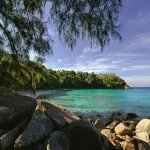
Koh Lipe sits inside Tarutao National Marine Park, one of the most protected marine environments in Southeast Asia. That status limits development in a meaningful way — no towering resorts, no sprawling malls, no jet-ski rental operators blasting music from a speaker the size of a small car. The island is about 4.5 kilometres long, the roads are almost nonexistent, and the sea is the kind of flat, translucent blue that makes Instagram filters feel redundant.
It also belongs to the Andaman Sea’s southern tip, just 5 kilometres from the Malaysian border. The water clarity here routinely beats more famous islands further north — visibility of 20 metres or more is normal during the dry season. The sand on Sunrise and Sunset beaches is powder-fine, the kind that squeaks faintly underfoot when it’s dry. Walking barefoot along the shoreline at low tide, with the water barely grazing your ankles and the outline of Koh Adang rising to the northwest, you understand immediately why people keep coming back.
The Three Beaches (and Which One Is Actually For You)
Most of the island’s character is split across three distinct beaches, each with a different personality.
- Sunrise Beach (Hat Phattaya) — The longest beach, running along the east coast. This is where most of the mid-range resorts and guesthouses cluster. The water is calmer in the morning and the snorkelling directly off the beach is decent. It’s the most social stretch, with beach bars appearing after dark.
- Sunset Beach (Hat Sai Ri) — Quieter, slightly less polished, and facing west for golden-hour views that are worth rearranging your dinner plans for. Accommodation here tends to be cheaper and more laid-back. The trade-off is a shorter stretch of swimmable water during low tide.
- Pattaya Beach — Confusingly named, but nothing like its mainland namesake. This is the main arrival and departure point, the most developed strip, and home to Walking Street. Good for eating and socialising; less ideal for quiet beach time.
The verdict: First-time visitors wanting the best balance of beach quality and social life should base themselves on Sunrise Beach. Return visitors who’ve already done the social circuit tend to migrate to Sunset Beach.
Snorkelling and Diving in the Tarutao Marine Park
The marine park surrounding Koh Lipe is one of the strongest arguments for visiting. The coral gardens off Koh Adang and Koh Rawi — both reachable by longtail boat in under 30 minutes — are among the healthiest in Thai waters. You’ll find leopard sharks resting on sandy floors, schools of batfish drifting through table coral, and sea turtles in numbers that feel almost generous.
For snorkellers, the shallow reef at Hin Ngam Beach on Koh Adang is the standout — a 10-minute boat ride and you’re hovering over hard coral in water so clear it barely feels like swimming. For divers, sites like Stonehenge and Eight Mile Rock offer wall dives and stronger currents that bring pelagic species into view during the right tide.
Several dive shops operate on Koh Lipe, most clustered near Pattaya Beach and along Walking Street. A two-dive day trip runs around 2,500–3,200 THB including equipment. Snorkel tours to the surrounding islands typically cost 600–900 THB per person for a half-day group trip.
Where to Eat on Koh Lipe: From Walking Street to Beachside Tables
Walking Street is the artery of island life — a narrow pedestrian lane that runs through the centre of the island connecting Pattaya Beach to Sunrise Beach. By evening it transforms into an open-air dining corridor where smoke from grills mixes with the smell of garlic frying in coconut oil. Squid on sticks, fresh fish priced by the 100 grams, pad thai cooked to order in blackened woks — the food quality here is genuinely good and far cheaper than beachside restaurant menus.
For a sit-down meal worth the price, Spaghetti House near Sunrise Beach has been serving Thai-Italian fusion longer than most current visitors have been planning trips, and the pesto pasta with local prawns is a reliable standout. Pooh’s Bar and Restaurant on Sunset Beach is the kind of low-key, thatched-roof spot where you eat grilled fish with your feet in the sand and watch the sky turn orange over Koh Adang — the grilled barracuda is excellent when it’s on the daily catch list.
Budget-conscious travellers should note that 7-Eleven has arrived on the island (as of 2025), which tells you something about Koh Lipe’s current development level. Fresh fruit stalls and basic Thai rice-and-curry shops still operate near the centre of the island at prices that feel almost anachronistically affordable — a plate of khao man gai runs around 60–80 THB.
Day Trip or Overnight? (Hint: You Need at Least Three Nights)
Koh Lipe is theoretically doable as a day trip from Pak Bara on the mainland — speedboats make the crossing in about an hour. In practice, anyone who does this sees almost nothing. You arrive, eat lunch, maybe snorkel for an hour, and then run back to the pier to catch the last boat. The island reveals itself slowly: the best snorkelling is on the surrounding islands, not Koh Lipe itself; the best meals happen at sunset; and the crowds thin dramatically in the late afternoon once the day-trippers leave.
Three nights minimum gives you one full day on the island itself, one day doing an island-hopping snorkel or dive trip, and a buffer for weather or simply doing nothing particularly useful. Five nights starts to feel like you actually live here, which is the ideal amount of time.
Getting to Koh Lipe in 2026
The island has no airport, so all access is by boat. The main gateway is Pak Bara Pier in Satun Province, roughly 100 kilometres from Hat Yai. From Bangkok, the practical options are:
- Fly to Hat Yai — AirAsia, Thai Lion Air, and Nok Air all run direct flights from Bangkok Suvarnabhumi and Don Mueang. Flight time is approximately 1 hour 20 minutes. From Hat Yai airport, minivans run directly to Pak Bara pier (around 250–300 THB, 2 hours). This is the fastest overall route.
- Overnight train to Hat Yai — Departs Bangkok Hua Lamphong or Bang Sue Grand Station in the evening, arrives Hat Yai the next morning. A second-class sleeper costs approximately 800–1,100 THB and is genuinely comfortable. From Hat Yai, connect by minivan to Pak Bara.
- Ferry from Langkawi, Malaysia — This cross-border route remains popular in 2026. Tigerline Ferry runs the service and it’s a straightforward 1.5-hour crossing. Useful if you’re entering Thailand from the south.
From Pak Bara, speedboats to Koh Lipe run from approximately November to mid-May during the dry season. The island essentially closes during the monsoon (roughly June to October), with no reliable boat services and most accommodation shuttered.
Getting Around the Island
There are no cars on Koh Lipe and no need for them. Walking Street connects the main beaches on foot in about 15 minutes. If you’re staying on Sunset Beach and need to get to the Pattaya Beach pier quickly, longtail water taxis run around the island’s coast — a short hop costs 50–100 THB per person. Motorbikes operate as informal taxis on the few dirt tracks that exist, charging 100–150 THB per short journey. The island is genuinely small enough that walking is almost always the right answer.
2026 Budget Reality: What Koh Lipe Actually Costs
Koh Lipe is not cheap by Thai island standards. The remoteness means everything is shipped in, and the national park status limits the accommodation supply, keeping prices elevated.
- Budget (backpacker dorms, fan rooms): 400–700 THB per night. Options are limited and fill fast in high season (December–February).
- Mid-range (air-conditioned bungalow, basic resort): 1,200–2,500 THB per night. This is the most common tier and covers most of the island’s guesthouses on Sunrise and Sunset beaches.
- Comfortable (beachfront resort, pool access): 3,500–7,500 THB per night. Idyll Beach Resort and Serendipity Beach Resort represent this tier.
- Daily food budget: 300–500 THB eating mainly from Walking Street and local spots. Eating at beachfront restaurants exclusively will push this to 800–1,200 THB.
- Activity budget: Allow 1,500–3,500 THB per person for a day of guided snorkelling or diving.
A realistic 3-night trip in the mid-range tier, including accommodation, food, one snorkel day trip, and boat transfers, runs approximately 12,000–18,000 THB per person.
Practical Tips Before You Go
- Season matters enormously. Peak season is December to February — best weather, best visibility, highest prices, most crowded. March to May is shoulder season with good weather and fewer people. June to October is monsoon: stay away.
- Cash is essential. ATMs exist on the island (near Walking Street) but charge high foreign transaction fees. Bring sufficient cash from Hat Yai or the mainland — most small restaurants and guesthouses still prefer it in 2026.
- National park fee. All visitors must pay the Tarutao National Marine Park entrance fee upon arrival — currently 500 THB for foreigners, 100 THB for Thai nationals. This is collected at the pier.
- Sunscreen rules. The marine park prohibits chemical sunscreens near the reef. Bring reef-safe mineral sunscreen from home — options on the island are limited and expensive.
- Electricity and water. Koh Lipe generates its own power and manages its own water supply. Outages are rare now compared to five years ago, but they still happen. A small power bank is worth having.
Frequently Asked Questions
When is the best time to visit Koh Lipe?
December to February offers the most reliable weather and underwater visibility of 15–25 metres. March and April are worth considering if you want fewer crowds. The island shuts down almost entirely from June through October due to the southwest monsoon, with boat services suspended and most businesses closed.
How long does it take to get to Koh Lipe from Bangkok?
Flying to Hat Yai takes about 1 hour 20 minutes, then a 2-hour minivan to Pak Bara pier, then a 1-hour speedboat to Koh Lipe. Total travel time is approximately 5–6 hours door to pier. Add another hour for check-in, waiting, and the boat ride itself. Budget a full travel day from Bangkok.
Is Koh Lipe suitable for families with young children?
Generally yes, with some caveats. Sunrise Beach has calm, shallow water ideal for young swimmers. The island has no traffic, which makes it safe to walk around. However, the journey is long and the island lacks the infrastructure of more developed destinations. Families tend to do best with kids aged 6 and older who can handle the travel.
Do I need a visa to visit Koh Lipe if I’m arriving from Malaysia?
Most nationalities receive a visa exemption for Thailand, allowing stays of 30–60 days depending on nationality. In 2026, the exemption period for many Western passport holders remains 60 days. If you’re arriving via the Langkawi ferry, standard Thai immigration procedures apply at the Koh Lipe immigration checkpoint. Confirm current rules with the Thai embassy for your specific passport before travel.
Can I use a credit card on Koh Lipe?
Larger resorts and some dive operators accept card payments, but most restaurants, street food stalls, longtail taxi operators, and smaller guesthouses are cash only. ATMs on the island charge fees of around 220 THB per foreign withdrawal on top of your home bank’s charges. Bring more cash than you think you need from the mainland.
📷 Featured image by Peter Borter on Unsplash.