On this page
- Where to Stay Without Overpaying
- Getting to Krabi Cheaply
- Getting Around Krabi on the Cheap
- Eating Well for Less in Krabi
- Free and Low-Cost Attractions
- Island-Hopping Without the Premium
- Budget Day Trips from Krabi Town
- Nightlife on a Budget
- Shopping Smart in Krabi
- 2026 Budget Breakdown
- Practical Cost-Cutting Tips for 2026
- Frequently Asked Questions
💰 Click here to see Thailand Budget Breakdown
💰 Prices updated: October, 2026. Budget figures are estimates — always verify before travel.
Exchange Rate: $1 USD = ฿33.60
Daily Budget (per person)
Shoestring: ฿900.00 – ฿1,800.00 ($26.79 – $53.57)
Mid-range: ฿2,150.00 – ฿4,000.00 ($63.99 – $119.05)
Comfortable: ฿6,000.00 – ฿12,000.00 ($178.57 – $357.14)
Accommodation (per night)
Hostel/guesthouse: ฿90.00 – ฿750.00 ($2.68 – $22.32)
Mid-range hotel: ฿1,400.00 – ฿3,500.00 ($41.67 – $104.17)
Food (per meal)
Budget meal: ฿70.00 ($2.08)
Mid-range meal: ฿250.00 ($7.44)
Upscale meal: ฿1,000.00 ($29.76)
Transport
Single metro/bus trip: ฿30.00 ($0.89)
Monthly transport pass: ฿1,155.00 ($34.38)
Krabi has a reputation problem in 2026. A decade of Instagram exposure turned it from a backpacker haven into one of Thailand‘s most photographed destinations — and prices followed. Tour operators have consolidated. Ferry routes now come with “environmental fees.” Accommodation in Ao Nang can hit 3,000 THB a night for a basic room in peak season. But the bones of affordable Krabi are still very much intact if you know where to look and what to avoid. This guide cuts through the tourist pricing and shows you exactly how to experience Krabi’s limestone cliffs, emerald water, and jungle interior without burning through your money in a week.
Where to Stay Without Overpaying
The single biggest budget decision in Krabi is where you base yourself. Most first-timers default to Ao Nang — it’s convenient, walkable, and close to boat piers. But it’s also the most expensive strip in the province. Krabi Town, just 20 minutes east by songthaew, runs 30 to 50 percent cheaper for equivalent rooms and is genuinely more interesting to walk around at night.
Krabi Town
This is the budget traveler’s home base. Guesthouses around Chao Fa Road and near the night market charge 350–600 THB per night for a basic fan room with private bathroom. Mid-range guesthouses with air-con and reliable Wi-Fi fall in the 700–1,100 THB range. A cluster of well-reviewed hostels near the waterfront offer dorm beds for 220–350 THB. The town has a real community feel — morning food markets, local coffee shops, and a riverside walkway that feels nothing like a resort strip.
Ao Nang
If you must stay in Ao Nang for beach proximity, look for guesthouses on the streets one or two blocks back from the main beach road. Budget rooms exist in the 700–1,200 THB range but they book out fast between November and March. Staying here in shoulder season (April, May, October) drops prices significantly and beach crowds thin out considerably.
Railay and Ko Phi Phi
Railay is car-free and beautiful but it’s not a budget destination — you’re paying for the geography. The cheapest bungalows on Railay East start around 1,200 THB in low season. Ko Phi Phi accommodation has crept even higher since 2024 capacity regulations came into effect. If budget is the priority, visit these places on day trips rather than staying overnight.
Getting to Krabi Cheaply
Krabi International Airport receives direct flights from Bangkok (both Suvarnabhumi and Don Mueang), Chiang Mai, and several regional hubs. AirAsia and Nok Air remain the budget options out of Don Mueang, with fares as low as 900–1,800 THB one-way if you book six to eight weeks ahead and travel outside peak windows (avoid the Christmas–New Year stretch and Songkran week entirely if price matters).
In 2026, Thai Lion Air expanded its Krabi routes, adding more morning departures from Don Mueang that open up same-day island access without needing an overnight. Watch for flash sales through their app — 599 THB base fares occasionally appear for mid-week travel in May and June.
If you’re coming from Bangkok by land and have time, the overnight bus from Bangkok’s Southern Bus Terminal (Sai Tai Mai) to Krabi Town takes around 12 hours and costs 600–850 THB depending on the operator and seat class. It’s not comfortable, but it saves a night’s accommodation. Combined train-and-ferry routes via Surat Thani are slower but scenic — train to Surat Thani from Hua Lamphong or Thonburi, then a connecting bus or minivan to Krabi Town, totaling 500–750 THB and roughly 14–16 hours.
Once you land at Krabi Airport, do not take a private taxi without checking the fixed-rate board first. Shared minivans to Krabi Town run 150 THB per person. To Ao Nang it’s around 180 THB shared. Solo taxis charge 500–700 THB for the same routes. The shared van desk is immediately outside arrivals — ignore the private transfer touts who approach you first.
Getting Around Krabi on the Cheap
Krabi’s geography works against cheap transport. The places worth visiting — beaches, islands, caves — are spread out, and the province has no public rail network. But with the right combination of options, you can move around well without paying resort shuttle prices.
Songthaews (red pickup trucks with bench seats in the back) run fixed routes between Krabi Town and Ao Nang for 50–80 THB per person. They run frequently between 7am and 6pm. After dark, they become negotiated charters and prices jump substantially.
Motorbike rental is the most flexible budget option on the mainland. Shops in both Krabi Town and Ao Nang rent 125cc automatics for 200–300 THB per day. Fuel is cheap. This opens up the hot springs, Tiger Cave Temple, Thung Teao Forest, and Shell Cemetery without paying for tours. Make sure your travel insurance covers motorbike riding — most standard policies don’t unless you specifically add it.
Long-tail boats are unavoidable for reaching Railay and some beaches. From Ao Nang pier, the short-haul boats to Railay West cost 100–120 THB per person when they fill up. If you try to charter one alone, the price jumps to 800–1,200 THB. Wait for the boat to fill — it takes 10 to 20 minutes in peak season.
Grab operates in Krabi Town and Ao Nang as of 2026, though coverage thins out in the evenings and the app sometimes struggles to find drivers outside central areas. When it works, it’s significantly cheaper than negotiated tuk-tuks.
Eating Well for Less in Krabi
Krabi Town’s night market on Khong Kha Road — set up along the riverside three evenings a week (Friday, Saturday, Sunday) — is the single best value eating experience in the province. Grilled corn, pad Thai, mango sticky rice, fresh coconut, and barbecued skewers all at 30–60 THB per item. The smell of charcoal and galangal hangs in the warm evening air as locals and travelers crowd the same plastic stools along the waterfront. Don’t miss the boat noodle stall near the northern end — 45 THB a bowl, and it’s been there since before the tourist rush.
For daily eating in Krabi Town, the morning market on Maharaj Road runs from 6am and sells khao tom (rice porridge), pa thong ko (fried dough), and fresh-cut fruit for under 50 THB per item. A proper Thai breakfast here — porridge, eggs, and Thai tea — rarely exceeds 100 THB total.
In Ao Nang, eating on the main beach road means paying tourist prices: 180–350 THB for pasta and pizza, 150–250 THB for Thai mains. Walk one block inland and prices drop noticeably. Look for the shophouse restaurants with Thai-language signs and laminated menus — these serve the staff and locals who work in the tourist strip and charge 60–120 THB for rice dishes and curries.
Avoid buying packaged snacks and water at beach-adjacent shops — they mark up aggressively. Stock up at the Tesco Lotus or Makro in Krabi Town before heading to Ao Nang. A 1.5-litre water bottle costs 10 THB at a 7-Eleven in town versus 30–40 THB from a beach vendor.
Free and Low-Cost Attractions
Krabi’s best assets — its beaches and natural landscape — are largely free to access. The key is knowing which ones require boat charters (expensive) and which you can reach by foot or cheap transport.
Nopparat Thara Beach sits just west of Ao Nang and is reachable by songthaew or a 30-minute walk along the coast. It’s a long, relatively uncrowded stretch of sand with mangroves at one end and no entry fee. At low tide you can wade to small islands offshore. Early morning here — before 8am — the light turns the water a pale, translucent green and the limestone karsts emerge from mist like they’re being slowly painted in.
Ao Nang Beach itself is free. Bring your own drinks and snacks and you’ve spent nothing on a half-day at the beach.
Susan Hoi (Shell Cemetery) is a 75-million-year-old fossil beach, reachable by songthaew or motorbike. Entry is 100 THB.
Wat Tham Seua (Tiger Cave Temple) is free to enter. The 1,237-step climb to the summit is one of the genuinely rewarding physical experiences in southern Thailand — the view across flat jungle to limestone karsts and distant sea is worth every step. Go before 8am to beat the heat and the tour groups.
Thung Teao Forest Natural Park (Crystal Pool / Emerald Pool) charges 200 THB entry for foreigners as of 2026. It’s a manageable cost for what is genuinely a stunning turquoise thermal pool inside lowland forest — worth it.
Island-Hopping Without the Premium
The island day-trip industry in Krabi operates on significant markup. A standard “Four Islands Tour” booked through an Ao Nang guesthouse costs 1,200–1,800 THB per person including lunch. You can construct a version of this yourself for considerably less.
The Ao Nang Princess Ferry to Ko Phi Phi runs twice daily and costs 350–400 THB one-way. A round-trip costs 700–800 THB and puts you on Ko Phi Phi for a full day. Bring your own lunch or eat at the cheaper restaurants one street back from the main pier. This is substantially cheaper than any organized island tour that includes Ko Phi Phi.
For Ko Lanta, a ferry from Krabi Town pier runs in high season (roughly November to April) for around 400–500 THB one-way. Alternatively, a public ferry from the Ban Hua Hin pier in Krabi costs 250 THB. Ko Lanta suits an overnight visit better than a day trip — it’s long and spread out — and guesthouses on the west coast start around 600–900 THB for a basic bungalow in low season.
Railay Beach, despite its dramatic setting, is essentially a 10-minute long-tail boat ride from Ao Nang (100–120 THB per person). You don’t need to stay overnight to experience it. Arrive by 9am before the day-trip crowds and you’ll have the dramatic East Railay lagoon walk largely to yourself.
Budget Day Trips from Krabi Town
The mainland around Krabi Town offers several rewarding day trips that most tour packages overlook in favor of boat excursions — and they’re significantly cheaper.
Tiger Cave Temple and Krabi Town loop — rent a motorbike, hit the temple at dawn, then explore the Maharaj Road market for breakfast. Half-day, under 300 THB total including fuel and food.
Khao Phanom Bencha National Park — 25 kilometres north of Krabi Town, entry 200 THB. Jungle waterfalls, hornbills, and almost no tourists. Best in the early wet season (June–August) when the falls run full. Reachable by motorbike in 35 minutes.
Krabi Hot Springs and Emerald Pool combo — both sites sit within Khlong Thom district about 45 kilometres southeast of Krabi Town. The natural hot spring creek (entry 100 THB) feeds into cooler pools downstream. Combine with the Emerald Pool (200 THB) in one day by motorbike or organized minivan tour (500–700 THB from most guesthouses, which is reasonable for the distance).
Ban Bao Khlong Ferry community — a rarely visited mangrove community south of Krabi Town accessible by a short local boat. A working village with no entry fee, a small temple, and seafood restaurants charging local prices. Ask at your guesthouse about the local boat timing.
Nightlife on a Budget
Krabi’s nightlife is low-key compared to Phuket or Ko Samui — which makes it easier on the wallet. Ao Nang has a small strip of bars along the beach road with happy hours running 4–7pm offering beer at 70–90 THB. Buckets of spirits and mixers are 200–300 THB and shared between two people are reasonably cheap.
Krabi Town’s Friday–Sunday night market doubles as a social event — families, young Thais, and travelers all mix on the riverside. It’s free to attend and the food and drinks available make it a legitimate evening activity for under 200 THB per person.
The occasional beach bonfire on Ao Nang or Nopparat Thara, usually organized informally by hostels and guesthouses, happens throughout the year in shoulder and low season. Ask at your accommodation — these are typically free or involve a shared drink contribution.
Avoid the overpriced cocktail bars on Railay unless you’ve budgeted for a treat — drinks there run 200–350 THB for a cocktail because everything arrives by boat.
Shopping Smart in Krabi
The main street market in Krabi Town along Uttarakit Road has the best prices for sarongs, beach bags, elephant pants, and the usual Thai souvenir range — typically 30 to 50 percent cheaper than Ao Nang shops selling identical items. Bargaining is expected but do it respectfully: open at 60–70 percent of the asking price and settle somewhere in between.
Ao Nang’s night market (daily, on the walking street off the main beach road) has reasonable prices on clothing, handmade jewelry, and local snacks. Avoid buying anything electronically packaged here — phone chargers, sunscreen, and similar items are sold at premium tourist markup.
For genuine local goods — packaged dried seafood, local cashews, coconut oil products — the fresh market in Krabi Town (Talat Kao, on Sukhon Road) has the best quality and fairest prices. This is where local families shop, not tourists, so pricing reflects that.
2026 Budget Breakdown
Here’s what a realistic daily budget looks like in Krabi in 2026, based on basing yourself in Krabi Town for accommodation and using local transport.
Budget Traveler — 900–1,400 THB per day
- Hostel dorm or basic fan guesthouse: 250–450 THB
- Meals (3 meals at local markets and food stalls): 200–300 THB
- Transport (songthaew, motorbike fuel): 150–250 THB
- One paid attraction or beach entry: 100–200 THB
- Water, snacks, sundries: 100–150 THB
Mid-Range Traveler — 2,000–3,500 THB per day
- Air-con guesthouse or budget hotel: 800–1,400 THB
- Mix of local and sit-down restaurant meals: 400–600 THB
- Grab, motorbike rental, or occasional boat: 300–500 THB
- Day activity or island trip: 400–700 THB
- Drinks and incidentals: 200–400 THB
Comfortable Traveler — 4,500–7,000+ THB per day
- Mid-range hotel in Ao Nang with pool: 2,000–3,500 THB
- Restaurant dining with drinks: 800–1,500 THB
- Private longtail or organized tours: 800–1,500 THB
- Shopping and extras: 500–1,000 THB
Island fees, national park entries, and the new 2026 “marine conservation contribution” of 100 THB per person (collected at certain boat piers for designated marine zones) add small per-day costs that are easy to overlook when budgeting. Factor in 200–300 THB per day as a buffer for these.
Practical Cost-Cutting Tips for 2026
Travel in May, June, or early October. These shoulder months offer genuine value — accommodation drops 25–40 percent from peak rates, and most attractions remain open. The wet season’s reputation is overstated for Krabi; rain typically comes in afternoon bursts, leaving mornings clear for beaches and activities.
Book accommodation directly. In 2026, several Krabi Town guesthouses openly discount 10–15 percent for direct bookings (walk-in or WhatsApp) versus OTA platforms, because they avoid commission fees. OTAs are useful for comparison but always ask if they’ll match or beat the price directly.
Avoid December 20 to January 5 entirely if budget is your priority. This is the most expensive two weeks of the Krabi year — accommodation rates double or triple, ferries fill up weeks in advance, and every tour price jumps. The weather is excellent but the value is not.
The new TAT tourist fee discussion: Thailand’s proposed general tourist entry fee has been debated since 2023. As of mid-2026, no nationwide tourist levy has been implemented for land and air arrivals, though marine conservation fees at specific sites are now collected at the pier level. Stay updated through official TAT channels before your trip.
Use a no-foreign-transaction-fee debit card at ATMs rather than exchanging cash at the airport. Krabi Airport’s exchange counters offer poor rates. ATMs in Krabi Town charge a 220 THB flat fee per withdrawal (standard across Thailand in 2026) — withdraw larger amounts less frequently to minimize this cost.
Frequently Asked Questions
How much money do I need per day in Krabi in 2026?
A genuine budget traveler staying in a hostel dorm, eating at local markets, and using songthaews can manage on 900–1,200 THB per day. Mid-range travelers with a private air-con room and a mix of local and restaurant meals should budget 2,500–3,500 THB. These figures exclude boat trips and island entry fees, which add 300–700 THB on excursion days.
Is Krabi Town or Ao Nang better for budget travelers?
Krabi Town is consistently cheaper — accommodation, food, and transport all run lower than Ao Nang. It’s 20 minutes from Ao Nang by songthaew (50–80 THB), so beach access isn’t sacrificed. The town also has better local food markets and a riverside night market three evenings a week.
What is the cheapest way to get from Bangkok to Krabi?
The overnight bus from Bangkok’s Southern Bus Terminal costs 600–850 THB and takes around 12 hours — the cheapest option if you’re comfortable with overnight travel. Budget flights from Don Mueang with AirAsia or Thai Lion Air booked six to eight weeks ahead can be found for 900–1,500 THB one-way, making flying competitive once you factor in a saved night of accommodation.
Are there free beaches in Krabi?
Yes — Ao Nang Beach, Nopparat Thara Beach, and most mainland beaches in Krabi are free to access. Some island beaches accessed via national park zones charge 200–400 THB entry for foreign visitors. Railay Beach is technically free to visit but requires a 100–120 THB long-tail boat ride each way from Ao Nang pier.
When is the cheapest time to visit Krabi?
May, June, and early October offer the best value. Accommodation rates drop 25–40 percent from peak season, and most attractions and ferry routes still operate normally. Afternoon rain showers are common but mornings are typically clear and suitable for beaches and outdoor activities.
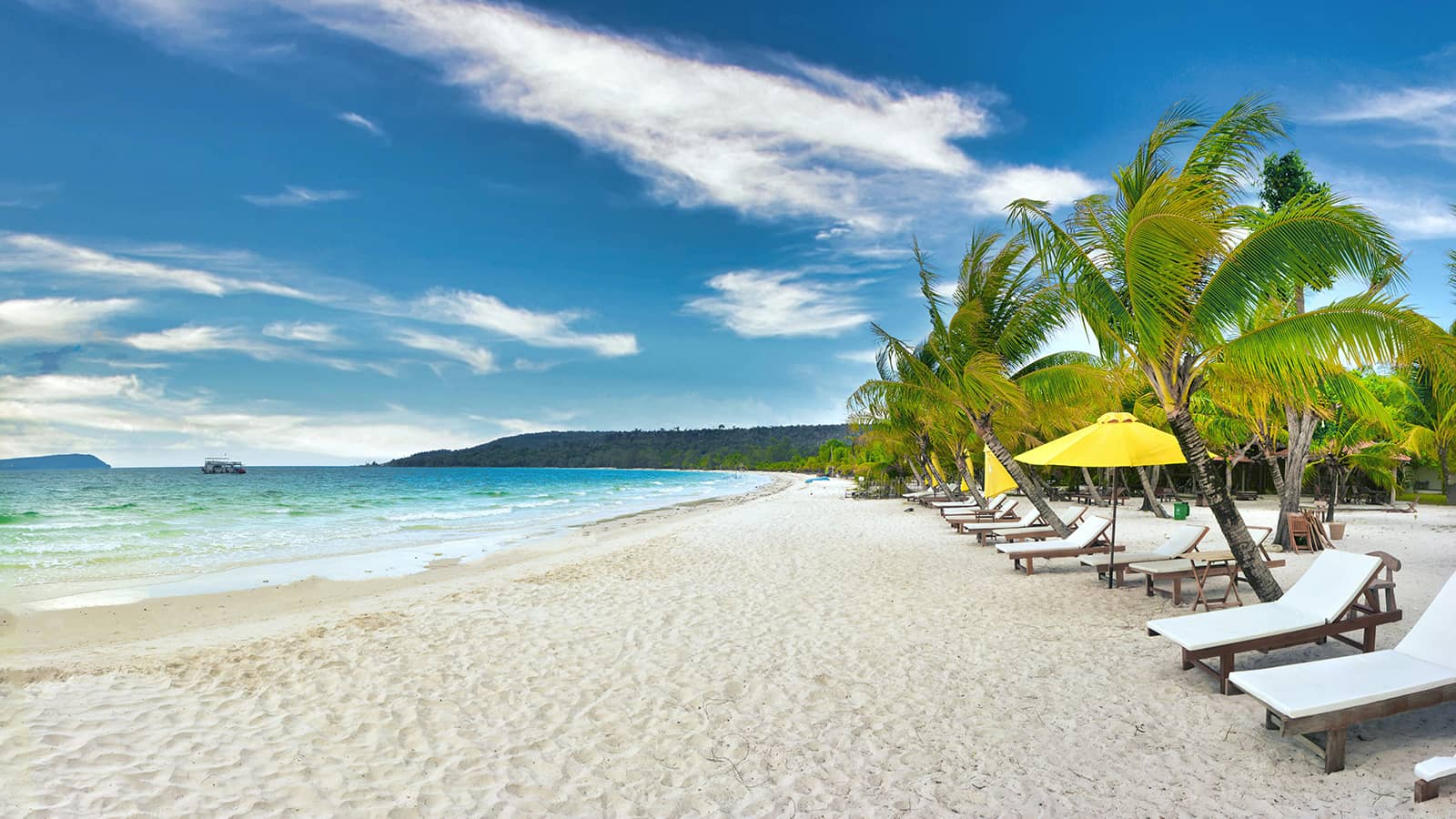
📷 Featured image by Margo Evardson on Unsplash.