On this page
- The Classic North — Doi Inthanon & the Highland Villages
- River Culture — Ping River Valley & Lamphun Day Trip
- Elephant Ethics — Choosing a Sanctuary That Actually Protects
- Chiang Rai Circuit — Temples, Tea Hills & the Golden Triangle
- Jungle Adrenaline — Ziplining, Whitewater & Mae Wang Valley
- Ancient Kingdoms — Wiang Kum Kam & Lampang’s Horse Carts
- Doi Suthep Beyond the Temple — Forest Trails & Hmong Markets
- 2026 Budget Reality — What Each Excursion Actually Costs
- How to Get Around — Transport Logic for Day Trippers in 2026
- Frequently Asked Questions
💰 Click here to see Thailand Budget Breakdown
💰 Prices updated: October, 2026. Budget figures are estimates — always verify before travel.
Exchange Rate: $1 USD = ฿33.60
Daily Budget (per person)
Shoestring: ฿900.00 – ฿1,800.00 ($26.79 – $53.57)
Mid-range: ฿2,150.00 – ฿4,000.00 ($63.99 – $119.05)
Comfortable: ฿6,000.00 – ฿12,000.00 ($178.57 – $357.14)
Accommodation (per night)
Hostel/guesthouse: ฿90.00 – ฿750.00 ($2.68 – $22.32)
Mid-range hotel: ฿1,400.00 – ฿3,500.00 ($41.67 – $104.17)
Food (per meal)
Budget meal: ฿70.00 ($2.08)
Mid-range meal: ฿250.00 ($7.44)
Upscale meal: ฿1,000.00 ($29.76)
Transport
Single metro/bus trip: ฿30.00 ($0.89)
Monthly transport pass: ฿1,155.00 ($34.38)
Chiang Mai‘s popularity hasn’t faded — if anything, the city hit peak-tourist pressure in 2025 and 2026 brought stricter entry limits to several sites, new booking requirements for elephant sanctuaries, and rising songthaew prices across the board. If you’re planning excursions from the city now, going in without a plan means arriving at a sold-out sanctuary or sitting in minivan traffic on the single road up to Doi Inthanon. The good news: spread your days right and the north of Thailand still delivers experiences the rest of the country simply can’t match.
The Classic North — Doi Inthanon & the Highland Villages
Thailand’s highest peak sits about 90 kilometres southwest of Chiang Mai and on a clear morning, the air at the summit drops to around 7–10°C — cool enough that you can see your breath, a jarring contrast to the city’s heat. Doi Inthanon National Park wraps the mountain in dense cloud forest, rhododendron groves, and over 360 species of birds. Most visitors come for the twin Royal Chedis at kilometre 42, which glow a creamy white against the tree line, but the real draw for the unhurried traveler is the Karen and Hmong villages scattered along the route.
At the village of Ban Nong Hoi, terraced strawberry and flower farms cover the hillsides in geometric patches of pink and green. The smell of wood smoke from morning cooking fires drifts through the terraces even at 9 a.m. Plan for a full day — the park entrance fee is 300 THB for foreigners and the drive from Chiang Mai to the summit takes about two hours. Most organised tours depart by 6:30 a.m. to beat the coach groups.
River Culture — Ping River Valley & Lamphun Day Trip
The Ping River runs south from Chiang Mai toward Lamphun, and the 26-kilometre drive along Route 106 passes through some of the quietest scenery in the province — wooden stilt houses, temple grounds shaded by ancient raintrees, and roadside vendors selling longan fruit by the kilogram. Lamphun itself is one of Thailand’s most overlooked day trips, partly because it takes only 45 minutes to reach by local bus from Chiang Mai’s Arcade Bus Terminal for about 30 THB.
The centrepiece is Wat Phra That Hariphunchai, a 9th-century temple whose layered golden chedi rises above the old moat town like a lighthouse above water. Unlike Chiang Mai’s more trafficked temples, Hariphunchai still functions as a working monastery with minimal tourist infrastructure — no entrance booths, no queuing ropes. Combine it with the Lamphun National Museum and lunch at one of the shophouse restaurants on Inthayongyot Road for a genuinely low-key day out.

Elephant Ethics — Choosing a Sanctuary That Actually Protects
By 2026, Chiang Mai has over 30 venues marketing themselves as elephant “sanctuaries.” The word means almost nothing without verification. The key distinction: ethical operations do not offer riding, do not use bullhooks, and limit visitor numbers per herd to avoid stress. The Elephant Nature Park in the Mae Taeng Valley remains the most established and transparent operation — it publishes herd health data and has a strict cap on daily visitors. Booking at least three weeks in advance is now standard, especially November through February.
Smaller operations like Elephant Haven and Mahout Elephant Foundation offer half-day programmes that feel less crowded. What to look for when comparing: Do the elephants have space to roam between visits? Is there a no-touch policy during feeding? Are mahouts (handlers) paid fair wages documented publicly? These questions cut through the marketing quickly. A full-day ethical sanctuary visit typically runs 2,500–3,500 THB including transport from Chiang Mai.
Chiang Rai Circuit — Temples, Tea Hills & the Golden Triangle
Chiang Rai is 180 kilometres north of Chiang Mai — too far for a comfortable self-drive day trip, but the minivan connection from Chang Phueak Bus Terminal runs frequently and costs around 150–180 THB one way. Many travelers treat it as a single overnight, but a dedicated day circuit is doable if you leave by 6 a.m. The White Temple (Wat Rong Khun) is the obvious anchor — its mirrored exterior catches the morning light in a way that no photograph fully captures, the thousands of reflective tiles turning the whole structure into something that pulses rather than simply stands still.
Beyond Rong Khun, the Doi Mae Salong tea hills northwest of Chiang Rai offer a completely different texture: cool, misty slopes planted with oolong and green tea by Yunnanese settlers whose descendants still run the guesthouses and tea shops along the ridge road. The Golden Triangle viewpoint at Sop Ruak, where Thailand, Myanmar, and Laos meet at the Mekong, rounds out a long day with river scenery and a historical weight that the tourist shops around it can’t quite diminish.

Jungle Adrenaline — Ziplining, Whitewater & Mae Wang Valley
The Mae Wang Valley, about 58 kilometres southwest of Chiang Mai, is where the adventure tourism industry has quietly migrated as Doi Inthanon got busier. The terrain here is steeper and the river faster — Mae Wang rapids run grade 2–3 depending on season, with the best water levels from August through October. Several operators run half-day rafting packages starting at 800 THB including transport.
For ziplining, Flight of the Gibbon’s Chiang Mai course operates in the forest near Mae Kampong village to the east of the city, with platforms set high enough in the canopy that you hear the forest before you see it — a deep rustling and the occasional call from the resident white-cheeked gibbons that the operation helps fund. The 3-hour course runs 2,999 THB in 2026. Mae Kampong village itself is worth extra time: a cool-climate community of wooden houses, coffee gardens, and hot spring streams where locals soak in the evenings.
Ancient Kingdoms — Wiang Kum Kam & Lampang’s Horse Carts
Most visitors to Chiang Mai don’t realise the city sits near the ruins of an even older settlement. Wiang Kum Kam, just 5 kilometres south of the old city moat, was the original capital of the Lanna Kingdom before flooding forced its abandonment in the 14th century. Today, more than 20 temple ruins are spread across what looks like a quiet residential neighbourhood. You can hire a samlor (a three-wheeled bicycle cart) at the main entrance for around 100 THB to loop the ruins at a pace that lets you actually look rather than rush.
Lampang, 100 kilometres southeast, takes that ancient-city atmosphere and adds a colonial-era layer — it’s the only city in Thailand where horse-drawn carriages still operate as genuine transport (not just tourist rides). The horses wear flower garlands and the drivers wear traditional Lanna tunics. A carriage circuit of Lampang’s old town costs around 200–400 THB and passes riverside temples, teak merchant houses, and the Burmese-influenced Wat Phra That Lampang Luang just outside town, whose 15th-century wooden viharn is one of the oldest surviving wooden structures in Southeast Asia.
Doi Suthep Beyond the Temple — Forest Trails & Hmong Markets
Doi Suthep temple, visible from the city on a clear day, is Chiang Mai’s most visited single site. What most visitors miss is that the temple sits inside Doi Suthep-Pui National Park, and trails run from just behind the temple car park into forest that within 20 minutes feels genuinely remote. The Monk’s Trail — a forest path that climbs from Wat Pha Lat halfway up the mountain — takes about 1.5 hours upward and offers a quieter alternative to the cable car crowds.

Above the temple, the Hmong village of Ban Doi Pui operates a market where embroidered textiles, silver jewellery, and hill tribe crafts are sold directly by the community. Prices here are negotiable and the quality is higher than most Old City souvenir shops. The park entrance fee is 200 THB for foreigners; songthaews from the moat area run the route for about 50–80 THB per person shared.
2026 Budget Reality — What Each Excursion Actually Costs
Prices have shifted noticeably since 2024, with fuel surcharges now built into most tour packages and national park fees increased across several sites in late 2025. Here’s a realistic breakdown for 2026:
- Budget (under 800 THB): Lamphun by local bus (30–60 THB), Wiang Kum Kam by Grab or songthaew (150–200 THB return plus 100 THB samlor), Doi Suthep via shared songthaew (50–80 THB each way, 200 THB park entry). Self-organised days using public transport keep costs well under 500 THB.
- Mid-range (800–2,500 THB): Organised minivan tours to Doi Inthanon (1,200–1,800 THB including lunch and park fee), Mae Wang rafting half-day (800–1,200 THB), Chiang Rai day minivan plus temple entry (600–900 THB transport, plus 100–200 THB entry fees).
- Comfortable (2,500 THB and above): Ethical elephant sanctuary full day (2,500–3,500 THB), Flight of the Gibbon zipline (2,999 THB), private driver for a Lampang circuit (2,000–3,500 THB for the vehicle).
Accommodation, meals, and incidentals are separate. A street lunch in Lamphun or Lampang typically runs 60–100 THB per person.
How to Get Around — Transport Logic for Day Trippers in 2026
Chiang Mai has no BTS or MRT. The 2026 light rail project, long discussed, remains in planning stages. That means day trips still depend on four realistic options: shared songthaews (red trucks), private Grab cars, chartered minivans, or renting your own vehicle.
Grab operates reliably within Chiang Mai city and for shorter trips like Doi Suthep or Wiang Kum Kam. For destinations over 50 kilometres, chartering through an agency or booking an organised minivan tour is both cheaper and easier than Grab’s long-distance pricing. Renting a motorbike (250–400 THB per day from shops near Tha Phae Gate) is still the most flexible option for confident riders — the road to Lamphun and the Doi Suthep approach are both manageable. For Doi Inthanon or Chiang Rai, a minivan tour remains the practical choice unless you’re comfortable with a 3–4 hour highway drive each way. International driving permits are required for rental cars and are now routinely checked at police checkpoints on the northern highway routes.

Frequently Asked Questions
How many excursions can I realistically do from Chiang Mai in one week?
Four to five full-day excursions in a week is comfortable without exhausting yourself. Space them with rest days in the city or half-day activities. Combining nearby sites — like Lamphun and Wiang Kum Kam in one day — is possible if you start before 8 a.m. and move efficiently.
Is it safe to rent a motorbike for day trips from Chiang Mai in 2026?
For experienced riders, yes. The roads to Doi Suthep and Lamphun are well-paved and manageable. Mountain routes to Doi Inthanon or Mae Wang involve steep curves and occasional fog — these require genuine riding confidence. Helmets are mandatory and checkpoints enforce it. Ensure your travel insurance covers motorbike riding explicitly.
What’s the best month to do Chiang Mai excursions?
November through February offers the coolest temperatures and clearest skies — ideal for highland trips. March and April bring haze from agricultural burning, which limits mountain views significantly. The wet season (June–October) turns waterfalls on and makes rafting viable, though some hiking trails close after heavy rain.
Do I need to book Chiang Rai and Doi Inthanon trips in advance?
For elephant sanctuaries and ziplining, advance booking is essential — often weeks ahead during peak season. For Doi Inthanon and Chiang Rai minivan tours, booking 2–3 days ahead is usually sufficient outside of December–January. Walk-in availability drops sharply during the Chiang Mai Flower Festival in early February.
Are the excursion prices listed inclusive of food and park entry?
Organised tour prices from reputable operators usually include transport, park entry fees, and lunch. Always confirm in writing before paying. Self-organised trips require you to budget separately for each element — national park fees (200–300 THB), food (100–200 THB per meal), and any local site fees. Hidden charges are rare but do occur at private attractions.
Explore more
Chiang Mai Old City Guide: Exploring Temples, Markets & History
Chiang Mai Night Bazaar: Your Essential Guide to Bargains, Bites & Souvenirs
20 Unforgettable Things to Do in Chiang Mai for First-Time Visitors
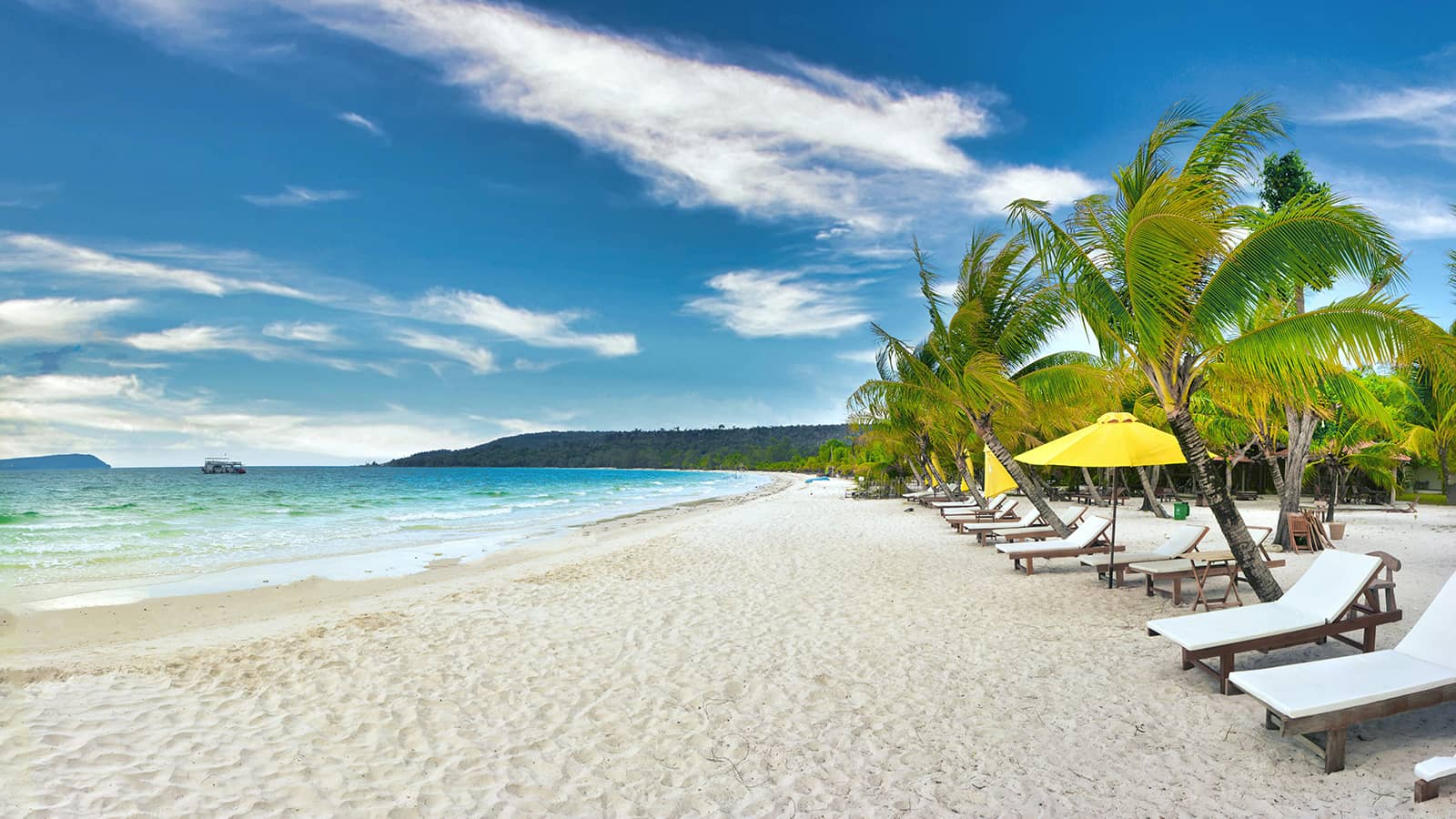
📷 Featured image by Life on the road on Unsplash.