On this page
- The North: Chaloklum Bay and the Fishing Village Atmosphere
- Thong Nai Pan: The Twin Bays That Reward the Journey
- Jungle Waterfalls and Interior Trails Worth the Sweat
- The Food Scene Beyond the Party Strip
- Yoga, Wellness, and Long-Stay Culture in 2026
- Day Trip or Overnight? How Long You Actually Need
- 2026 Budget Reality: What Things Actually Cost
- Getting There and Getting Around the Island
- Frequently Asked Questions
💰 Click here to see Thailand Budget Breakdown
💰 Prices updated: October, 2026. Budget figures are estimates — always verify before travel.
Exchange Rate: $1 USD = ฿33.60
Daily Budget (per person)
Shoestring: ฿900.00 – ฿1,800.00 ($26.79 – $53.57)
Mid-range: ฿2,150.00 – ฿4,000.00 ($63.99 – $119.05)
Comfortable: ฿6,000.00 – ฿12,000.00 ($178.57 – $357.14)
Accommodation (per night)
Hostel/guesthouse: ฿90.00 – ฿750.00 ($2.68 – $22.32)
Mid-range hotel: ฿1,400.00 – ฿3,500.00 ($41.67 – $104.17)
Food (per meal)
Budget meal: ฿70.00 ($2.08)
Mid-range meal: ฿250.00 ($7.44)
Upscale meal: ฿1,000.00 ($29.76)
Transport
Single metro/bus trip: ฿30.00 ($0.89)
Monthly transport pass: ฿1,155.00 ($34.38)
Most people know Koh Phangan for one thing: the Full Moon Party at Haad Rin beach, which pulls tens of thousands of visitors every month and has built an identity around cheap buckets and neon body paint. That reputation has become a problem for the island itself. In 2026, travellers who arrive expecting a quiet tropical escape and land in a Full Moon week are often blindsided. But here is the thing — the overwhelming majority of Koh Phangan has nothing to do with that party. The island is large, hilly, and genuinely beautiful, with some of the best undeveloped coastline in the Gulf of Thailand. You just need to know where to go.
The North: Chaloklum Bay and the Fishing Village Atmosphere
Chaloklum sits on the northern tip of the island and feels like a different country compared to Haad Rin. The bay is wide and calm, the water greenish-blue in the morning light, and the main street still has mechanics, a fresh market, and old fishing boats hauled up on the shore. This is one of the few villages on Koh Phangan that hasn’t been entirely remade for tourism.
The dive scene here is quietly excellent. Koh Phangan’s northern waters see less boat traffic than the south, and local dive shops run trips out to Sail Rock and the seamounts around Koh Tao that are cheaper than booking from Koh Tao itself. Snorkelling directly from the bay isn’t spectacular, but the fishermen who offer longtail boat trips for around 300–500 THB can take you to small coves east of the bay where the reef is intact and the fish populations healthy.
For food, look for the string of simple restaurants along the waterfront. One spot — a blue-painted wooden place with no English sign — serves bowls of kuay teow ruea (boat noodles) with a broth so dark and deeply spiced it takes you a moment to place the flavours: star anise, pork blood, cinnamon, and a slow heat that builds rather than hits. Lunch here costs around 60 THB a bowl.
Thong Nai Pan: The Twin Bays That Reward the Journey
On the northeast coast, a winding mountain road drops down to two adjacent beaches — Thong Nai Pan Noi and Thong Nai Pan Yai — separated by a rocky headland. The road is now paved (a change from just a few years ago), but it’s still steep and narrow enough that motorbike rentals feel like a genuine commitment. That friction is a filter. The people who end up here want quiet.
Thong Nai Pan Noi is the more developed of the two, with mid-range resorts and a handful of beach bars. Thong Nai Pan Yai, five minutes further south by foot over the headland, is softer, wider, and less crowded even in peak season. The water is gin-clear in the morning before the afternoon breeze picks up, and the beach curves gently with casuarina trees providing real shade at the northern end.
Staying overnight here rather than making it a day trip from Haad Rin is strongly recommended. In the evening, after the day-trippers leave, the beaches are nearly empty. The sunset catches the headland in ochre light and the whole bay goes quiet except for the sound of water. That experience simply doesn’t happen if you arrive by songthaew at noon and leave by 4pm.
Jungle Waterfalls and Interior Trails Worth the Sweat
Koh Phangan’s interior is rarely visited, which is a genuine shame. The island’s central hills are covered in secondary jungle with a few good trails accessible from the main road. Phaeng Waterfall is the most visited, located within a small national park area about 4km from Thong Sala, and is worth the 200 THB national park entrance fee. The upper pool, reached by a steep 20-minute scramble from the main viewing platform, is where locals swim — cool, shaded, and almost always less crowded than the lower area.
Less visited is the trail that continues from the upper falls east toward Than Sadet waterfall and the Than Sadet-Ko Pha-ngan National Park coast. King Rama IX reportedly swam here multiple times, and the boulders still carry royal inscriptions. The waterfall itself isn’t dramatic, but the walk through dense canopy to reach the secluded black-rock beach at Than Sadet is one of the best short hikes on any Thai island. Allow three hours round trip and bring at least 1.5 litres of water.
The Food Scene Beyond the Party Strip
Haad Rin’s restaurant strip caters almost entirely to a market that wants chicken burgers and 150 THB cocktails at 11pm. The real food on Koh Phangan is in Thong Sala, the island’s main town, which has grown significantly since 2024 with a cluster of Thai and fusion restaurants near the night market and the expanded pier area.
The Thong Sala night market (open from around 5pm daily) is the most practical and cheapest eating option on the island. Duck rice, green curry over rice, pad kra pao, fresh-squeezed juices — most dishes run 60–100 THB. Further up the main street, a handful of restaurants have opened targeting the long-stay digital nomad community: proper espresso, fast wifi, working lunch menus, and food that’s genuinely good rather than generic. One of these — a converted shophouse painted deep terracotta — does a slow-cooked massaman with lamb that lands somewhere between Thai and Southern Indian in flavour, rich and complex in a way that makes you slow down and pay attention.
In Ban Tai, between Thong Sala and Haad Rin on the south coast, a small Muslim fishing community operates a few restaurants serving southern Thai food that is harder to find in tourist areas: khao yam (rice salad with dried coconut and shrimp), matabar flatbreads, and spiced fish curries that are distinctly different from the central Thai food that dominates most island menus.
Yoga, Wellness, and Long-Stay Culture in 2026
Koh Phangan has been a wellness destination for over a decade, but the 2026 version of that scene is more sophisticated and more diverse than what existed before. Haad Chao Phao on the west coast and the area around Sri Thanu have the highest concentration of yoga studios, detox retreats, and holistic wellness centres. Some of these are serious operations — multi-week teacher training programmes, Ayurvedic clinics, and somatic therapy practices that draw people for months at a time, not days.
The long-stay community has also grown in response to Thailand’s updated digital nomad and long-term visa options introduced since 2024. Koh Phangan is now one of the more affordable places in Thailand for someone on a 5-10 year Long-Term Resident (LTR) visa: monthly villa rentals in the Sri Thanu or Haad Yao area run 15,000–30,000 THB for a reasonable one-bedroom with a pool, and the social infrastructure of cafés, coworking spaces, and community events means it doesn’t feel isolating. The Kiets market near Sri Thanu, a weekend organic and crafts market, is a good barometer of this community — it’s busy, lively, and very much not aimed at week-long party tourists.
Day Trip or Overnight? How Long You Actually Need
Koh Phangan is reachable by ferry from Koh Samui in about 30 minutes, and from Surat Thani on the mainland in roughly two hours. This makes it technically viable as a day trip from Koh Samui, but only if your goal is to see one specific beach or one specific area. The island is about 15km across at its widest point, the roads are hilly and slow, and a single day doesn’t give you enough time to see the north, the interior, and the east coast without spending most of it on a songthaew.
A minimum of two nights covers the main quiet beaches and one interior excursion comfortably. Three to four nights is the sweet spot for most independent travellers: enough time to ride the motorbike around the coast road, find a beach or two you genuinely love, eat well, and leave without feeling rushed. If you’re coming for wellness or yoga, a week is the natural unit.
2026 Budget Reality: What Things Actually Cost
- Budget (backpacker hostels, local food, motorbike rental): 800–1,200 THB per day. Fan room guesthouses run 400–600 THB per night near Thong Sala. Motorbike rental is 200–300 THB per day for a basic semi-automatic.
- Mid-range (private bungalow with air-con and pool access, restaurant meals): 2,000–3,500 THB per day. Beachfront bungalows at Thong Nai Pan or Haad Yao in this range typically include breakfast.
- Comfortable (private villa or boutique resort, dining out twice daily): 5,000–10,000 THB per day. The boutique end of the market on Koh Phangan is genuinely good value compared to Koh Samui — better views and more character for a similar or lower price.
Getting There and Getting Around the Island
Most visitors arrive via ferry from either Koh Samui (Raja Ferry or Lomprayah) or directly from the mainland pier at Don Sak near Surat Thani. Bangkok to Koh Phangan typically involves a flight to Koh Samui (served by Bangkok Airways from Suvarnabhumi and Donmueang) or a flight to Surat Thani (AirAsia, Nok Air) followed by a bus-ferry combination. The bus-ferry packages sold at Bangkok’s Khao San Road and Southern Bus Terminal are still operating in 2026 and remain the cheapest option at around 700–900 THB including the ferry leg.
On the island, songthaews are the main shared transport and run set routes from Thong Sala pier to the main beaches. For flexibility, motorbike rental is the standard approach. Koh Phangan’s roads range from smooth main roads to rough concrete tracks in the north and east — a semi-automatic or automatic scooter handles 95% of the island without problems. Car hire exists but is rarely necessary and costs considerably more (around 1,500–2,000 THB per day). Ride-hailing apps function on the island in 2026, though coverage is patchy outside Thong Sala and Haad Rin.
Frequently Asked Questions
Is Koh Phangan worth visiting if I’m not going to the Full Moon Party?
Absolutely. The Full Moon Party occupies one beach at one end of the island. The rest of Koh Phangan — most of it — is quieter, greener, and significantly more interesting than its reputation suggests. The northeast coast, northern fishing villages, and interior waterfalls are all worth the trip entirely on their own terms.
What is the best beach on Koh Phangan for families or non-party travellers?
Thong Nai Pan Noi and Haad Yao on the west coast are the most consistently recommended. Both have calm water, beach restaurants, and a relaxed atmosphere without late-night noise. Haad Chao Phao (west coast) is another good option, particularly for those staying in the Sri Thanu wellness area.
When is the best time to visit Koh Phangan in 2026?
December through April is the driest and calmest period on the Gulf of Thailand side. The west coast is more sheltered from the November–December northeast monsoon. October and November can see heavy rain on the east coast. If you plan to visit both sides of the island, February and March offer the most consistent conditions.
How do I avoid arriving during Full Moon Party week?
Check the Full Moon Party dates for 2026 before booking — they follow the lunar calendar and are published months in advance on most Thailand travel sites. Prices for accommodation island-wide spike dramatically during party week, and the Haad Rin area becomes genuinely unpleasant for anyone not there for the event. Arriving even two days after the party is considerably calmer.
Is it safe to rent a motorbike on Koh Phangan?
With care, yes. The main risks are the steep northern and eastern hill roads and loose gravel on side tracks. Always wear a helmet (legally required in 2026 and actively enforced), check the brakes before leaving the rental shop, and avoid night riding on unlit roads. The number of injuries island-wide drops significantly with those three precautions in place.
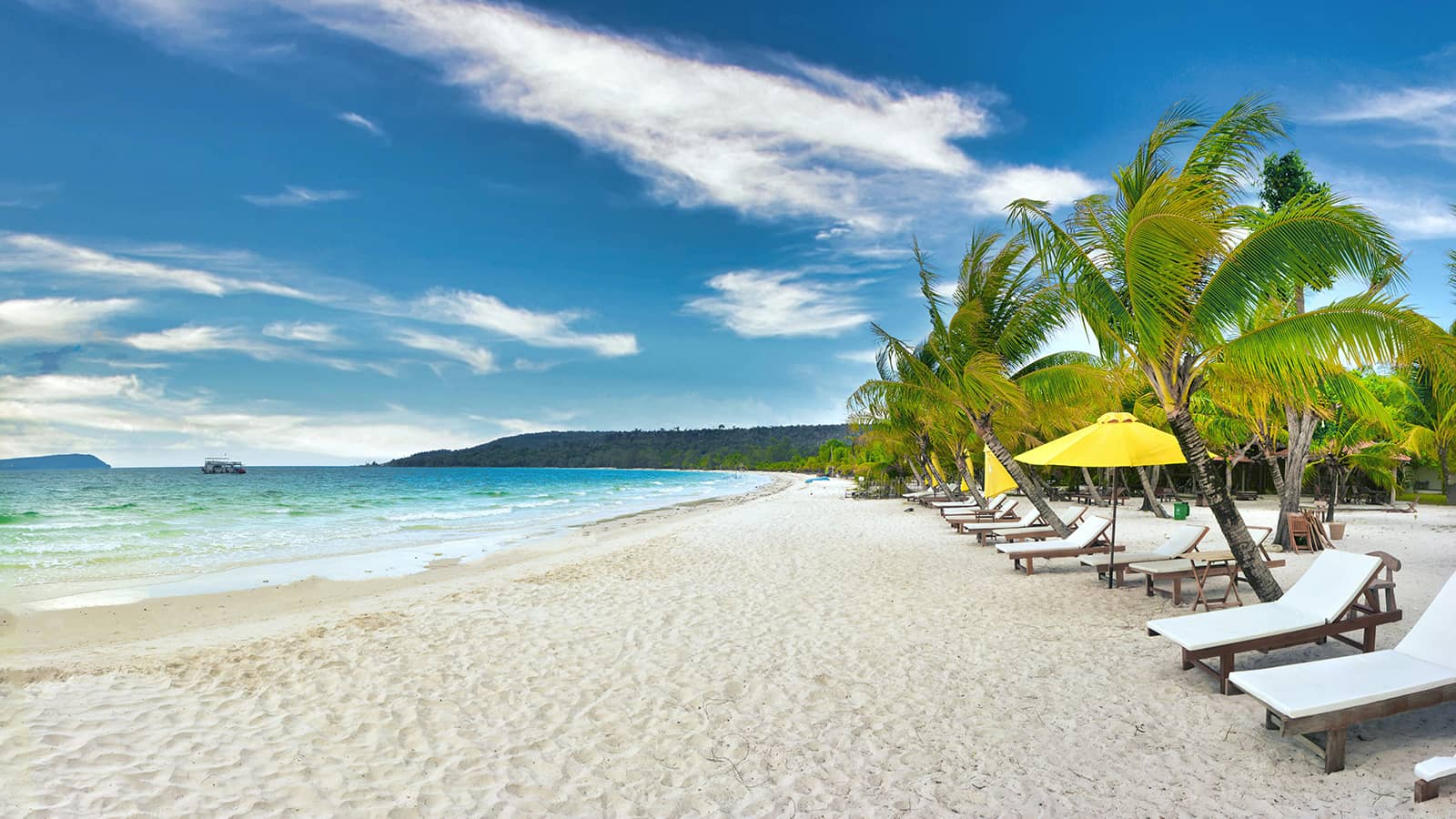
📷 Featured image by Ashiks Visual on Unsplash.