💰 Click here to see Thailand Budget Breakdown
💰 Prices updated: October, 2026. Budget figures are estimates — always verify before travel.
Exchange Rate: $1 USD = ฿33.60
Daily Budget (per person)
Shoestring: ฿900.00 – ฿1,800.00 ($26.79 – $53.57)
Mid-range: ฿2,150.00 – ฿4,000.00 ($63.99 – $119.05)
Comfortable: ฿6,000.00 – ฿12,000.00 ($178.57 – $357.14)
Accommodation (per night)
Hostel/guesthouse: ฿90.00 – ฿750.00 ($2.68 – $22.32)
Mid-range hotel: ฿1,400.00 – ฿3,500.00 ($41.67 – $104.17)
Food (per meal)
Budget meal: ฿70.00 ($2.08)
Mid-range meal: ฿250.00 ($7.44)
Upscale meal: ฿1,000.00 ($29.76)
Transport
Single metro/bus trip: ฿30.00 ($0.89)
Monthly transport pass: ฿1,155.00 ($34.38)
Koh Phangan has a reputation problem — or rather, it has the wrong reputation for roughly 29 days out of every month. The Full Moon Party at Haad Rin draws tens of thousands of visitors each time it runs, and in 2026, the crowds have pushed further up the island than ever before. Half Moon and Black Moon events now fill the calendar gaps, meaning there are only scattered windows when Haad Rin isn’t vibrating with bass. If you’ve already written off the island because of this, you’ve made a mistake. The rest of Koh Phangan — the forested interior, the calm northern bays, the serious wellness scene — operates in a completely different gear. This guide is for that version of the island.
The Quiet Corners: North and West Coast Beaches
The eastern coast below Thong Nai Pan is party territory. Walk in the other direction and the island changes character fast. The north and northwest offer the most dramatic contrast, and these are the areas that long-stay visitors guard carefully.
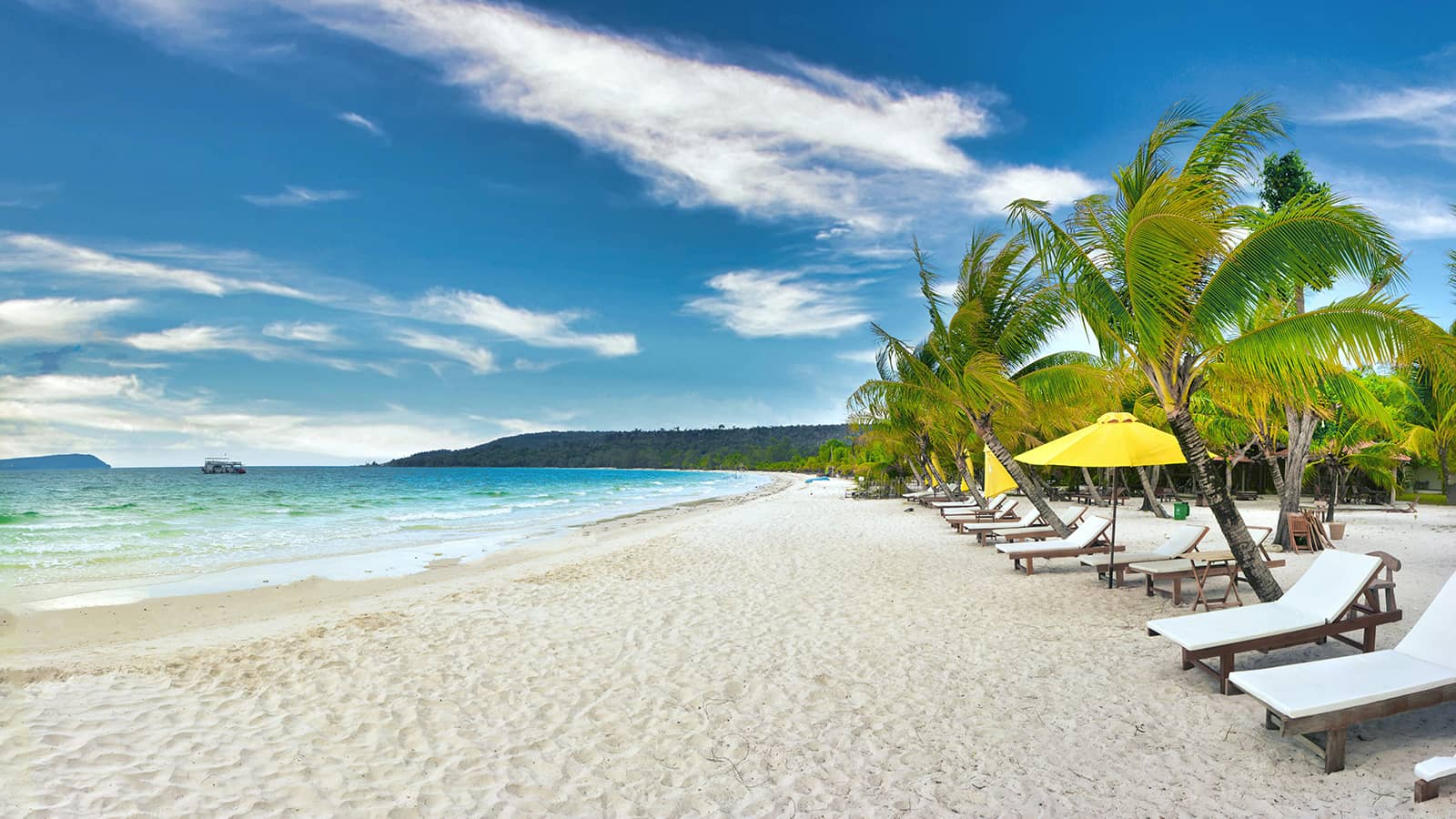
Thong Nai Pan Noi and Thong Nai Pan Yai sit at the island’s northeastern tip, but the road to reach them keeps casual day-trippers away. Two crescent bays divided by a rocky headland, they have fine white sand, shallow clear water, and a handful of low-key resorts. The southern bay (Yai) is slightly more developed; the northern one (Noi) feels almost private outside of high season. Early morning here — around 7am — the water is glassy, the light is warm, and you’ll often share the beach with no one but a few fishing boats anchoring offshore.
Haad Khom and Bottle Beach (Haad Khuat) are accessible by longtail boat from Chalok Lam village, which is itself a genuine fishing community worth spending time in. Bottle Beach has no road access at all, which keeps it genuinely secluded. The longtail ride costs around 100–150 THB per person. At Chalok Lam, the morning fish market runs until about 8am — vendors sell fresh catch directly off boats, and the whole scene smells of salt water and woodsmoke from the grills set up nearby.
Haad Salad and Haad Yao on the west coast offer sunset views that rival anything in the Gulf of Thailand. These beaches have enough infrastructure to be comfortable — a few good restaurants, bungalow operations, dive shops — but nothing approaching the chaos of the south. The road connecting them is manageable on a scooter but has some steep sections that catch out inexperienced riders.
Jungle Wellness Culture
Koh Phangan’s wellness industry has grown into one of the most concentrated scenes in Southeast Asia. By 2026, the island hosts over 30 registered yoga schools, multiple Vipassana-style retreat centres, and a growing number of functional medicine clinics catering to longer-stay health tourists. This didn’t happen by accident — the island attracted a critical mass of practitioners in the early 2010s, and that community has deepened significantly since.
Agama Yoga near Mae Haad is the most established school, running serious teacher training programmes that attract students from Europe, North America, and Australia. Sessions are structured and discipline-oriented — not the drop-in flow class you’d find at a Bangkok hotel spa. The Sanctuary on Haad Tien, accessible by boat or a steep walking trail, has operated for over two decades and still runs detox programmes, bodywork sessions, and yoga in a setting cut into the cliff above the water.
The inland temples also deserve attention. Wat Khao Tham, perched on a hill above Ban Tai, runs ten-day meditation retreats with an application process. These are not spa retreats — they’re silent, structured, and demanding. The views from the temple grounds across the Gulf at dawn are extraordinary: the water turns gold before the sun fully clears the horizon, and the only sound is birds and distant roosters.
In 2026, the island’s wellness economy has drawn scrutiny over pricing — many centres now charge rates closer to Bali than to Thai budget destinations. This is a fair complaint if you’re expecting cheap. It’s less fair if you’re comparing the quality and depth of instruction to equivalent programmes in Europe or North America.
What to Eat and Where
The food scene divides sharply between tourist-facing restaurants near the main beaches and the local spots that most visitors never find. Southern Thai food is the baseline here — spicier and more sour than central Thai cooking, heavy on turmeric, fresh herbs, and fermented shrimp paste.
Thong Sala is the island’s main town and ferry pier, and it’s where you eat if you want to eat well without paying resort prices. The Thong Sala Night Market runs every evening along the pier road. Rotating stalls sell khao yam (a cold rice salad tossed with toasted coconut, herbs, and a tart tamarind dressing), roti with curry dipping sauce, and whole grilled fish stuffed with lemongrass. Prices range from 50–120 THB per dish.
For breakfast, the small shophouse cafés behind the market open from around 6:30am. A bowl of boat noodles or a plate of khanom jeen (rice vermicelli with southern-style curry) costs 50–70 THB and will keep you going until early afternoon.
On the north coast, Chalok Lam has a handful of family-run restaurants facing the fishing bay that cook whatever came in that morning. No printed menus, no English descriptions — you point at the fish in the display and decide how you want it cooked. Expect to pay 180–280 THB for a fresh fish dish with rice and a side.
Getting to Koh Phangan in 2026
There is no airport on Koh Phangan. All arrivals go by ferry, either from the mainland port of Surat Thani or via Koh Samui.
From Surat Thani: The most common route. Raja Ferry and Seatran both operate daily services. The crossing takes approximately 2.5 to 3 hours depending on the departure point (Don Sak port is the most reliable). Combined bus-ferry tickets from Bangkok’s Southern Bus Terminal run around 700–950 THB and handle the overnight bus plus morning ferry in a single booking.
Via Koh Samui: Fly into Samui Airport (USM) — Bangkok Airways operates the main routes, though prices remain high due to Samui Airport’s private ownership. From Samui, the ferry to Koh Phangan takes 20–30 minutes and costs around 200–300 THB. Lomprayah and Seatran both run this route with multiple daily departures.
Via Chumphon (northern approach): If travelling from Bangkok or Hua Hin, the Chumphon ferry route connects to Koh Phangan with a roughly 2-hour crossing. Lomprayah’s high-speed catamaran runs this route. In 2026, this has become a popular option for travellers who want to avoid Surat Thani’s transport congestion during peak season.
Getting Around Without a Party Crowd
Koh Phangan’s road network is a mix of sealed coastal roads and steep inland tracks that turn treacherous in the rain. The honest truth about scooter rental: it’s the most practical option, but the island’s roads genuinely injure people every month. If you haven’t ridden a scooter before, this is not the place to learn.
Scooter rental costs 200–300 THB per day from shops in Thong Sala and the main beach villages. International driving licences are technically required and insurance coverage varies — read the rental agreement carefully. Roads in the north toward Thong Nai Pan have sharp bends and loose gravel on descents; take them slowly.

Songthaews (shared pickup trucks) operate loose routes between the main villages and ferry pier. They don’t run on fixed timetables — they leave when full. A shared ride from Thong Sala to Haad Rin costs around 100–150 THB per person; to northern beaches, expect 150–200 THB. After dark, especially on party nights, fares double or higher.
Taxis exist but operate without meters. Agree on a price before you get in. The Grab app has expanded its boat-taxi integration in the Samui-Phangan area since 2025, which now lets you book and price longtail connections to quieter beaches more reliably.
Day Trip or Stay Longer?
Day trips to Koh Phangan from Koh Samui are technically possible — the ferry is only 30 minutes — but they make limited sense for the peaceful-side experience. You’ll spend a meaningful chunk of the day on transport logistics and won’t have time to get anywhere beyond the pier towns.
Stay at least 3 nights if your main interest is beaches and food. That gives you one day to orient yourself around Thong Sala and a couple of days to reach the quieter bays without rushing.
Stay 7 nights or more if wellness is the draw. Most yoga intensives and retreat programmes are structured around weekly blocks. Arriving mid-programme isn’t usually an option at the serious schools.
Avoid the island entirely around the Full Moon Party if you’re not there for it. The party runs the day before, of, and after the full moon each month. Accommodation prices spike island-wide — not just at Haad Rin — and transport connections get congested. Check the 2026 lunar calendar before booking.
2026 Budget Reality
Costs on Koh Phangan have risen steadily since 2023, driven partly by post-pandemic demand and partly by the wellness tourism premium. Here’s an honest breakdown:
- Budget: Fan-cooled bungalow at a small guesthouse away from party beaches: 400–700 THB per night. Street food and market meals: 50–120 THB per dish. Scooter rental: 200–250 THB per day. Daily budget: 1,000–1,500 THB if you’re careful.
- Mid-range: Air-conditioned room with hot water at a small resort: 900–1,800 THB per night. Mix of local restaurants and casual beachside dining: 150–350 THB per meal. Organised day activities (snorkelling, kayak hire): 300–600 THB. Daily budget: 2,500–4,000 THB.
- Comfortable: Boutique resort or pool villa on north/west coast: 2,500–6,000 THB per night. Wellness retreats: 1,500–4,000 THB per day including accommodation, meals, and classes. Daily total: 5,000–10,000 THB depending on programme.
Note that the Thai government’s updated digital nomad and long-stay visa framework (revised in late 2025) has made 30+ day stays more common among wellness visitors. If you’re planning an extended stay, the monthly rate at most guesthouses is negotiated directly — usually a 20–30% reduction on the nightly rate.
Frequently Asked Questions
Is Koh Phangan worth visiting if you’re not interested in the Full Moon Party?
Absolutely. The party is concentrated at Haad Rin on the southeast tip of the island. The north and west coasts, the interior wellness retreats, and the fishing villages around Chalok Lam operate completely independently of the party scene. Many long-term residents have never attended a Full Moon Party.
When is the best time to visit Koh Phangan for calm weather and quiet beaches?
December through April is the driest and most settled period on the Gulf Coast side. The west coast (Haad Salad, Haad Yao) can get rougher seas during this window but is calmer from April to October. Avoid October, which is the peak of the Gulf Coast rainy season.
How safe is it to rent a scooter on Koh Phangan?
Possible but requires caution. The roads vary from smooth coastal tarmac to steep gravel descents. Accidents involving tourists on scooters are a documented problem. Wear a helmet, carry your licence, go slowly on unfamiliar roads — particularly in the north — and check that your travel insurance covers scooter riding before you leave home.
Can I do a yoga or meditation retreat without booking far in advance?
For drop-in yoga classes, same-week booking is usually fine outside peak season. For structured programmes — teacher training, silent retreats at Wat Khao Tham, or detox programmes at The Sanctuary — book weeks or months ahead. Popular programmes fill up well before the start date, especially in the December–February high season.
Is Koh Phangan expensive compared to other Thai islands in 2026?
It sits in the mid-range. More expensive than Koh Tao, cheaper than Koh Samui or Phuket for comparable accommodation. Budget travellers can still find affordable bungalows and market food. Wellness retreats push costs up significantly — that segment now prices closer to Bali or Goa than to budget Southeast Asia.
📷 Featured image by Daniele Franchi on Unsplash.