On this page
- What Makes Koh Chang Different From Thailand’s Crowded Island Circuit
- The Beaches: What You’ll Actually Find in 2026
- The Jungle Interior: Waterfalls, Trails, and Wildlife
- Where to Eat on Koh Chang
- Getting to Koh Chang in 2026
- Getting Around the Island
- Day Trip or Overnight? How Long You Actually Need
- 2026 Budget Reality: What to Expect to Spend
- Frequently Asked Questions
💰 Click here to see Thailand Budget Breakdown
💰 Prices updated: August, 2026. Budget figures are estimates — always verify before travel.
Exchange Rate: $1 USD = ฿33.14
Daily Budget (per person)
Shoestring: ฿900.00 – ฿1,500.00 ($27.16 – $45.26)
Mid-range: ฿2,500.00 – ฿4,000.00 ($75.44 – $120.70)
Comfortable: ฿6,000.00 – ฿12,000.00 ($181.05 – $362.10)
Accommodation (per night)
Hostel/guesthouse: ฿200.00 – ฿700.00 ($6.04 – $21.12)
Mid-range hotel: ฿1,300.00 – ฿3,300.00 ($39.23 – $99.58)
Food (per meal)
Budget meal: ฿80.00 ($2.41)
Mid-range meal: ฿300.00 ($9.05)
Upscale meal: ฿1,500.00 ($45.26)
Transport
Single metro/bus trip: ฿30.00 ($0.91)
Monthly transport pass: ฿1,077.50 ($32.51)
Thailand’s island scene in 2026 has a crowding problem most travelers already know about. Koh Phi Phi is overrun. Koh Samui feels like a resort strip. Even parts of Koh Lanta now book out months ahead. Koh Chang — Thailand’s second-largest island, sitting quietly in the Gulf of Thailand near the Cambodian border — keeps getting described as a hidden gem, but is that still true? The honest answer is: mostly yes, with some caveats.
What Makes Koh Chang Different From Thailand’s Crowded Island Circuit
Koh Chang sits in Trat Province, roughly 350 kilometres southeast of Bangkok. Unlike most Thai islands that got swallowed by mass tourism in the 2000s, Koh Chang’s development stayed patchy. A large portion of the island falls inside Mu Ko Chang National Park, which legally restricts overdevelopment. That single fact has shaped everything here.
The island is big — about 30 kilometres long and 14 kilometres wide — and heavily forested. Dense jungle covers the interior, waterfalls cut through the hills, and the roads are steep enough that motorbike accidents are a genuine concern. This isn’t a flat, easy island. That natural difficulty has kept certain visitor types away, which is part of the appeal.
The crowd here leans toward travelers staying four to seven nights rather than party-circuit backpackers doing a night or two. You get European long-stay visitors, Thai families on holiday, and a growing number of remote workers who discovered the island during the post-2020 slow-travel boom. The vibe is unhurried without being sleepy.
The Beaches: What You’ll Actually Find in 2026
Koh Chang has several distinct beaches, and they are genuinely different from each other. Picking the right one matters more here than on smaller islands where one beach strip dominates.
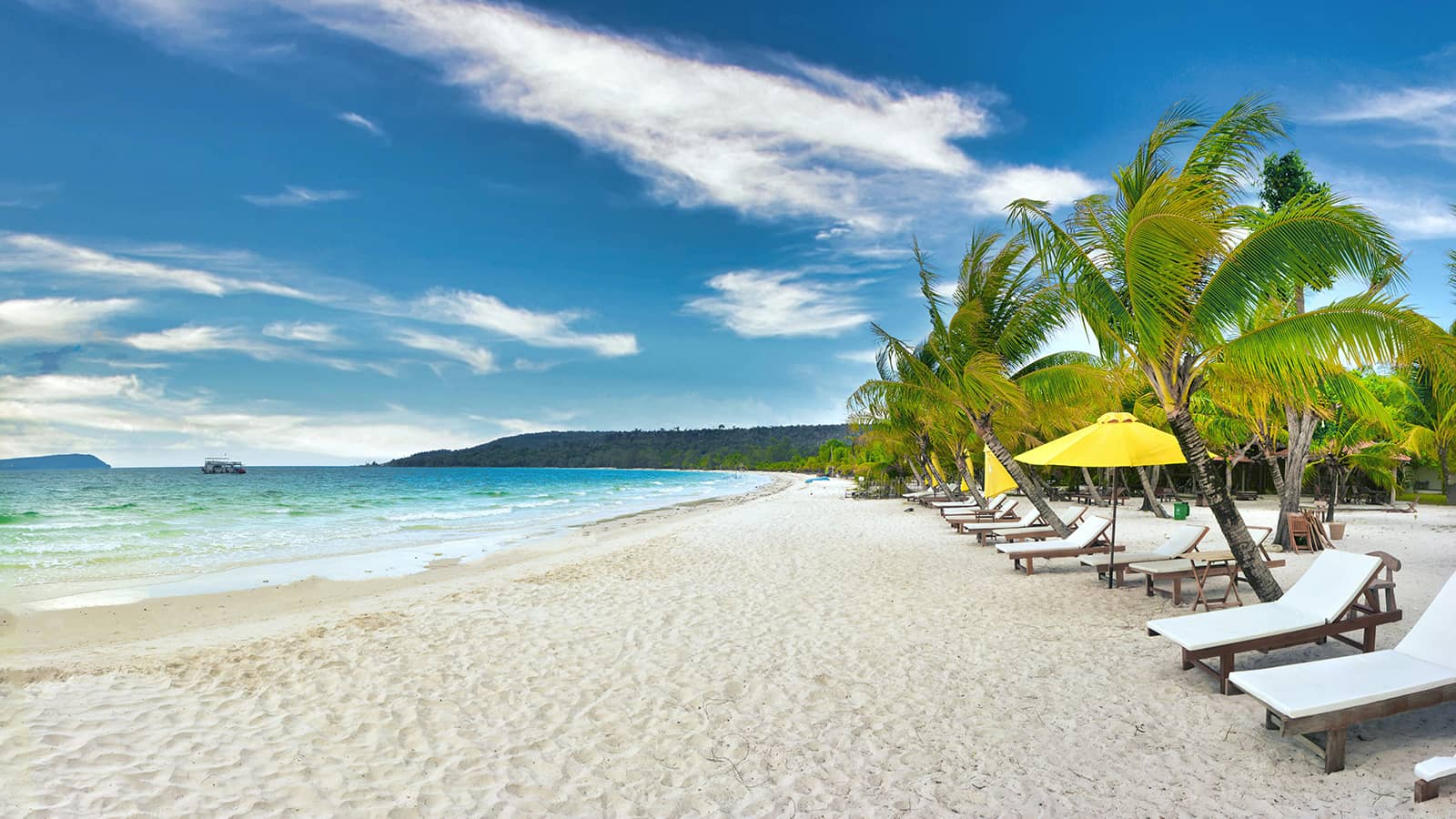
Hat Sai Khao (White Sand Beach) is the most developed and the busiest. It has the widest stretch of sand on the island, decent swimming during calm season (November to April), and a full range of accommodation from budget guesthouses to mid-range hotels. The water here turns a warm golden colour at sunset, and the beach bars light up with strings of lanterns as the evening rolls in — it’s the closest Koh Chang gets to a classic Thai beach scene.
Klong Prao is quieter and more attractive for families. A shallow estuary runs behind part of the beach, and the setting feels more natural. Several good resorts sit here without being packed together.
Lonely Beach (Hat Tha Nam) lives up to its name less than it used to but remains the most backpacker-friendly stretch. Budget bungalows, good food stalls, and a younger crowd. The swimming here can be rough in shoulder season.
Bang Bao in the south is less a beach and more a fishing village on stilts, connected by wooden piers. It’s the departure point for snorkeling day trips to the outer islands and has some of the best seafood restaurants on the island.
The Jungle Interior: Waterfalls, Trails, and Wildlife
Most visitors to Thai islands barely leave the beach. On Koh Chang, ignoring the interior means missing what actually makes the island worth the journey.
Klong Plu Waterfall is the most accessible, about 2 kilometres from Klong Prao Beach via a paved path and a short hike. The falls drop about 20 metres into a natural pool where swimming is allowed. The walk in passes through dense canopy — you’ll hear gibbons calling before you arrive, a sound that cuts through the heat and humidity in a way that’s hard to describe until you’ve stood there and felt your pace slow down instinctively.
Than Mayom Waterfall on the east coast is less visited and involves a harder trail through genuine jungle. It has three tiers, with royal initials carved into rocks from past visits by Thai kings. The effort is real but the reward is almost complete solitude, even in high season.
Wildlife on Koh Chang includes wild elephants in the central hills — a fact many visitors don’t know. Sightings are rare and accidental. There are no elephant camps operating on the island in 2026 following a 2024 provincial directive that phased out captive elephant tourism here. Monkeys, hornbills, and monitor lizards are much more commonly encountered on any jungle trail.
Where to Eat on Koh Chang
The food scene on Koh Chang is better than its reputation suggests. Most visitors default to the beachside restaurants, which are fine but rarely exceptional.
For local Thai food, head to the market in Ban Kwan near the ferry terminal side of the island. It opens from early morning and serves real working-island food: rice porridge, fresh fruit, grilled skewers for 15–20 THB each. Locals eat here. Prices reflect that.
At Lonely Beach, a string of small restaurants along the main road serves solid Thai standards and a few international options aimed at long-stay travelers. Oodie’s Place has been a reliable spot for years and remains good value for fresh fish dishes in the 180–280 THB range.
In Bang Bao, the pier restaurants specialise in fresh seafood priced by weight. A whole grilled red snapper for two people typically runs 450–600 THB depending on size. The setting — sitting over open water on weathered wooden planks — makes even a simple plate of garlic prawns feel like an occasion.
Avoid the tourist-menu restaurants on Hat Sai Khao unless you’re happy paying Bangkok prices (350–600 THB for basic dishes) for average quality. They survive on foot traffic, not reputation.
Getting to Koh Chang in 2026
There is no airport on Koh Chang. The closest airport is Trat Airport, served by Bangkok Airways from Bangkok Suvarnabhumi. Flight time is about 50 minutes, and flights run once or twice daily. From Trat Airport, minivans connect to the ferry pier at Laem Ngop in about 30 minutes.
The more common route is bus from Bangkok’s Eastern Bus Terminal (Ekkamai) or Mo Chit. Direct services to Laem Ngop take about five to six hours and cost 300–450 THB depending on the class of bus. Combination bus-and-ferry tickets are available and convenient, dropping you at the pier and including the ferry crossing.
Two ferry companies run from Laem Ngop to Ao Sapparot or Ao Thammachat piers on Koh Chang. The crossing takes 30–45 minutes. In 2026, the standard ferry ticket is 80 THB per person. Car ferries run regularly from early morning until around 19:00. The last ferry timing shifts slightly by season, so confirm locally if you’re arriving in the afternoon.
Getting Around the Island
The main road runs down the west coast and connects all the major beaches. Songthaews (shared pickup trucks) run this route during daylight hours and cost 60–120 THB per person depending on distance. They stop on request — wave one down from the roadside.
Motorbike rental is available across the island at 250–350 THB per day. The road on the west coast is manageable. The roads crossing to the east coast or heading south past Lonely Beach involve steep gradients and sharp turns. Accidents among tourists are common every season. If you’ve never ridden a motorbike in hill terrain, rent a car instead (from around 1,200 THB per day) or stick to songthaews and taxis.
Day Trip or Overnight? How Long You Actually Need
Koh Chang is not a day trip destination. The journey alone — bus plus ferry, or flight plus minivan plus ferry — takes the better part of a morning or afternoon in each direction. Arriving one day and leaving the next gives you barely enough time to find your feet.
A realistic minimum is three nights. That gives you one full beach day, one day for jungle and waterfall hiking, and one day for a boat trip to the outer islands or a slow exploration of Bang Bao. Five to seven nights is ideal if you want to settle into the pace of the place rather than rush through a checklist.
Koh Chang works as an add-on to either a Bangkok trip or a Cambodia border crossing through Trat. Travelers heading overland to or from Koh Kong in Cambodia sometimes stop here for several days, which makes geographic sense.
2026 Budget Reality: What to Expect to Spend
Prices on Koh Chang are lower than Koh Samui or Phuket but not rock-bottom. Here’s what a realistic daily budget looks like in 2026:
- Budget traveler: 800–1,200 THB per day. Dorm bed or basic fan bungalow (250–400 THB), street food and local restaurants (200–300 THB for meals), songthaew transport, one beer per evening.
- Mid-range traveler: 1,800–2,800 THB per day. Air-conditioned guesthouse or small hotel (700–1,200 THB per night), mix of local and beachside dining, occasional taxi, one activity or boat trip.
- Comfortable traveler: 3,500–6,000 THB per day. Beachfront resort (1,800–3,500 THB per night), restaurant meals, private transport, guided tours and snorkeling trips.
The national park entry fee (200 THB per person, introduced in 2026) is a flat addition on top of these figures for the first day. Boat trips to the outer islands run 800–1,500 THB per person through operators in Bang Bao, usually including snorkeling gear and lunch.
Frequently Asked Questions
Is Koh Chang worth visiting in 2026?
Yes, especially if you’ve already done the more famous Thai islands and want somewhere with actual jungle, quieter beaches, and a more local feel. It’s not completely undiscovered, but compared to Koh Phi Phi or Koh Samui, it feels noticeably less commercialised and more spacious. The national park protection has kept overdevelopment in check.
What is the best time of year to visit Koh Chang?
November through April is high season when the weather is dry and the sea is calm. May through October is monsoon season — some accommodation closes, boat trips get cancelled, and heavy rain can arrive without warning. The island stays open year-round but visiting between June and September involves real weather risk and reduced services.
How do I get from Bangkok to Koh Chang?
The most common route is bus from Ekkamai or Mo Chit bus terminals in Bangkok to Laem Ngop pier, followed by a 30–45 minute ferry to the island. Total travel time is roughly six to seven hours. A faster option is flying Bangkok Airways to Trat, then minivan and ferry, which cuts the journey to around three hours total.
Is Koh Chang safe for solo travelers?
Generally yes. The island is safe, low-key, and well-visited enough that solo travelers are common, especially at Lonely Beach and Klong Prao. The main safety concern is motorbike accidents on hilly roads — these happen regularly. Female solo travelers generally report feeling comfortable here, more so than on heavier party islands.
Are there ATMs and reliable internet on Koh Chang?
ATMs are available at Hat Sai Khao, Klong Prao, and near Bang Bao. They charge the standard foreign card fee of 220 THB per withdrawal. Mobile internet coverage (4G/5G) is solid on the west coast and in most tourist areas. The east coast and deep interior have patchy or no signal. Download offline maps before heading into the jungle.
📷 Featured image by Steven Watson on Unsplash.