On this page
- White Sand Beach (Hat Sai Khao): The Island’s Main Act
- Kai Bae Beach: Where the Island Finds Its Balance
- Lonely Beach (Hat Tha Nam): Backpacker Soul, Real Jungle Edge
- Klong Prao Beach: Space, Quiet, and a River at Your Back
- Bang Bao and the Southern Tip: Piers, Villages, and Hidden Coves
- 2026 Budget Reality: What Things Actually Cost on Koh Chang
- Getting to Koh Chang and Getting Around in 2026
- Day Trip or Overnight? An Honest Assessment
- Frequently Asked Questions
💰 Click here to see Thailand Budget Breakdown
💰 Prices updated: August, 2026. Budget figures are estimates — always verify before travel.
Exchange Rate: $1 USD = ฿33.14
Daily Budget (per person)
Shoestring: ฿900.00 – ฿1,500.00 ($27.16 – $45.26)
Mid-range: ฿2,500.00 – ฿4,000.00 ($75.44 – $120.70)
Comfortable: ฿6,000.00 – ฿12,000.00 ($181.05 – $362.10)
Accommodation (per night)
Hostel/guesthouse: ฿200.00 – ฿700.00 ($6.04 – $21.12)
Mid-range hotel: ฿1,300.00 – ฿3,300.00 ($39.23 – $99.58)
Food (per meal)
Budget meal: ฿80.00 ($2.41)
Mid-range meal: ฿300.00 ($9.05)
Upscale meal: ฿1,500.00 ($45.26)
Transport
Single metro/bus trip: ฿30.00 ($0.91)
Monthly transport pass: ฿1,077.50 ($32.51)
Koh Chang has a reputation problem — not a bad one, exactly, but an incomplete one. Most people arrive having heard it’s “Thailand’s second-largest island” and leave wondering why it doesn’t get the same breathless coverage as Koh Samui or Phuket. The answer is simple: Koh Chang rewards the curious. The island’s west coast stretches through a string of genuinely different beaches, each with its own personality and crowd. In 2026, with the eastern seaboard more accessible than ever thanks to improved road links from Bangkok’s eastern suburbs, visitor numbers have ticked up — which means picking the right beach for your travel style matters more than it used to.
White Sand Beach (Hat Sai Khao): The Island’s Main Act
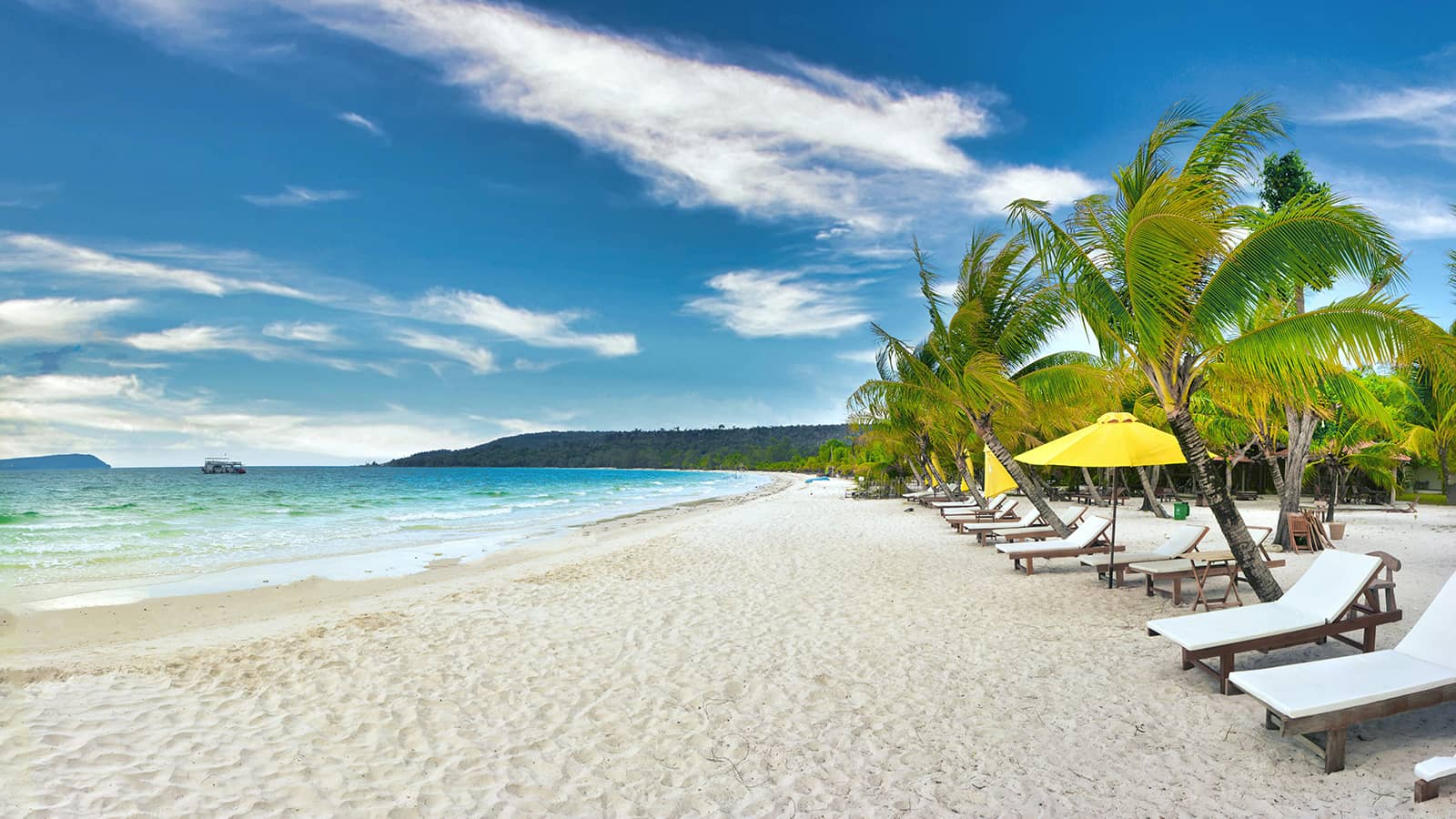
Hat Sai Khao is the longest and most developed beach on Koh Chang, running about 2 kilometres along the northwest coast. The sand really is pale — almost white in the afternoon glare — and the water stays calm and swimmable through most of the dry season (November to April). If you arrive here around 5pm, you’ll catch the salt-heavy breeze rolling off the Gulf of Thailand and the smell of garlic and lemongrass drifting from the beachside restaurants setting up for the evening rush. It’s the closest thing Koh Chang has to a resort strip.
That comes with trade-offs. Sunbeds are packed in tightly on the busiest stretches, and the main road runs close enough to the beach that you’ll hear motorbikes. Accommodation ranges from backpacker guesthouses tucked behind the treeline to mid-range beach bungalow resorts directly on the sand. Hat Sai Khao suits first-time visitors to Koh Chang, families who want amenities close by, and anyone who prefers a lively evening scene with restaurants, massage shops, and bars within walking distance.
Kai Bae Beach: Where the Island Finds Its Balance
About 4 kilometres south of Hat Sai Khao, Kai Bae sits at a comfortable midpoint between buzzy and sleepy. The beach is shorter and broken up by a few rocky outcrops, which creates natural sections — some with a cluster of bars and a handful of restaurants, others almost entirely empty on weekday mornings. The shallow, clear water here is consistently good for snorkelling without a boat trip; wade out at low tide towards the small island of Koh Man Nai and you’ll find coral formations close enough to the surface that even children can peer through a mask and see fish darting around the reef.
Kai Bae attracts a mixed crowd: couples, some families, a few solo travellers who’ve done their homework. The accommodation here is mostly guesthouses and small resorts in the 800–2,500 THB per night range, and the food scene includes a couple of genuinely good Thai restaurants — not just pad thai and fried rice aimed at tourists, but dishes like stir-fried crab with curry powder or fresh squid in a sauce that has real southern Thai heat to it.
Lonely Beach (Hat Tha Nam): Backpacker Soul, Real Jungle Edge
The name is slightly misleading now — Lonely Beach has been firmly on the backpacker map for over a decade. But it’s still the most distinctly alternative beach on the island. The sand is darker and coarser than Hat Sai Khao, the treeline comes right down to the beach edge, and the sound of the jungle — actual jungle — is always present in the background. Koh Chang is 70% national park, and at Lonely Beach you feel that fact rather than just read it on a sign.
The vibe here is young, relaxed, and cheap in the best sense. Beach bars play reggae and Thai indie music through the afternoon, fire shows happen on the beach at night during peak season, and the whole place shuts down late. Solo travellers and budget backpackers dominate, and there’s a strong social atmosphere in the guesthouses and shared dining spaces. If you’re the type who came to Thailand for a slower, more communal experience rather than a polished resort stay, Lonely Beach delivers that more reliably than anywhere else on the island.
Klong Prao Beach: Space, Quiet, and a River at Your Back
Klong Prao is Koh Chang’s longest beach — roughly 3 kilometres of relatively uncrowded sand interrupted mid-way by the mouth of a wide, mangrove-flanked river. That river mouth means no continuous beachfront walk from one end to the other, which has kept large-scale development at bay. Resorts here tend to have real gardens, wooden walkways over the river, and a genuine sense of space that’s rare on Thai island beaches in 2026.
This is the best beach on the island for families with young children. The water is shallow and gentle, the beach is broad enough that it never feels crowded, and the resort infrastructure — pools, in-house restaurants, kids’ activities — tends to be well-maintained. It’s also quieter at night than either Hat Sai Khao or Lonely Beach, which will appeal to those who would rather have a good night’s sleep than a late bar crawl. Seafood restaurants along the beach road offer fresh catch daily; look for the places where Thai families are eating, which usually indicates honest pricing and real cooking.
Bang Bao and the Southern Tip: Piers, Villages, and Hidden Coves
Bang Bao is less a beach and more a way of life. The village sits on a long wooden pier jutting into the southern sea, with stilted houses, dive shops, seafood restaurants, and longtail boat operators all crammed onto the same narrow walkway above the water. It’s the departure point for boat trips to the smaller surrounding islands — Koh Wai, Koh Mak, and Koh Kood — and the whole area has an authentic fishing community feel that’s become rarer in Thai island tourism.
The actual swimming beaches near Bang Bao are small and isolated: Ao Bai Lan and a few unnamed coves accessible by motorbike or longtail. They’re rocky in places, but that means the water is clear and there’s almost no one there. If you’re after a beach where the main activity is sitting in the shade with a cold drink and watching fishing boats work the horizon, the southern tip of Koh Chang is where you’ll find it.
2026 Budget Reality: What Things Actually Cost on Koh Chang
Prices on Koh Chang have risen noticeably since 2024, tracking the broader increase in Thai tourism costs, but the island still sits below Koh Samui and Phuket in most categories.
- Budget accommodation (Lonely Beach, basic guesthouses): 400–800 THB per night for a fan room or dorm bed
- Mid-range accommodation (Kai Bae, Klong Prao guesthouses and small resorts): 1,200–2,500 THB per night for an air-conditioned room with basic facilities
- Comfortable accommodation (Hat Sai Khao beachfront resorts, Klong Prao resort hotels): 3,000–7,000 THB per night
- Meal at a local Thai restaurant: 80–150 THB per dish
- Seafood dinner at a beachfront restaurant: 400–900 THB per person depending on what you order
- Snorkelling trip (half-day boat tour): 500–800 THB per person
- Motorbike rental: 250–400 THB per day
- National park entry fee: 200 THB for foreigners (applicable in some interior areas)
The island is genuinely affordable if you base yourself at Lonely Beach or Kai Bae and eat at local places. Staying at a beachfront resort on Hat Sai Khao and eating every meal at the hotel will push costs significantly higher.
Getting to Koh Chang and Getting Around in 2026
The most common route from Bangkok is by bus or minivan to Trat (approximately 5–6 hours from Bangkok’s Eastern Bus Terminal at Ekkamai), then a short transfer to Ao Sapparot or Centre Point ferry pier, and a 30-minute ferry crossing to the island. Buses run throughout the day and cost 250–400 THB. The ferry ticket adds 80 THB for passengers. There is no bridge to Koh Chang, and there won’t be one — the national park designation makes construction effectively impossible.
Trat also has a small airport with daily flights from Bangkok (Suvarnabhumi) operated by Bangkok Airways. Flight time is around 70 minutes and fares typically range from 1,800–4,500 THB one way depending on how early you book. In 2026, Bangkok Airways added a second daily flight on the Trat route during peak season (November through March), which has reduced the bottleneck that used to affect island arrivals around the New Year period.
On the island itself, songthaews (covered pickup trucks) run along the main west coast road and are the cheapest way to move between beaches — expect to pay 50–100 THB per person depending on distance. Motorbike rental is the most practical option if you want to explore freely, but the road has steep hills and sharp bends, particularly in the south. Drive carefully, wear a helmet, and do not underestimate the curves between Kai Bae and Bang Bao after dark.
Day Trip or Overnight? An Honest Assessment
Koh Chang does not work as a day trip. The ferry crossing alone takes 30 minutes each way, and once you factor in travel time from Bangkok (5–6 hours each direction), you’d spend more time moving than actually on the island. A minimum of two nights makes the journey worthwhile; three to five nights is the sweet spot for most travellers, giving you enough time to try different beaches without rushing.
The island also works well as a standalone destination on a longer eastern Thailand loop: Bangkok to Koh Chang, then a boat or ferry connection to quieter Koh Mak or Koh Kood before heading back. That route has grown in popularity in 2026 as travellers look for alternatives to the overcrowded Samui–Phangan–Tao circuit in the Gulf.
Frequently Asked Questions
Which beach in Koh Chang is best for swimming?
White Sand Beach (Hat Sai Khao) and Klong Prao are the most reliably calm for swimming during dry season (November to April). Kai Bae is good for snorkelling due to shallow reefs near the small offshore island. Avoid swimming on any Koh Chang beach during monsoon season (May to October) when surf and currents can be unpredictable.
Is Koh Chang suitable for families with young children?
Klong Prao is the best choice for families. It has shallow, gentle water, a wide beach, and the most family-oriented resort infrastructure on the island. Hat Sai Khao is also manageable but busier. Lonely Beach is not well-suited to families with small children due to the party atmosphere in the evenings.
When is the best time to visit Koh Chang?
November through February is peak season — dry, sunny, and the sea is at its calmest. March and April are still good but hotter. The island effectively shuts down during the deep monsoon months of June, July, and August, with many resorts and restaurants closing entirely. If you visit in shoulder season (May or October), expect some rain but far fewer crowds.
How do I get from Bangkok to Koh Chang without a tour?
Take a bus or minivan from Ekkamai Bus Terminal to Trat (around 250–350 THB), then arrange a transfer or taxi to the ferry pier (around 150–200 THB), then catch the vehicle or passenger ferry to the island (80 THB for foot passengers). The whole journey takes 5–7 hours depending on connections. Book the bus online in advance during peak season.
Has Koh Chang become too touristy in 2026?
The short answer is no — not compared to Phuket or Koh Samui. Development is concentrated on the northern west coast, and the national park designation protects most of the island’s interior and some coastal areas. If White Sand Beach feels too crowded, moving south to Klong Prao or Kai Bae brings back a noticeably quieter experience within a 10-minute songthaew ride.
📷 Featured image by Ivan Nedelchev on Unsplash.