On this page
- The Wai — Thailand’s Greeting Ritual and How to Use It Correctly
- Royal Family and Lese-Majeste: The Law Every Tourist Must Understand
- Temple Etiquette: Dress, Behaviour, and Sacred Spaces
- Thai Social Hierarchy and the Concept of Face
- Shoes, Feet, and Heads: The Body’s Symbolic Geography
- Dining Customs and Meal-Table Manners
- The Mai Pen Rai Spirit and Managing Conflict Gracefully
- 2026 Budget Reality: Respecting Local Economies
- Frequently Asked Questions
Thailand welcomed over 40 million visitors in 2025, and with that volume comes a growing frustration among Thai locals about tourists who arrive well-intentioned but culturally underprepared. In 2026, Thai authorities have increased fines for temple dress-code violations and social media posts disrespecting the monarchy have led to detentions at immigration. This guide cuts through vague advice and gives you the specific knowledge you need to move through Thailand with genuine respect — not just surface-level politeness.
The Wai — Thailand’s Greeting Ritual and How to Use It Correctly
The wai (ไหว้) is Thailand’s most recognisable cultural gesture, but most tourists get it subtly wrong. It involves pressing your palms together at chest or chin level, fingers pointing upward, and giving a slight bow. The higher you raise your hands, the greater the respect you are expressing.
The critical detail is this: the wai is a hierarchical gesture. You wai people who are older, of higher social standing, or in a position of spiritual authority. You do not wai a street vendor, a tuk-tuk driver, or a hotel porter — they will wai you, and the correct response is a warm smile or a small nod, not a wai in return. Returning a wai to someone significantly below your social station can actually feel awkward to them rather than respectful.
Monks receive the highest form of the wai, hands raised to forehead level. When meeting a senior Thai official, a respected elder, or a temple abbot, raise your hands to chin level with a genuine bow. For general professional interactions — a hotel manager greeting you, a tour guide, a restaurant owner — a wai at chest level with a slight nod is perfectly appropriate.
As a foreign tourist, you are not expected to initiate the wai. But when a Thai person wais you first and you return it correctly, the effect is immediate — eyes light up, and the interaction shifts into something warmer and more genuine.
Royal Family and Lese-Majeste: The Law Every Tourist Must Understand
Thailand’s lese-majeste law (Section 112 of the Criminal Code) criminalises any statement deemed defamatory, insulting, or threatening to the king, queen, heir apparent, or regent. In 2026, this law carries penalties of three to fifteen years in prison per count. Foreign nationals are not exempt, and “I didn’t know” is not a legal defence.
What this means practically: do not make jokes about the royal family, even privately in what feels like a safe conversation. Do not post satirical memes, critical commentary, or edited images of royals on social media while in Thailand. Thai authorities monitor social platforms, and several tourists have faced immigration detention for posts made before arrival.
At cinemas across Thailand, a royal anthem plays before every screening and audiences stand. Stand. On currency, royal images appear on all banknotes and coins — do not place currency face-down, step on a dropped coin, or fold notes roughly. These aren’t dramatic infractions, but they signal respect that Thai people notice.
Reverence for the monarchy is not performed compliance in Thailand — it is deeply felt by a large portion of the population. Approach it with the same respect you would give any sincere, sacred belief system.
Temple Etiquette: Dress, Behaviour, and Sacred Spaces
Entering a Thai Buddhist temple (wat) requires more than removing your shoes. The full picture looks like this:
- Dress: Shoulders and knees must be covered for both men and women. Many popular temples such as Wat Phra Kaew in Bangkok provide sarongs at the entrance for a small deposit, but relying on this is increasingly unreliable in 2026 as some temples have tightened their approach and turned people away.
- Shoes: Remove them before entering any building within a temple compound. Place them neatly to the side — never kick them off carelessly.
- Monks: Women must never touch a monk or hand anything directly to one. If a woman needs to give something to a monk, she places it on a cloth or a surface and the monk retrieves it. Men may approach monks more directly but should still maintain a respectful distance.
- Buddha images: Never pose with your back to a Buddha image for a photo, point your feet toward an altar, or climb on any statue. In 2026, this remains one of the most common causes of tourist-related fines and social media outrage in Thailand.
- Behaviour: Keep voices low. Switch phones to silent. Do not eat or drink inside temple buildings.
Walking through Wat Pho at dawn, when the golden spires of the reclining Buddha’s hall catch the early light and monks move silently through the courtyards in their saffron robes, you understand immediately why these spaces command a particular kind of stillness. The atmosphere itself tells you how to behave.
Thai Social Hierarchy and the Concept of Face
Thai society operates on a layered hierarchy shaped by age, occupation, wealth, and social status. Understanding this saves you from a range of baffling situations — why a Thai colleague never directly disagrees with a senior manager in a meeting, why your guide smiles and agrees even when the answer is no, why a complaint made loudly in public produces silence rather than resolution.
The concept of “face” (na — หน้า) is central. Causing someone to lose face — publicly embarrassing them, correcting them sharply in front of others, or expressing anger — is considered a serious social offence. It damages the relationship in ways that a quiet, private apology rarely repairs.
For tourists, this plays out most commonly in two scenarios. First: bargaining. Aggressive haggling or making a vendor feel cheated causes them to lose face. Negotiating with a smile, accepting a final price gracefully, and not pushing beyond reason keeps the exchange positive. Second: complaints. If something is wrong at a restaurant or hotel, a calm, private conversation with a manager produces far better results than a scene. Raised voices in Thailand signal loss of control, not urgency, and staff will often shut down entirely in response.
Shoes, Feet, and Heads: The Body’s Symbolic Geography
In Thai Buddhist culture, the body has a clear spiritual geography. The head is the highest and most sacred part of the body. The feet are the lowest and least clean.
Never touch a Thai person’s head — this applies to children too, despite the Western habit of ruffling a child’s hair affectionately. Even a gentle, well-meaning pat on the head of a Thai child can genuinely disturb their parents.
Feet carry the opposite symbolic weight. Do not point your feet at people, at Buddha images, or at sacred objects when sitting on the floor in a temple or traditional home. The cross-legged sitting position is safer than stretching your legs out, and in formal temple settings, tucking your feet behind you (as Thai people often do) is the most respectful option.
This same logic applies to furniture. In a traditional Thai home, putting your feet up on a table or chair is considered disrespectful. In the context of a modern Bangkok café, no one will flinch — but in someone’s home or a community space, be mindful.
Dining Customs and Meal-Table Manners
Thai meals are almost always shared — dishes arrive at the table and everyone eats from them together. Serving yourself first from every dish without offering to others reads as rude. The standard approach is to serve a little of each dish onto your personal rice plate, take a few bites, then serve a little more. You are not expected to pile your plate high at the start.
Chopsticks are used for noodle dishes. For rice-based meals, Thais use a fork and spoon — the fork in the left hand pushes food onto the spoon, which goes into the mouth. Using a fork to eat directly from is considered slightly unusual. Knives are not standard at the Thai table because food arrives pre-cut.
Finishing every grain of rice in your bowl is considered polite. Leaving large amounts of food on shared dishes, on the other hand, is perfectly acceptable — it signals that there was more than enough, which is a form of generosity from the host.
The rich, slow warmth of a shared pot of tom kha gai — coconut soup with galangal, lemongrass, and tender chicken — sitting on a low wooden table in a family home, ladled into your bowl by someone you met an hour ago, captures something essential about Thai hospitality. Food is connection here, not transaction.
The Mai Pen Rai Spirit and Managing Conflict Gracefully
Mai pen rai (ไม่เป็นไร) translates roughly as “never mind” or “it doesn’t matter” — but it is more than a phrase. It is a cultural orientation toward flexibility, non-attachment to outcomes, and the belief that most problems are not worth the emotional energy of a confrontation.
Tourists sometimes interpret this as passivity or indifference when a Thai person responds to a problem with a smile and mai pen rai. It is neither. It is a genuine philosophical position, and fighting against it — demanding urgency, insisting on escalation, pushing for accountability in a Western corporate style — tends to produce exactly nothing useful.
Working with this spirit rather than against it means staying calm when things go wrong, expressing preferences without attaching emotion to outcomes, and accepting that the Thai pace of resolution is often slower and quieter than what many Western tourists expect. The irony is that adopting a mai pen rai attitude yourself usually produces faster, friendlier results than insisting on confrontation.
2026 Budget Reality: Respecting Local Economies
Cultural respect also has an economic dimension. Here is a realistic picture of what things cost in Thailand in 2026 and what fair exchange looks like.
- Budget traveller: Street food meals at 60–120 THB per dish, guesthouses at 400–700 THB per night, local buses and songthaews at 20–50 THB per trip. At this level, bargaining hard over 10 THB from a market vendor earning 400 THB a day is worth examining.
- Mid-range traveller: Restaurant meals at 200–500 THB, mid-tier hotels at 1,200–2,500 THB per night, private transport at 300–800 THB per trip. Tipping 20–50 THB after a sit-down meal is customary and appreciated.
- Comfortable traveller: Fine dining at 800–2,500 THB per person, boutique hotels at 3,500–8,000 THB per night. At this level, a 10% tip at restaurants is standard and expected.
One 2026 update worth knowing: Thailand’s digital nomad visa (the Destination Thailand Visa introduced in late 2024 and expanded in 2025) has brought a wave of longer-stay visitors whose spending patterns have shifted local pricing in some neighbourhoods. In areas popular with remote workers — parts of Chiang Mai’s Nimman district, Koh Lanta, and Pai — local prices at non-tourist-facing shops and services have held steady, but tourist-facing businesses have adjusted upward. Paying a fair price without excessive haggling helps maintain that balance.
Frequently Asked Questions
Is it rude to refuse food offered by a Thai host?
Refusing food can feel impolite in a Thai home setting, where offering food is a form of care and welcome. If you have dietary restrictions, explain them gently and the host will almost always accommodate. A small taste of what you can eat, accompanied by genuine gratitude, goes a long way.
Can tourists be arrested for disrespecting the Thai royal family?
Yes. Lese-majeste laws apply to foreign nationals. In 2026, prosecutions of tourists remain relatively rare but real, and social media posts are increasingly monitored. Detention at immigration has occurred for online content created outside Thailand. Treat all public and online commentary on the monarchy with serious caution.
What should I do if I accidentally break a cultural rule?
Stay calm, apologise sincerely — a small wai and a simple “kor thot” (excuse me/I’m sorry) are usually enough. Thai people are remarkably forgiving of honest mistakes made without malice. Overreacting or making a scene about your own error draws more attention than the mistake itself.
Do Thai people expect tourists to wai them first?
No. Thai people do not expect foreign tourists to initiate the wai, and getting it wrong can be awkward. Returning a wai when offered — with a slight bow and palms together — is always appropriate. A genuine smile is universally welcome and often more effective than a technically imperfect wai.
Is it acceptable to wear shorts and sleeveless tops in Thailand?
In beach areas, markets, and city streets, yes. Inside temples, government buildings, and traditional homes, no — shoulders and knees should be covered. In 2026, Bangkok’s Grand Palace complex and Wat Phra Kaew enforce this strictly, with guards at the entrance and no tolerance for workarounds.
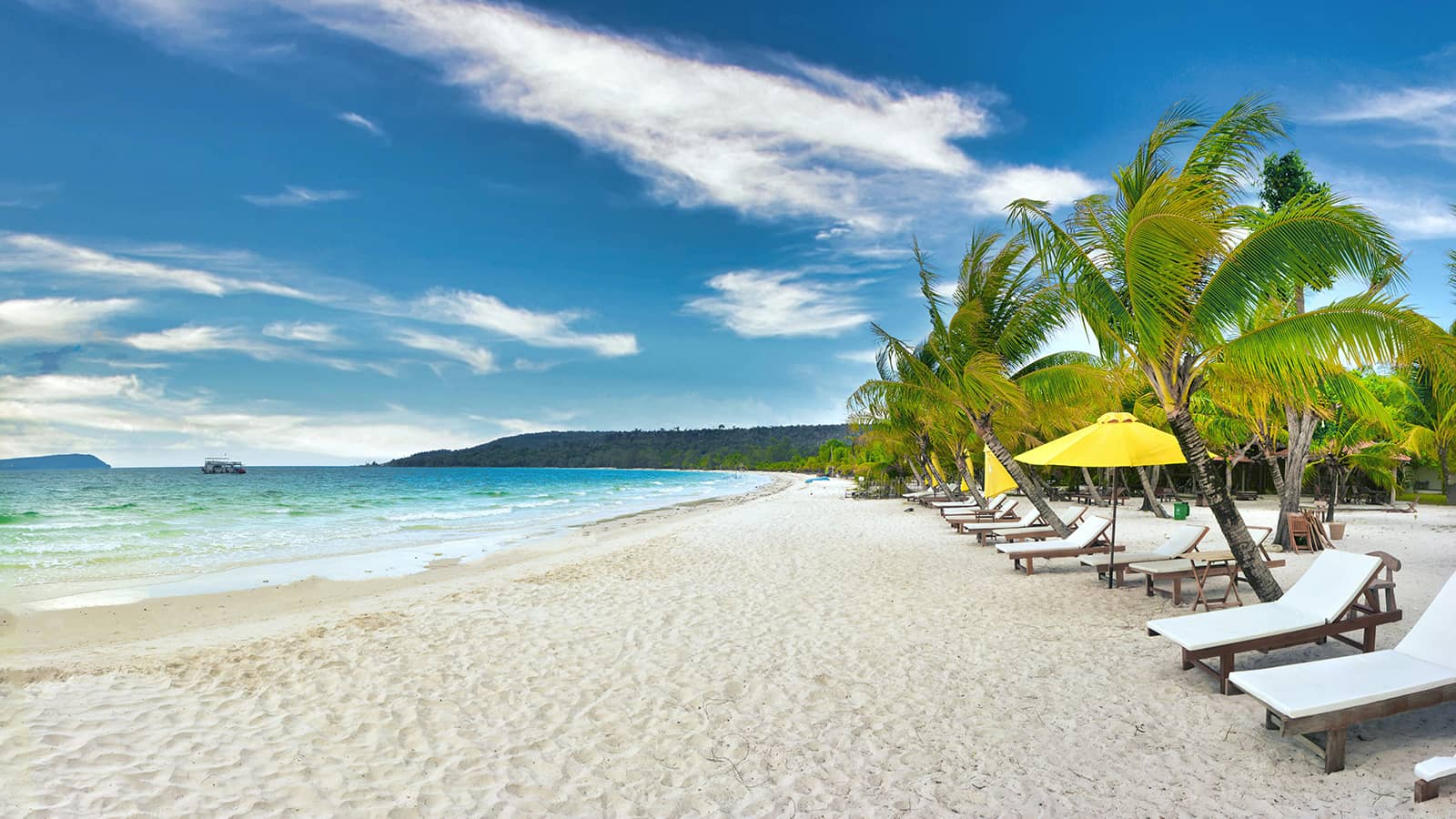
📷 Featured image by Vitalijs Barilo on Unsplash.