On this page
- The Bridge on the River Kwai and the Death Railway
- Erawan Falls and the National Park Waterfall Circuit
- Where to Base Yourself in Kanchanaburi
- Food and Drink: Where to Eat in Kanchanaburi
- Getting Around Kanchanaburi
- Day Trips Worth the Effort
- Evenings in Kanchanaburi
- Shopping in Kanchanaburi
- When to Go to Kanchanaburi
- Practical Tips for 2026
- 2026 Budget Breakdown
- Frequently Asked Questions
💰 Click here to see Thailand Budget Breakdown
💰 Prices updated: October, 2026. Budget figures are estimates — always verify before travel.
Exchange Rate: $1 USD = ฿33.60
Daily Budget (per person)
Shoestring: ฿900.00 – ฿1,800.00 ($26.79 – $53.57)
Mid-range: ฿2,150.00 – ฿4,000.00 ($63.99 – $119.05)
Comfortable: ฿6,000.00 – ฿12,000.00 ($178.57 – $357.14)
Accommodation (per night)
Hostel/guesthouse: ฿90.00 – ฿750.00 ($2.68 – $22.32)
Mid-range hotel: ฿1,400.00 – ฿3,500.00 ($41.67 – $104.17)
Food (per meal)
Budget meal: ฿70.00 ($2.08)
Mid-range meal: ฿250.00 ($7.44)
Upscale meal: ฿1,000.00 ($29.76)
Transport
Single metro/bus trip: ฿30.00 ($0.89)
Monthly transport pass: ฿1,155.00 ($34.38)
Kanchanaburi keeps showing up on “hidden gem” lists despite being one of Thailand‘s most visited provinces. The tension makes sense once you arrive: it’s simultaneously a sobering WWII memorial site, a national park gateway, and a lazy river town where guesthouses float on bamboo rafts. In 2026, visitor numbers have climbed again following the opening of a new highway bypass that cuts the drive from Bangkok from roughly three hours to just under two. That’s good news for logistics and bad news for anyone hoping to have Erawan Falls to themselves on a Saturday. Planning your timing is no longer optional — it’s essential.
The Bridge on the River Kwai and the Death Railway
The famous bridge sits about three kilometres north of Kanchanaburi town centre, and most first-time visitors are surprised by how ordinary it looks up close — black steel spans over brown water, a few souvenir sellers at either end, motorcycles waiting at the crossing. The weight of what happened here arrives through the museums, not the bridge itself.
The Thailand-Burma Railway Centre (TBRC) is the best place to start. It sits directly opposite the town’s war cemetery on Jaokannun Road and tells the full story of the 415-kilometre Death Railway, constructed by Allied POWs and Asian labourers under Japanese command between 1942 and 1943. The exhibitions are detailed, respectful, and genuinely moving. Admission in 2026 is 200 THB for adults, and the audio guide is worth the extra 100 THB — the personal testimony recordings stop you in your tracks.
Walk across the bridge itself — it’s open to pedestrians, and you step aside for the twice-daily tourist train that rumbles across it. Stand on the iron walkway and look downstream at the river bending through teak-forested hills, and you get a quiet moment that no photograph really captures.
The Kanchanaburi War Cemetery (Don-Rak) is two minutes on foot from the TBRC. Nearly 7,000 Allied soldiers are buried here in immaculate rows. The silence inside is complete, even when the street outside buzzes with tuk-tuks. Visit in the early morning — the low light falls across the headstones at a flat, golden angle, and you’ll likely have most of the grounds to yourself.
The JEATH War Museum on the riverbank is older and rawer than the TBRC — bamboo huts reconstructing the POW camps, rusting tools, and personal letters. It’s rougher around the edges but worth the 80 THB entrance fee for its emotional directness.
Erawan Falls and the National Park Waterfall Circuit
Erawan National Park’s seven-tiered waterfall system is the reason many people make the trip. The water here is a legitimately startling shade of turquoise-green — the calcium carbonate content turns it milky in the dry season and electric blue-green when the rains have recently passed. The smell of the jungle hangs heavy and wet, and the sound of cascading water follows you up the entire trail.
In 2026, the national park operates a timed-entry reservation system introduced to control peak-hour crowding. You book your slot online through the Thai National Parks app or website before arriving. Walk-ins are still permitted but only for whatever slot capacity remains — on weekends from December to February, this often means you’re turned away by 9:00. Book at least three days ahead.
Entry fees in 2026: 300 THB for foreign adults, 100 THB for Thai nationals. Children under 14 are 150 THB. The park opens at 08:00 and the last entry is 15:00.
The trail from the visitor centre to Tier 1 is flat and paved — families push strollers here. Tiers 2 and 3 are the most popular swimming spots, with clear pools and gentle enough flow to wade in safely. Tier 7, at the top, requires about 90 minutes of uphill hiking on a rocky path. It’s far less crowded and the pool at the top is deeper and colder. Wear shoes with grip — sandals work fine on the lower tiers but the rocks above Tier 4 are slippery.
Fish nibbling at your feet is unavoidable from Tier 2 upward — small, persistent freshwater fish that go straight for any dead skin. It feels strange for about ten seconds, then oddly pleasant.
Sai Yok Noi Falls, closer to the town of Sai Yok, is a smaller and far less crowded alternative. It drops directly onto the riverside and is accessible from the train platform at Sai Yok Noi station — you can watch it from the train window before you even get off.
Where to Base Yourself in Kanchanaburi
The town breaks into three distinct zones, and each suits a different style of visit.
River Kwai Road (Maenam Kwai Road)
This is the main traveller strip — a long road running parallel to the river with guesthouses, tour agencies, rental shops, and riverside restaurants packed tightly together. It’s lively but not loud. Most budget and mid-range accommodation sits here, and it’s within walking distance of both the bridge and the war cemetery. Best for first-time visitors who want easy access to everything.
Floating Guesthouses on the River
Kanchanaburi is famous for its raft houses — wooden or bamboo platforms moored to the riverbank, some basic, some surprisingly comfortable. Sleeping on one means waking to the sound of the river and fog sitting on the hills across the water. These are not luxury — expect small rooms, sometimes shared bathrooms, and occasional rocking in the night when a boat passes. But the experience is specific to Kanchanaburi and worth at least one night.
Kanchanaburi Town Centre
The actual town — markets, local restaurants, the bus terminal — sits south of the tourist strip. Quieter, cheaper, and less geared toward foreign visitors. Good if you’re staying a few days and want a more local pace, but you’ll need a bicycle or motorbike to reach the main sites.
Food and Drink: Where to Eat in Kanchanaburi
The night market on Sangchuto Road is the most reliable evening eating spot — it runs nightly from around 17:00 to 22:00 and has a long row of grilled meat stalls, pad thai carts, and papaya salad vendors. The smell of charcoal-grilled pork skewers hits you from half a block away. Prices are firmly local: 60–80 THB for a full plate, 30–40 THB for skewers.
The Kanchanaburi Weekend Walking Street (Saturday evenings on U-Thong Road) is bigger and more market-oriented, with local crafts and street food combined. Good for grazing while you walk.
For riverside dining, the strip of restaurants along Maenam Kwai Road ranges from Thai-Western fusion spots catering to backpackers to proper Thai kitchens with plastic chairs and fluorescent lights. Schluck Bar & Restaurant and several unnamed local spots with boats moored out front serve decent river fish — try the steamed fish with lemongrass and lime.
For coffee and breakfast, several small cafes have opened near the bridge area since 2025, run by younger Kanchanaburi locals. Look for them on the small sois off Maenam Kwai Road — simple espresso drinks, good toast with local jam, and a morning crowd of Thai cyclists.
Getting Around Kanchanaburi
The town centre and River Kwai Road are walkable if you’re staying in the right zone. For everything else, here are your realistic options:
- Bicycle hire: 60–100 THB per day from guesthouses along Maenam Kwai Road. Gets you to the bridge, war cemetery, and town easily. Not practical for Erawan (65 km away).
- Motorbike hire: 250–350 THB per day. Opens up Sai Yok, smaller waterfalls, and riverside roads. License required; police do check in 2026.
- Songthaews: Red shared trucks run fixed routes within town for 20–30 THB. Useful but irregular schedules.
- Minivans to Erawan: Depart from the bus terminal on Saengchuto Road from around 08:00. 50 THB one way, roughly 90 minutes. Return minivans stop by 17:00 — don’t cut it close.
- Grab: Available in Kanchanaburi town in 2026, though wait times can stretch to 20 minutes in the evening. More reliable than tuk-tuks for price predictability.
- The Death Railway train: Slow, scenic, and impractical for tight schedules but memorable. Stops at the bridge, Tham Krasae, and Nam Tok.
Day Trips Worth the Effort
Hellfire Pass (Konyu Cutting)
About 80 km northwest of Kanchanaburi, this section of the Death Railway was carved through solid rock by POWs working overnight by torchlight — hence the name. The Australian-run museum here is free and excellently curated. A walking trail follows the original railway cutting through jungle. Allow 3–4 hours total. Best reached by rented motorbike or private taxi (around 800–1,000 THB return).
Nam Tok by Train
The end of the existing Death Railway line, Nam Tok is a small town with access to Wang Badan Cave and a local waterfall. The journey is the point — the train creeps along the edge of a cliff above the Kwai Noi River at Tham Krasae with no barrier between you and the drop. Allow a full day.
Three Pagodas Pass
On the Myanmar border, about 230 km from Kanchanaburi town. A full-day trip minimum, better as an overnight. The border crossing has been open intermittently since 2024 due to ongoing instability in the border region — check current status before committing. The drive through Sangkhlaburi and the Mon village is scenic regardless.
Prasat Mueang Singh Historical Park
A 13th-century Khmer temple complex 43 km west of town, set in a quiet riverside park. Almost no crowds. Entry 100 THB. Easy by motorbike in under an hour.
Evenings in Kanchanaburi
Kanchanaburi is not a nightlife destination. That’s actually part of its appeal — evenings here are genuinely relaxed. The riverside bar strip on Maenam Kwai Road winds down by midnight on most nights. A handful of bars with live music (Thai pop, the occasional covers band) run until 23:00 or midnight. Cold Chang beer on a floating deck watching fireflies over the river is the evening activity that people actually remember.
A few spots to note: Jolly Frog remains a long-standing backpacker hub with an easy atmosphere. The floating restaurants south of the bridge do slow dinners with lanterns over the water — book ahead for tables on the water level rather than the upper deck.
Shopping in Kanchanaburi
Don’t come expecting boutique shopping. The town’s commercial interest lies in practical souvenirs and locally made goods.
- Gem and jewellery shops: Kanchanaburi province produces sapphires and rubies — the shops along Saengchuto Road and near the bus terminal sell both rough stones and set pieces. Bargain carefully and know what you’re looking at before spending.
- Hand-woven textiles: Karen hill tribe weaving is sold in shops along Maenam Kwai Road and at the weekend market. Quality varies widely — the tightly woven pieces with geometric patterns are the real thing.
- Night market souvenir stalls: Fridge magnets, Death Railway postcards, and the ubiquitous elephant-print trousers. Prices are fixed at most stalls.
- Local fruit: Kanchanaburi province grows excellent sugar cane, bananas, and tamarind. The fresh-cut sugar cane juice sold at market stalls is cold and genuinely refreshing after a day in the heat.
When to Go to Kanchanaburi
November to February is peak season — cooler temperatures (20–28°C), low humidity, and waterfalls still running well from the October rains. The River Kwai Bridge Week festival in late November (usually the last week) brings a son et lumière show at the bridge, historical exhibitions, and a large night market. It’s genuinely spectacular and genuinely crowded — book accommodation months ahead.
March to May is the hot, dry season. Erawan’s pools shrink, some smaller waterfalls stop flowing entirely, and temperatures push past 38°C. Not ideal, but cheaper and quieter. Visit waterfalls early morning.
June to October is the wet season. The jungle is lush, the waterfalls are dramatic, and the national park occasionally closes after heavy rainfall. The river can rise significantly in September and October. The light during rainy season has a particular quality — dramatic clouds, vivid greens, steam rising from the hills — that photographers often specifically seek out.
Practical Tips for 2026
- Online bookings for national parks: The Thai National Parks app now handles Erawan, Sai Yok, and several other parks in the region. Download it and register before you leave Bangkok.
- Dress at memorial sites: No specific dress code is enforced at the war cemetery or JEATH museum, but quiet, modest clothing is appropriate. You’ll notice it matters to other visitors.
- Water: Don’t drink tap water. Bottled water is 10–15 THB per litre at 7-Eleven stores throughout town.
- SIM cards: Buy in Bangkok before you travel — coverage in Kanchanaburi town is fine (AIS and DTAC both work), but it gets patchy northwest of Sai Yok.
- ATMs: Bangkok Bank and Kasikorn ATMs are available in town. Take cash before heading to the national parks — card machines at park entrances are unreliable.
- Tipping: Not obligatory but welcomed at guesthouses and local restaurants. 20–50 THB is appropriate for table service meals.
- Safety: Kanchanaburi is safe. The main risks are traffic (motorbike accidents on mountain roads) and sun exposure. Wear a helmet; rent from a shop that provides one.
2026 Budget Breakdown
What a day in Kanchanaburi actually costs, by how you travel:
Budget (300–700 THB per day)
Dorm bed in a guesthouse on Maenam Kwai Road: 200–300 THB. Three meals from market stalls and food carts: 150–200 THB. Minivan to Erawan and entry fee: 350 THB one day. Bicycle hire: 80 THB. War cemetery and TBRC: 200 THB entry. This tier is very workable — Kanchanaburi rewards budget travellers.
Mid-Range (1,500–2,500 THB per day)
Private room with air-con at a riverfront guesthouse or small hotel: 700–1,200 THB. Meals at sit-down riverside restaurants: 200–400 THB each. Private minibus or tour for day trips: 600–900 THB. National park entries included. Comfortable without being extravagant.
Comfortable/Upscale (3,500–6,000 THB per day)
Resort accommodation on the river (Felix Kanchanaburi or similar): 2,500–4,500 THB per night. Private driver for day trips: 1,500–2,000 THB. Fine dining riverside dinner: 600–1,000 THB per person. Spa treatments are available at the larger resorts from around 800 THB per session. Kanchanaburi doesn’t have five-star Bangkok luxury, but it has genuine comfort at reasonable prices relative to the capital.
Frequently Asked Questions
How do I get from Bangkok to Kanchanaburi?
The fastest option in 2026 is a minivan from Bangkok’s Mo Chit (Northern Bus Terminal) or Victory Monument — roughly 2 hours on the new bypass highway, 120–160 THB. Public buses depart from the Southern Bus Terminal (Sai Tai Mai) and take around 2.5 hours. The train from Thonburi station is scenic but slow — allow 3.5 hours for the journey.
Is Erawan Falls worth visiting in the dry season?
Yes, but temper expectations. From February to May the flow decreases and a few upper tiers become a trickle. The lower pools still have water and remain swimmable. The best waterfall conditions are October through January when flow is strong from recent rains but the heavy downpours have passed. Timed entry bookings are still required year-round.
How many days should I spend in Kanchanaburi?
Two full days covers the core: WWII sites on day one, Erawan on day two. Three days lets you add the Death Railway train journey and Hellfire Pass. Four or five days works well if you want to include Three Pagodas Pass or simply want a slow, unhurried pace along the river without rushing every attraction.
Can I visit Kanchanaburi as a day trip from Bangkok?
Technically yes — the drive is under two hours each way in 2026. But you’d be choosing between the WWII sites or Erawan Falls, not both. A day trip works for the bridge and museums. A night or two away is strongly recommended if Erawan is on your list, since the park’s 15:00 last entry cuts your day short if you’re driving from Bangkok same morning.
Is the Bridge on the River Kwai the original bridge?
Partly. The original wooden bridge was destroyed by Allied bombing in 1945. The curved steel spans were brought in from Java after the war — those are original Japanese-era spans relocated here. The squarer end sections are postwar replacements. The railway tracks across it are genuine, and the twice-daily tourist trains still cross it, which gives the structure a working authenticity that a pure reconstruction wouldn’t have.
Explore more
Chiang Mai Shopping Guide: Best Markets, Malls & Handicrafts
Chiang Mai Old City Guide: Temples, Markets & Where to Stay
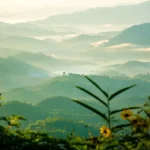
📷 Featured image by Vitalijs Barilo on Unsplash.