On this page
- The Thai Calendar: Buddhist Era, Two New Years, and Why Dates Shift
- The Big Three: Songkran, Loy Krathong, and Yi Peng Explained
- Royal and National Holidays: What Actually Closes and When
- Buddhist Holy Days: Makha Bucha, Visakha Bucha, and the Alcohol Ban
- The Vegetarian Festival: Phuket’s Nine Days of Fire and Faith
- 2026 Budget Reality: How Holiday Seasons Affect Your Costs
- Practical Logistics: Transport, Bookings, and What to Expect on the Ground
- Frequently Asked Questions
Planning a trip to Thailand in 2026 without checking the public holiday calendar first is one of the most common mistakes travellers make. Flights sell out weeks in advance, hotels triple their rates, alcohol disappears from shelves without warning, and entire city centres transform overnight — sometimes in ways that are breathtaking, sometimes in ways that are genuinely chaotic. This guide cuts through the confusion so you know exactly what to expect, when to expect it, and how to make smart decisions around Thailand’s most significant public holidays.
The Thai Calendar: Buddhist Era, Two New Years, and Why Dates Shift
Thailand officially uses the Gregorian calendar for business and government, but the Buddhist Era (BE) calendar runs alongside it in daily life. In 2026, the Buddhist year is BE 2569. This matters because several religious holidays are calculated using the lunar calendar, which means their Gregorian dates shift by a week or two every year. If someone tells you Makha Bucha is always in February, they’re giving you an approximate answer — the actual date changes annually.
Thailand also observes two distinct New Year celebrations. The Gregorian New Year on January 1 is a public holiday with fireworks and city celebrations, particularly in Bangkok’s Ratchaprasong and Silom areas. Then in April comes Songkran, the traditional Thai New Year — a three-day national holiday that is orders of magnitude more significant culturally and logistically.
The Royal Thai Government publishes an official list of public holidays each year, and in 2026 a handful of substitution days apply. When a public holiday falls on a weekend, Thai law typically grants a compensatory day off on the following Monday. Always cross-reference the official gazette if you’re travelling for business or booking around specific dates.
The Big Three: Songkran, Loy Krathong, and Yi Peng Explained
These three festivals draw the largest crowds, generate the most travel disruption, and offer the most memorable experiences in the Thai calendar year.
Songkran — Thai New Year Water Festival (April 13–15)
Songkran is Thailand’s most iconic festival and one of the largest water fights on the planet. The official dates are April 13, 14, and 15, though celebrations in popular tourist areas like Chiang Mai’s Moat Road, Bangkok’s Silom and Khao San Road, and Pattaya’s Beach Road often stretch for five to seven days. The original tradition involves gently pouring water over the hands of elders as a gesture of respect and cleansing for the new year. What you experience on the streets today is something far more exuberant — water guns, pickup trucks loaded with ice-cold water, and entire neighbourhoods transformed into joyful chaos.
Standing on Chiang Mai’s moat road during peak Songkran, the air smells of wet pavement and jasmine garlands, and the sound of traditional salaw string music competes with the shrieking laughter of locals and tourists alike — it is genuinely impossible not to smile. Cultural observances continue alongside the street celebrations: temple merit-making, the gentle Buddha image bathing ceremony, and the beautiful sand chedi construction at temple grounds.
What travellers must understand: this is a major transport holiday. Buses, trains, and domestic flights are fully booked one to three weeks in advance. Prices spike significantly. Bangkok empties as millions of Thais return to their home provinces — the city becomes unusually quiet and navigable if you stay, while the highways become genuinely dangerous due to accident rates.
Loy Krathong — Floating Festival (November)
Loy Krathong falls on the full moon of the twelfth lunar month, which places it in November. In 2026 it falls in early November. The tradition involves releasing a krathong — a small float made from banana trunk sections, decorated with flowers, incense, and candles — onto rivers, canals, and lakes. The symbolism is one of releasing grievances and bad luck while making wishes for the year ahead.
At Sukhothai, the ancient capital where the festival is believed to have originated, the celebration unfolds over several days with traditional light and sound shows, traditional dance performances, and thousands of krathong bobbing on the Ramkhamhaeng reservoir — the reflection of candlelight on still dark water is the kind of image that stays with you long after you’ve left Thailand.
Yi Peng — Chiang Mai’s Sky Lantern Festival (November)
Yi Peng coincides with Loy Krathong in the north and is specific to Lanna culture. Chiang Mai is the centre of this celebration, where khom loi — paper lanterns with a small flame — are released into the night sky by the thousands. The mass lantern release creates a sight that defies easy description: a river of warm light rising slowly above the city’s temple spires into a clear November night.
In 2026, the mass commercial lantern releases near Chiang Mai continue to be tightly regulated due to aviation safety rules around Chiang Mai International Airport. The Civil Aviation Authority of Thailand maintains restrictions on the timing and location of large releases. The Mae Jo release — a privately organized event associated with a university north of the city — operates under special permits. Book any organized lantern event extremely early; tickets sell out months in advance.
Royal and National Holidays: What Actually Closes and When
Thailand’s royal and national holidays are observed with genuine reverence, and their practical impact on daily life is significant.
- Chakri Day — April 6: Commemorates the founding of the Chakri dynasty and the reign of King Rama I. Government offices, banks, and many businesses close. In 2026, April 6 falls close to Songkran, creating an extended travel period that heavily pressures transport networks.
- Coronation Day — May 4: Marks the coronation of King Vajiralongkorn (Rama X). A national public holiday observed with flag displays and official ceremonies.
- HM the Queen’s Birthday — June 3: Queen Suthida’s birthday is a national holiday. Public buildings are illuminated and Mother’s Day celebrations are incorporated in some communities.
- HM the King’s Birthday — July 28: Birthday of King Vajiralongkorn. One of the most visually prominent holidays — Bangkok’s Ratchadamnoen Avenue and the Grand Palace area are extensively decorated with yellow lights and royal portraits. Major shopping areas and many businesses remain open, but government offices close.
- National Day / Father’s Day — December 5: Marks the late King Bhumibol Adulyadej’s birthday, observed as National Day and Father’s Day. Ceremonies take place nationwide; the reverence for King Bhumibol remains profound across Thai society.
- Constitution Day — December 10: Commemorates the first permanent constitution of Thailand in 1932. A quieter holiday with minimal tourist impact.
- New Year’s Eve — December 31: Not a Buddhist or royal holiday but a significant public holiday. Bangkok hosts large countdown events at CentralWorld and along the Chao Phraya River.
A critical rule for all royal holidays: public criticism of the monarchy is prohibited under strict lèse-majesté laws (Section 112 of the Thai Criminal Code). These laws are enforced and apply to foreigners. Treat royal occasions with the same respect Thai citizens show — this is not an area for casual commentary.
Buddhist Holy Days: Makha Bucha, Visakha Bucha, and the Alcohol Ban
Thailand’s majority Buddhist population observes several holy days throughout the year that have direct, practical consequences for travellers — particularly around alcohol sales.
Makha Bucha (February)
Makha Bucha falls on the full moon of the third lunar month, typically in February. In 2026 it falls in late February. The holiday commemorates a spontaneous assembly of 1,250 monks before the Buddha, who delivered a key teaching on the core principles of Buddhism. Temples across Thailand hold candlelit circumambulation ceremonies (wien tian) at dusk — three clockwise circuits around the main hall, each monk holding a lit candle, flowers, and incense. In Chiang Mai and Bangkok’s Wat Phra Kaew, these ceremonies are genuinely moving to observe, even for non-Buddhists.
Visakha Bucha (May)
Visakha Bucha — considered the most sacred day in the Buddhist calendar — marks the birth, enlightenment, and death of the Buddha, all believed to have occurred on the same full-moon day of the sixth lunar month. In 2026 it falls in May. Temples are busy from morning onwards; again, the evening wien tian is the centrepiece of the day’s observances.
Asanha Bucha and Buddhist Lent (Khao Phansa) — July
Asanha Bucha, on the full moon of the eighth lunar month, marks the Buddha’s first sermon. The following day begins Khao Phansa — Buddhist Lent — a three-month period during which monks traditionally remain in their temples to study and meditate. Ordination ceremonies spike during this period and you’ll see more monks than usual at temples nationwide.
The Alcohol Ban: What Travellers Consistently Underestimate
On Buddhist holy days — specifically Makha Bucha, Visakha Bucha, Asanha Bucha, and the first day of Khao Phansa — the Thai government prohibits the sale of alcohol nationwide. This ban covers convenience stores, supermarkets, restaurants, and most bars. Hotels with licensed restaurants are sometimes permitted to serve alcohol to registered guests, but this varies by property and year. In 2026, these rules remain in effect and are enforced.
If you plan to drink on these evenings, stock up the day before. The ban typically runs from midnight to midnight on the holy day itself.
The Vegetarian Festival: Phuket’s Nine Days of Fire and Faith
The Vegetarian Festival — known in Thai as Tesagan Gin Je — is a nine-day Taoist Chinese religious event observed primarily in Phuket Town and southern Thailand’s Chinese-Thai communities. In 2026 it falls in October, running for nine days beginning on the first day of the ninth lunar month.
This is not a food festival in the conventional sense. The culinary centrepiece is a strict vegan diet observed by devotees as a form of spiritual purification — yellow flags outside restaurants and food stalls indicate je (vegan) options are available, and the variety and quality of plant-based food during this period is extraordinary. But the festival is most famous — or infamous — for its street processions featuring mah song: spirit mediums who pierce their cheeks, tongues, and bodies with skewers, swords, and elaborate objects as a demonstration of divine protection and to absorb community misfortune.
The atmosphere in Phuket Town during the festival is unlike anything else in Thailand. The air carries the sharp, sulphurous scent of spent firecracker casings, and the sound of crashing cymbals and drums announces each procession from streets away. Observers line the roads to receive blessings from the mah song as they pass.
For travellers: this is a deeply religious event, not a performance. Dress modestly when observing processions. Pregnant women and menstruating women are traditionally asked not to stand directly in the path of processions — follow local guidance. If you are invited to eat at a festival stall, accept graciously — the food is genuinely excellent and the hospitality is warm.
2026 Budget Reality: How Holiday Seasons Affect Your Costs
Thai public holidays create predictable price surges that travellers who plan ahead can mostly avoid — or at least budget for.
Songkran (April 13–15)
- Budget: Guesthouse dorm beds in Chiang Mai rise from around THB 300–400 per night to THB 600–900 during peak Songkran week.
- Mid-range: A standard double room at a decent Chiang Mai hotel that costs THB 1,200–1,800 in low season will commonly list at THB 3,500–5,000 during Songkran.
- Comfortable: Boutique hotels and riverside properties in Bangkok can reach THB 8,000–15,000+ per night during the core festival days.
- Domestic flights on the April 13–15 core dates see surcharges of THB 800–2,500 above standard pricing depending on route and airline.
Loy Krathong / Yi Peng (November)
- Budget: Chiang Mai hostel beds run THB 400–700 per night during the festival week.
- Mid-range: Standard double rooms in Chiang Mai’s Nimman or Old City areas: THB 2,500–4,500 per night.
- Comfortable: The better boutique properties along the Ping River charge THB 5,000–10,000 per night during full moon week.
New Year’s Eve (December 31)
- Budget: Bangkok guesthouse rooms in the Khao San Road area: THB 700–1,200 per night.
- Mid-range: Sukhumvit area hotels: THB 3,000–6,000 per night.
- Comfortable: Riverside hotels with Chao Phraya views: THB 10,000–25,000 per night on December 30–31.
General rule: book accommodation at least six to eight weeks in advance for any major festival. Train and bus tickets for Songkran sell out even faster — the State Railway of Thailand opens Songkran bookings approximately 60 days prior, and popular routes (Bangkok to Chiang Mai, Bangkok to Surat Thani) fill within hours.
Practical Logistics: Transport, Bookings, and What to Expect on the Ground
Transport
Bangkok’s BTS Skytrain and MRT metro systems run extended hours during major festivals — in 2026 this includes Songkran and New Year’s Eve. The BTS network, now expanded through its Bang Wa–Tha Phra and Kheha extensions, handles the festival crowds reasonably well, but expect severe crowding on the night of major events. Ride-hail services (Grab remains dominant in Thailand in 2026) surge-price aggressively during festival nights — sometimes three to five times standard rates. If you’re heading out on Songkran night or New Year’s Eve, either walk or accept that the taxi situation will be frustrating.
Long-distance buses operated by Transport Company (Bor Kor Sor) are often the last transport option to sell out for major holidays. The Southern Bus Terminal and Mo Chit Northern Bus Terminal in Bangkok are chaotic during Songkran departure days — arrive well before your scheduled departure.
Banks and ATMs
Banks close on all public holidays. ATMs remain operational but can run out of cash during major festivals in popular tourist areas — particularly on islands like Koh Samui, Koh Phangan, and Koh Lipe, where cash resupply logistics are more complex. Carry enough baht to last at least two days beyond any public holiday.
Pharmacies, Hospitals, and Essential Services
Government hospitals operate with reduced staff on public holidays but maintain emergency services. Private hospitals (Bangkok Hospital, Bumrungrad, Samitivej) maintain fuller schedules. Large pharmacy chains like Boots and Watsons typically stay open in major tourist areas even on public holidays, though hours may be reduced.
What’s Open, What’s Not
Shopping malls — CentralWorld, Siam Paragon, Terminal 21 — generally remain open on most public holidays, sometimes with extended hours during festivals. Government offices, immigration offices, banks, and most official services close. Markets and street food stalls typically remain active during festivals, often with increased food vendor presence rather than less.
Frequently Asked Questions
When exactly is Songkran 2026 and how long does it actually last?
The official Songkran public holiday runs April 13, 14, and 15, 2026. In practice, street celebrations begin on April 12 and continue through April 16 or 17 in major tourist areas like Chiang Mai and Pattaya. Bangkok’s celebration is concentrated around Silom and Khao San Road and runs the core three days most intensely.
Can I buy alcohol on Thai Buddhist holidays?
No — alcohol sales are banned nationwide on Makha Bucha, Visakha Bucha, Asanha Bucha, and the first day of Khao Phansa. The ban covers shops, restaurants, and bars. Some hotels serve alcohol to in-house guests, but this varies. Stock up the day before these dates to avoid frustration.
Is it safe to travel during Songkran?
Songkran is safe for tourists in festival areas. The main risk is on highways — the Songkran period is statistically Thailand’s most dangerous time on the roads due to increased traffic and drink-driving incidents. If you must travel between cities during the core three days, domestic flights are significantly safer than long-distance buses or self-driving.
Do Thai public holidays affect visa runs or immigration services?
Yes. Immigration offices close on all Thai public holidays. If your visa deadline falls on or just after a public holiday, do not assume you can process it on the holiday — plan several days in advance. In 2026, Thailand’s digital visa system (launched incrementally since 2024) handles some application steps online, but in-person stamps and border crossings still depend on immigration office hours.
Which festival is best for first-time visitors to Thailand?
Loy Krathong combined with Yi Peng in Chiang Mai offers the most universally accessible and visually stunning experience for first-timers. It requires less physical resilience than Songkran (you won’t get soaked unless you want to), the cultural meaning is clearly visible, and November’s cooler temperatures make it one of the most comfortable times to be in northern Thailand.
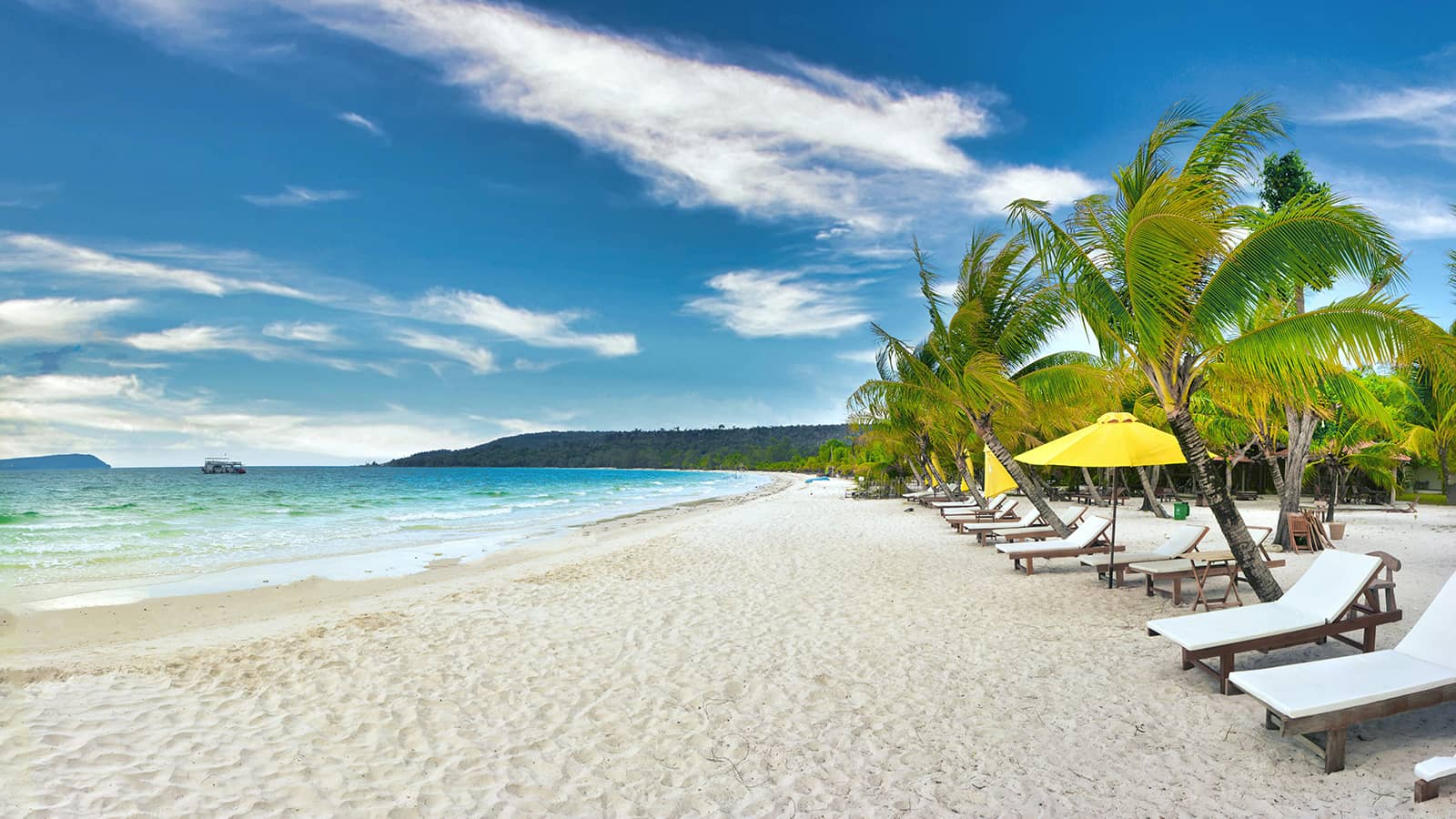
📷 Featured image by Ole Thronborg on Unsplash.