On this page
- What Makes Songkran Uniquely Risky (and Uniquely Rewarding)
- Physical Safety: Navigating the Water Fight Zones
- Road Safety During Songkran: Thailand’s Deadliest Week
- Protecting Your Belongings in the Chaos
- Health and Hygiene Risks Most Tourists Don’t Consider
- How to Participate Respectfully Without Offending Locals
- 2026 Budget Reality: What Songkran Actually Costs
- What Has Changed for Songkran 2026
- Frequently Asked Questions
Songkran 2026 falls on April 13–15, and if you’re planning to be in Thailand for it, you’ve probably heard two very different things: that it’s the most joyful street party on earth, and that it’s also when Thailand’s roads turn genuinely dangerous. Both are true. The real question isn’t whether Songkran is fun — it absolutely is — but whether you walk into it knowing what you’re actually dealing with. Millions of tourists join every year without any real preparation and most have a brilliant time, but a small number end up with stolen phones, waterlogged cameras, eye infections, or worse. This guide is about closing that gap.
What Makes Songkran Uniquely Risky (and Uniquely Rewarding)
Songkran is Thailand’s New Year celebration, rooted in ancient Brahmin and Buddhist tradition. The water throwing that defines modern Songkran originally represented a gentle, ceremonial cleansing — washing away the previous year’s misfortunes. Today, in cities like Bangkok’s Silom Road or Chiang Mai’s Old City moat road, it has become an all-out water war lasting several days, sometimes stretching well beyond April 15 in tourist-heavy areas.
What makes it both magical and genuinely unpredictable is the same thing: you are in a public space with hundreds of thousands of people, absolutely soaked within seconds of stepping outside, surrounded by strangers armed with high-powered water guns, buckets of iced water, and occasionally white chalk paste smeared across your face. The sensory overload is real — the roar of pickup trucks packed with people blasting sound systems and hurling water, the sharp cold hit of ice water from a bucket dumped over your head before you’ve even registered someone approaching, the smell of street food smoke mixing with sunscreen and wet concrete.
The risk comes from that same density and intensity. Crowd crushes, slippery streets, impaired judgment from alcohol, and opportunistic theft all peak during Songkran. None of this should stop you from going. It should stop you from going unprepared.
Physical Safety: Navigating the Water Fight Zones
The main water fight zones in major cities — Silom in Bangkok, the moat road (Thanon Manee Nopparat) in Chiang Mai, Walking Street in Pattaya — draw enormous crowds. Being in those crowds is fun, but there are specific physical risks to manage.
Eye Protection
This is the most underrated safety item for Songkran. Water guns are powerful in 2026, and some people use them at close range directly at faces. Pressurised streams at close quarters can cause real eye irritation or surface abrasions. Cheap swimming goggles or sports glasses solve this completely. Pharmacies and convenience stores near the festival zones stock basic goggles, but they sell out fast — buy them before April 13.
Footwear and Footing
Streets are ankle-deep in water for hours. Flip-flops are the instinct, but they provide zero grip on wet tiles or pavement that has become greasy with spilled food, sunscreen, and vehicle residue. Rubber-soled sandals with a strap across the heel — water shoes, diving sandals, or even old trail sandals — give you real grip without ruining expensive footwear. Falls are one of the most common Songkran injuries, especially at night when tired people are still navigating wet streets.
Alcohol and Heat
April is Thailand’s hottest month. In Bangkok, expect 36–40°C. Combine direct sun, high humidity, constant physical activity, and alcohol — which large numbers of participants consume freely — and heatstroke becomes a real possibility. If you’re drinking, match every beer or cocktail with water. Find shade every 30–45 minutes. Know the signs of heatstroke: confusion, stopping sweating despite the heat, rapid heartbeat.

Road Safety During Songkran: Thailand’s Deadliest Week
This section deserves its own honest treatment because the statistics are not minor. Thai authorities record Songkran as one of the most dangerous road periods of the year — historically called the “Seven Dangerous Days.” In 2025, despite government crackdowns, there were over 300 road fatalities across the country during the festival period. In 2026, increased enforcement checkpoints have been deployed, but the underlying risk factors remain.
Why the Roads Get So Dangerous
Several things converge at once. Tens of millions of Thais travel home to their provinces, creating traffic volumes the road network strains to handle. Drunk driving incidents spike sharply. People ride motorcycles while actively participating in water fights — throwing water, getting water thrown at them — with reduced visibility and reaction time. In rural areas, pickup trucks loaded with people in the bed, music blaring, sometimes with alcohol being consumed, are common sights and involved in a disproportionate share of serious accidents.
How Tourists Should Manage Road Risk
- Avoid intercity road travel on April 12–16. If you need to travel between cities, fly or use the train. The roads during this window are statistically the most dangerous of the year.
- Do not rent a motorbike during Songkran unless you are an experienced rider and genuinely understand Thai traffic. Water-impaired visibility, wet roads, and distracted drivers make this a serious risk even for experienced riders.
- Use rideshare apps (Grab) or metered taxis rather than renting vehicles. In city centres, walking within the festival zone is almost always safer and more practical anyway.
- If you are in a vehicle that gets targeted with water as you drive — which happens constantly — pull over briefly if your visibility is impaired. Do not try to accelerate through it.
Protecting Your Belongings in the Chaos
Theft during Songkran is opportunistic and volume-based. With enormous crowds, wet and distracted people, and phones constantly being pulled out to film, pickpockets operate efficiently. The water also creates its own category of loss — electronics, documents, and cash that get soaked or simply dropped in the chaos.
What to Leave at Your Hotel
Your passport (carry a phone photo of the ID page and your visa stamp instead), your good camera, anything irreplaceable. Seriously. If you want to photograph Songkran, use a waterproof action camera or a phone with a proper waterproof case — not a standard case, a purpose-built waterproof housing. Standard water-resistant phone ratings are not designed for full submersion or high-pressure water streams aimed directly at your device for hours.
Waterproof Pouches and Bags
A proper dry bag or waterproof chest pouch worn under your shirt is the gold standard. These cost between 150–400 THB at markets and convenience stores near festival zones. Put your phone, some cash, and your key card inside. That’s all you need on your person. Do not carry a normal backpack — it will be soaked within minutes and offers no security in a crowd.
Cash Management
ATMs near Songkran zones develop long queues and sometimes run out of cash by mid-afternoon on peak days. Withdraw enough cash before April 13 to cover 2–3 days. Keep large bills separate from spending cash. Many vendors in wet zones are cash-only, as card readers don’t survive the environment well.
Health and Hygiene Risks Most Tourists Don’t Consider
This is the section most Songkran guides skip entirely, which is a mistake. The water used in street fights is not clean water. In Bangkok and Pattaya especially, it comes from large tanks, containers, canals, and in some areas, from sources that are not treated. After 12 hours of city-wide water fighting on a hot day, the water in the streets is a mixture of everything you’d expect from a city that hasn’t had drainage built for this volume.
Water-Borne and Contact Risks
Ear infections from water trapped in the ear canal are common after Songkran, particularly among those who spend multiple days in the thick of it. Bring small silicone ear plugs as a simple solution. Eye infections from contaminated water are also reported annually — which loops back to wearing goggles. Avoid swallowing any water from street fights. This sounds obvious, but in chaotic moments it happens.
Skin and Wound Care
If you have any open cuts or abrasions, cover them properly with waterproof dressing before entering water fight zones. Prolonged exposure to contaminated water in an open wound can lead to infections that escalate quickly in Thailand’s heat. Pharmacies (the green-cross chain stores are everywhere) sell waterproof wound dressings for around 40–80 THB per pack.
The White Powder Paste
In some areas, particularly in more traditional celebrations, people apply white talcum paste or coloured powder to your face and body as a blessing. This is generally harmless but can irritate sensitive skin or eyes. If someone approaches your face with paste, it’s perfectly acceptable to hold up your hand and say mai ao (no thank you) politely. Most Thais will respect that immediately.
How to Participate Respectfully Without Offending Locals
Songkran is a Buddhist New Year. The water-throwing street party is the modern tourist face of it, but the traditional elements still matter deeply to most Thai families. Understanding that boundary makes you a better participant and keeps the experience from becoming something that locals resent.
The Temple Side of Songkran
In the mornings — especially April 13 and 14 — many Thais visit temples to make merit, pour scented water over Buddha images, and participate in Rod Nam Dam Hua, a ceremony where younger family members pour water over the hands of elders as a sign of respect and receive blessings in return. These are genuinely moving scenes. If you visit temples during Songkran, dress modestly (cover shoulders and knees), remove shoes before entering, and do not treat temple grounds as a water fight zone. Some temples have designated areas where the water blessing ritual is performed — you can respectfully observe or participate when invited.
Who You Can and Cannot Throw Water At
In the street party zones, anyone is fair game if they’re already in the thick of it. But monks, elderly people who aren’t participating, people in traditional dress, and anyone visibly trying to avoid the water should be left alone. Throwing water at someone who clearly doesn’t want it is rude at best and potentially worse — a monk being doused is considered genuinely offensive and you will draw sharp reactions.
The Wai and Blessing Element
When someone pours water gently and deliberately over your hands while giving a small bow, they are performing a blessing. Receive it graciously with a slight nod or a wai (palms together at chest level). Do not laugh it off or film it dismissively. These small moments of actual tradition inside the larger chaos are worth pausing for.
2026 Budget Reality: What Songkran Actually Costs
Songkran is not an expensive festival to participate in at the street level — but the surrounding costs of being in Thailand during peak tourism week add up quickly.
Festival Gear
- Water gun (basic): 80–150 THB
- Water gun (large, high-powered): 200–450 THB
- Waterproof phone pouch: 150–300 THB
- Swimming goggles (basic): 60–150 THB
- Dry bag (5–10 litre): 250–500 THB
Daily Spending by Tier
Budget traveller: 800–1,200 THB per day. Street food, water gun from a market stall, cheap guesthouse outside the prime zone, walking everywhere.
Mid-range traveller: 2,000–3,500 THB per day. Comfortable hotel within the festival zone or near BTS, mix of sit-down restaurants and street food, drinks at one of the outdoor bars along the route, Grab rides.
Comfortable traveller: 5,000–10,000+ THB per day. Central hotel (expect 30–50% price surges compared to regular April rates), rooftop bar access for festival views, private experiences, airport transfers.
The Accommodation Surge
Hotel prices during Songkran week in Bangkok, Chiang Mai, and Phuket are significantly higher than normal. In 2026, hotels in the Silom and Sukhumvit areas of Bangkok are booking at 2–3 times regular April rates. Book by January at the latest for the best pricing — by March, availability in well-located properties is extremely limited.
What Has Changed for Songkran 2026
Several meaningful changes affect how tourists experience Songkran in 2026 compared to previous years.
Extended festival recognition: Following UNESCO’s formal recognition of Songkran as an Intangible Cultural Heritage element, the Thai government has placed renewed emphasis on promoting the traditional aspects of the festival alongside the water fights. In 2026, several cities — including Chiang Mai — have designated specific morning hours as “traditional zones” where water fighting is not permitted, preserving space for temple activities and elder blessing ceremonies.
Alcohol restrictions tightened: In 2026, Bangkok authorities have enforced stricter no-alcohol rules in specific sections of the Silom water fight corridor during designated daytime hours. Police presence is heavier than in previous years, and open alcohol consumption in restricted zones results in on-the-spot fines. The rules vary by zone and hour — check Bangkok Metropolitan Administration announcements in the days before the festival for the current map.
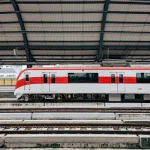
Bangkok BTS and MRT expansion: The extended BTS Dark Green Line and the MRT Orange Line sections that opened in late 2025 make it significantly easier to access festival zones from a wider range of accommodation. This means tourists staying further from the centre can still reach Silom or Asok within 20–30 minutes without navigating traffic.
Water source regulations: After years of complaints about water quality in some zones, Bangkok and Chiang Mai municipalities in 2026 have introduced requirements for large water tanks at official festival stations to use treated water. Enforcement varies in practice, but the water quality in formally designated zones has improved compared to 2024.
Digital entry records: Thailand’s updated tourism entry system, which moved to a fully digital arrival card in 2025, means your visa and entry details are accessible digitally — relevant if your physical documents get water damaged. Keep a secure cloud backup of all travel documents before you enter the festival zones.
Frequently Asked Questions
Is Songkran safe for solo female travellers?
Generally yes, but with caveats. The dense crowds and water chaos can create cover for groping — this is reported annually, particularly in Pattaya and some Bangkok zones. Stay in well-lit, densely populated areas, move with a group where possible, and trust your instincts about when a situation feels wrong. Chiang Mai’s celebrations tend to be less aggressively chaotic than Bangkok’s or Pattaya’s.
Can I refuse to get wet during Songkran?
Inside the main festival zones, refusing to get wet is not practical — you will be soaked within minutes regardless. If you genuinely don’t want to participate, avoid those zones entirely, especially on April 13 and 14. Shopping malls, museums, and many indoor venues operate normally and provide complete shelter from the water fights outside.
Is it safe to drink tap water or water from the street fights?
Never drink tap water in Thailand, and absolutely do not swallow water from street fights. The water used in Songkran street celebrations is not safe to consume. Carry a sealed water bottle and buy bottled water (10–20 THB for 600ml) from nearby convenience stores, which are stocked heavily during festival days.
What should I wear to Songkran?
Light, quick-drying clothes you don’t mind getting completely soaked and potentially stained. Synthetic fabrics dry faster than cotton. Avoid white clothing — wet white fabric becomes transparent and you’ll be uncomfortable. Bright colours are popular and fit the festive spirit. Secure footwear with grip is more important than what’s on top.
Which city is best for Songkran if I want a safer, more traditional experience?
Chiang Mai is the most popular answer, and for good reason. The Old City moat road provides a natural circuit for water fights, but the city also maintains strong traditional Songkran observances — temple visits, elder blessing ceremonies, and cultural events. It’s still very busy and chaotic, but less aggressive in character than Bangkok’s Silom or Pattaya’s Walking Street.
📷 Featured image by Waranont (Joe) on Unsplash.