On this page
- Who Actually Needs a Visa on Arrival — and Who Doesn’t
- VOA Eligibility: Which Countries Qualify in 2026
- Documents You Must Have Before You Land
- Step-by-Step: The VOA Process at Suvarnabhumi and Don Mueang
- E-VOA: Apply Online Before You Fly
- Tourist Visa (TR): The Right Option for Longer Stays
- Land Border Crossings: Different Rules Apply
- 2026 Budget Reality: What Entry Into Thailand Actually Costs
- Common Mistakes That Get Tourists Turned Away or Delayed
- Frequently Asked Questions
Thailand‘s entry rules trip up more tourists than you’d expect — not because they’re complicated, but because the information online is often outdated or mixes up three completely different systems: visa-exempt entry, Visa on Arrival, and the Tourist Visa. In 2026, the rules are cleaner than they’ve been in years — the old Thailand Pass is long gone, biometric scanning has sped up the immigration queue, and the E-VOA system has matured into a genuinely useful tool. But if you show up at Suvarnabhumi without the right documents, or if you’re carrying a passport from a country that doesn’t qualify for VOA at all, the consequences range from a long delay to being sent home. This guide cuts through the noise and tells you exactly what to do based on your nationality and your situation.
Who Actually Needs a Visa on Arrival — and Who Doesn’t
The first thing to understand is that most Western tourists do not need a Visa on Arrival at all. If you hold a passport from the United States, United Kingdom, Canada, Australia, New Zealand, or most EU countries — including France, Germany, Spain, Italy, the Netherlands, and others — you are already on Thailand’s visa-exempt list. That means you walk off the plane, hand your passport to the immigration officer, and get a 30-day stamp without paying anything or filling out a VOA form.
The same applies to citizens of Singapore, Malaysia, Japan, South Korea, and a number of other Asian countries. These nationalities have bilateral agreements with Thailand that allow short-stay tourism without any visa arrangement.
Visa on Arrival is a separate scheme for a different group of countries — mostly nations that don’t have a visa-exempt agreement with Thailand but are still considered lower-risk enough to qualify for on-the-spot processing. If your country is on that list, you can get your visa at the airport without pre-arranging anything, but you will need to pay a fee, carry specific documents, and potentially wait in a separate queue.
If your nationality falls into neither category — neither visa-exempt nor VOA-eligible — then you must apply for a Tourist Visa at a Royal Thai Embassy or Consulate before you travel. There is no workaround for this at the airport.
VOA Eligibility: Which Countries Qualify in 2026
The Visa on Arrival list in 2026 covers a specific group of nationalities. The scheme is not available to every country that isn’t visa-exempt — it’s a targeted list maintained by the Royal Thai Government, and it changes periodically based on diplomatic relationships and tourism policy.
Countries that have consistently been on the VOA list and remain eligible in 2026 include:
- China
- India
- Kazakhstan
- Uzbekistan
- Taiwan
- Bhutan
- Bulgaria
- Cyprus
- Ethiopia
- Fiji
- Georgia
- Malta
- Mexico
- Nauru
- Papua New Guinea
- Romania
- Saudi Arabia
- Vanuatu
This list is not exhaustive, and Thailand has historically added or removed countries on a temporary or permanent basis in response to bilateral negotiations and tourism incentive programs. Always confirm your country’s current status directly with the Thai Embassy or the immigration bureau before finalising travel plans.
The VOA grants a 15-day stay. This is not extendable at an Immigration Office in Thailand, unlike the 30-day visa-exempt stamp which can be extended for an additional 30 days. If you’re planning to stay longer than 15 days, a Tourist Visa applied for in advance is a far better option.

VOA is processed at all major international airports — Suvarnabhumi (BKK), Don Mueang (DMK), Phuket (HKT), Chiang Mai (CNX), and Krabi (KBV) — as well as major land border checkpoints, though land crossings come with additional considerations covered later in this guide.
Documents You Must Have Before You Land
This is where preparation pays off. Turning up without the right paperwork means being pulled aside, missing connecting transport, and in some cases being denied the VOA entirely. Here’s exactly what you need in your hands when you reach the VOA counter:
- Passport: Valid for at least 6 months from the date of entry, with a minimum of two blank pages available for stamps.
- Completed TM.88 Form: This is the Visa on Arrival application form. It’s available at the VOA counter, but filling it out before you join the queue saves time. It can also be downloaded in advance from immigration.go.th.
- One passport-sized photograph: Taken within the last 6 months, measuring 4×6 cm. Print this before you leave home — not every airport has a photo booth near the VOA area, and the queue won’t wait while you look for one.
- Return or onward ticket: A confirmed flight booking showing your departure from Thailand within the 15-day VOA period. A screenshot on your phone is usually accepted, but a printed copy avoids any risk.
- Proof of accommodation: A hotel booking confirmation with the property name and address in Thailand. This doesn’t need to cover every night of your stay, but you need something to show.
- Proof of sufficient funds: At least 10,000 THB per person, or 20,000 THB per family. This can be cash on hand or a recent bank statement. Officers don’t always request this, but they are entitled to, and not having it is grounds for refusal.
- 2,000 THB in cash: The VOA fee. While some major airports have card payment terminals, cash in Thai Baht is the only payment method that works everywhere, every time. Card payments may carry a surcharge of around 3%.

Step-by-Step: The VOA Process at Suvarnabhumi and Don Mueang
The process at both BKK and DMK follows the same flow. Suvarnabhumi is Thailand’s main international hub and handles the highest volume of VOA applicants, so expect longer waits there during peak arrival windows — particularly in the evenings when multiple long-haul flights land within the same hour.
- Follow the signs: After disembarking, look for “Visa on Arrival” signage. At Suvarnabhumi, the VOA area is located before the main immigration hall. The signs are large and available in multiple languages.
- Go to the VOA counter: Proceed to the dedicated VOA counters. Do not go to the standard immigration queue — you won’t receive your visa there.
- Collect and fill the TM.88 form: If you haven’t already completed the form, collect one from the counter and fill it out. Staff are usually present to answer basic questions.
- Attach your photograph: Staple or use the adhesive section on the form to attach your passport photo. Some forms require it to be glued in a specific box.
- Submit your documents: Hand your passport, completed TM.88 form, photo, return ticket, accommodation proof, and funds evidence to the VOA officer. They will review the documents before processing payment.
- Pay the 2,000 THB fee: Have the exact amount ready in Thai Baht if paying cash. If paying by card at a terminal that accepts it, confirm whether a surcharge applies.
- Receive your VOA stamp: Once everything is verified and payment is confirmed, the officer stamps your passport with a 15-day VOA.
- Move to the immigration queue: With your VOA stamp in your passport, proceed to the standard immigration counters. You’ll present your passport and, if still required, a completed TM.6 arrival card. As of 2026, physical TM.6 cards are still in use at most counters, though digital alternatives are being rolled out — check with your airline, as some collect the data electronically before landing.
- Collect baggage and clear customs: Standard arrival process from this point.

Wait times at the VOA counter range from 30 minutes to 2 hours depending on the time of day and how many flights have recently landed. If you land between 20:00 and midnight at Suvarnabhumi during high season (November to February), plan for the longer end of that range.
E-VOA: Apply Online Before You Fly
The E-VOA system allows eligible travellers to apply for their Visa on Arrival before departure, paying online and arriving with a pre-approval letter instead of joining the full processing queue. For anyone who wants to minimise time spent at the airport, this is the smarter route.
The official E-VOA portal is operated in partnership with VFS Global and accessible at thailandevoa.vfsglobal.com. You can also reach it through the Thai Immigration Bureau website at immigration.go.th. Always use the official government-linked portal — third-party services that charge higher fees for the same result are not worth it.
How to Apply for E-VOA
- Visit the official portal: Go to thailandevoa.vfsglobal.com and select your nationality to confirm eligibility.
- Complete the online application: Fill in the application form with your personal details exactly as they appear in your passport.
- Upload documents: You’ll need scanned or high-quality digital copies of your passport bio page, flight booking (inbound and outbound), accommodation confirmation, and a digital passport photo.
- Pay online: The fee is 2,000 THB for the VOA itself plus a service fee of approximately 500–600 THB, bringing the total to around 2,500–2,600 THB. Payment is by credit or debit card (Visa or Mastercard).
- Wait for approval: Processing typically takes 24–72 hours. You’ll receive a pre-approval letter to the email address you registered with.
- Print or save the letter: Bring either a printed copy or a clearly readable digital version on your phone.
- At the airport: Proceed to the VOA area and look for the E-VOA or “Pre-Approved” counter if one is available. Present your passport and your pre-approval letter. The officer verifies your details and stamps your passport. This part of the process is faster than the full on-site application queue.

The additional service fee is a reasonable trade-off for saving an hour or more in a queue after a long flight. Apply at least 3 days before departure to give yourself buffer time in case of a document issue that requires resubmission.
Tourist Visa (TR): The Right Option for Longer Stays
If you need more than 15 days in Thailand, or if your nationality doesn’t qualify for VOA, the Tourist Visa — also called a TR visa — is the route to take. This must be arranged at a Royal Thai Embassy or Consulate before you travel.
A single-entry TR visa grants a 60-day stay from the date of first entry. This can be extended by a further 30 days at any Immigration Office inside Thailand, for a fee of 1,900 THB — giving a maximum of 90 days on one Tourist Visa. Multiple-entry TR visas are also available for people who plan to exit and re-enter Thailand during a longer trip.
Tourist Visa Fees in 2026
- Single-Entry Tourist Visa: 1,000 THB equivalent in local currency at the embassy
- Multiple-Entry Tourist Visa: 5,000 THB equivalent in local currency at the embassy

The single-entry visa is valid for 90 days from the date of issue — meaning you must enter Thailand within those 90 days, after which your 60-day stay begins. Required documents typically include your passport, completed application form, passport-sized photos, flight itinerary, accommodation proof, and recent bank statements. Some embassies may also ask for a letter of intent. Requirements vary by consulate, so check directly with the specific embassy handling your application.
Thailand also offers a dedicated Thailand e-Visa system for online applications to a number of embassies. Check thaievisa.go.th for the list of participating missions.
Land Border Crossings: Different Rules Apply
Entering Thailand by land follows the same visa categories — visa-exempt, VOA, or Tourist Visa — but with one important restriction for visa-exempt travellers. Many nationalities entering under the 30-day visa-exempt stamp via a land border are limited to two entries per calendar year using that route. This rule exists to prevent the practice of “border runs” — leaving Thailand briefly and re-entering to reset the 30-day clock repeatedly.
VOA is available at major land border checkpoints, but the facilities and processing capacity vary significantly compared to international airports. Not every crossing has a functioning VOA counter, and some only operate during specific hours. Confirm availability at your specific crossing before making it part of your travel plan.
Key Land Crossings by Country
Malaysia: The Padang Besar crossing in Songkhla is the most straightforward, with integrated SRT (State Railway of Thailand) and KTM rail connections. Buses and private taxis serve Sadao, Betong, and Wang Kelian as well.
Laos: The Thai-Lao Friendship Bridge crossings at Nong Khai (Bridge I), Mukdahan (Bridge II), and Nakhon Phanom (Bridge III) are the main options. Nong Khai connects to the SRT network, making it possible to travel by train directly from Bangkok.

Cambodia: The Poipet/Aranyaprathet crossing (Sa Kaeo province) is the most heavily used but has a well-documented history of scams targeting tourists applying for Cambodian visas on the Thai side. Stay alert, ignore unofficial “helpers,” and use only official counters.
Myanmar: The political situation in Myanmar means crossing conditions can change rapidly. VOA is generally not available at Myanmar land borders for most VOA nationalities — a pre-arranged visa or specific border pass is usually required. Check current conditions carefully before planning any Myanmar land crossing in 2026.
2026 Budget Reality: What Entry Into Thailand Actually Costs
Here’s a realistic breakdown of what you’ll spend on entry depending on your visa status:
Visa-Exempt Entry (most Western passports)
- Visa cost: 0 THB
- Optional 30-day extension at Immigration Office: 1,900 THB
- Total for up to 60 days: 1,900 THB
Visa on Arrival (on-site processing)
- VOA fee: 2,000 THB
- Maximum stay: 15 days, non-extendable
- If paying by card: approximately 2,060 THB with a 3% surcharge
E-VOA (online pre-application)
- VOA fee + service charge: approximately 2,500–2,600 THB total
- Maximum stay: 15 days, non-extendable
Tourist Visa (TR — applied at embassy before travel)
- Single-entry: 1,000 THB equivalent at embassy
- Multiple-entry: 5,000 THB equivalent at embassy
- In-country 30-day extension: 1,900 THB
- Total for single-entry with extension: approximately 2,900 THB equivalent
- Maximum stay (single-entry with extension): 90 days
Thailand Elite Visa (long-stay option)
For travellers planning extended stays of multiple years, the Thailand Elite Visa is a separate premium residence program starting from 500,000 THB for a 5-year membership. It’s not a tourist product but is worth knowing exists if your plans extend well beyond a standard holiday.
Common Mistakes That Get Tourists Turned Away or Delayed
These are the errors that actually cause problems at Thai immigration counters — not theoretical edge cases, but situations that staff at Suvarnabhumi and other airports deal with regularly.
- Assuming VOA and visa-exempt are the same thing. They’re not. VOA costs 2,000 THB and gives 15 days. Visa-exempt is free and gives 30 days. If your passport qualifies for visa-exempt entry and you join the VOA queue by mistake, you’ve wasted money and time.
- No passport photo. The TM.88 form requires one. Not having it means you have to find a photo booth in the airport, which takes time and may not be nearby.
- Passport expiring within 6 months. This is a hard cutoff. An officer will not grant VOA if your passport expires within 6 months of your entry date, regardless of the actual validity of your stay.
- No outbound ticket. Immigration officers in Thailand — particularly at busy airports — do check this. Having a vague “plan to buy a ticket later” isn’t a substitute for a booking confirmation.
- Insufficient funds. 10,000 THB per person is the stated minimum. Arriving with a nearly empty bank account and no cash will raise questions at the counter.
- Overstaying a previous visit. Thailand keeps records. If you overstayed on a previous trip — even by a small margin — this can be flagged when your passport is scanned. Overstays of 1–2 days are fined at 500 THB per day; longer overstays carry escalating penalties and possible bans. The fine is payable at the airport before departure, but a history of overstays affects future entry decisions.
- Using a third-party E-VOA site. Several unofficial websites mimic the official E-VOA portal and charge inflated fees. The only trustworthy channels are immigration.go.th and the official VFS Global portal at thailandevoa.vfsglobal.com.
- Attempting VOA at a Myanmar land border. As noted above, VOA is generally not available at Myanmar crossings. Arriving at Mae Sot or Ranong expecting VOA processing can leave you stranded without a valid way to enter.

Frequently Asked Questions
Can I extend my Visa on Arrival once I’m in Thailand?

No. The 15-day Visa on Arrival is not extendable at Immigration Offices inside Thailand. If you need more time, you would need to leave the country and re-enter — though this resets the process and involves paying the VOA fee again. For stays longer than 15 days, applying for a Tourist Visa in advance is the better solution.
Do I still need to fill in a TM.6 arrival card in 2026?
Physical TM.6 arrival and departure cards are still in use at most Thai airports and land borders in 2026, though digital alternatives are being introduced. Some airlines collect passenger data electronically before landing. As of 2026, it’s a mixed system — carry a pen and be prepared to fill in a physical card to avoid any issues at the immigration counter.
What happens if I overstay my visa in Thailand?
Overstaying is taken seriously. The penalty is 500 THB per day, up to a maximum fine of 20,000 THB. Overstays of more than 90 days result in a 1-year entry ban; over 1 year results in a 3-year ban; over 3 years results in a 10-year ban. Overstay fines are typically collected at the airport upon departure.
Is the Thailand Pass still required for entry in 2026?
No. The Thailand Pass was a mandatory health registration system introduced during the COVID-19 pandemic. It was officially discontinued on July 1, 2022, and is not required for any traveller entering Thailand in 2026. No health documents, vaccination certificates, or pre-registration of any kind are required for standard tourist entry.
Can I apply for E-VOA on the day of travel?
It’s not recommended. E-VOA processing typically takes 24–72 hours, so a same-day application carries a real risk of not receiving your pre-approval before your flight. Apply at least 3 days before departure. If your E-VOA isn’t approved in time, you can still apply for VOA on arrival at the airport in the standard way — you just won’t have the benefit of the faster pre-approved lane.
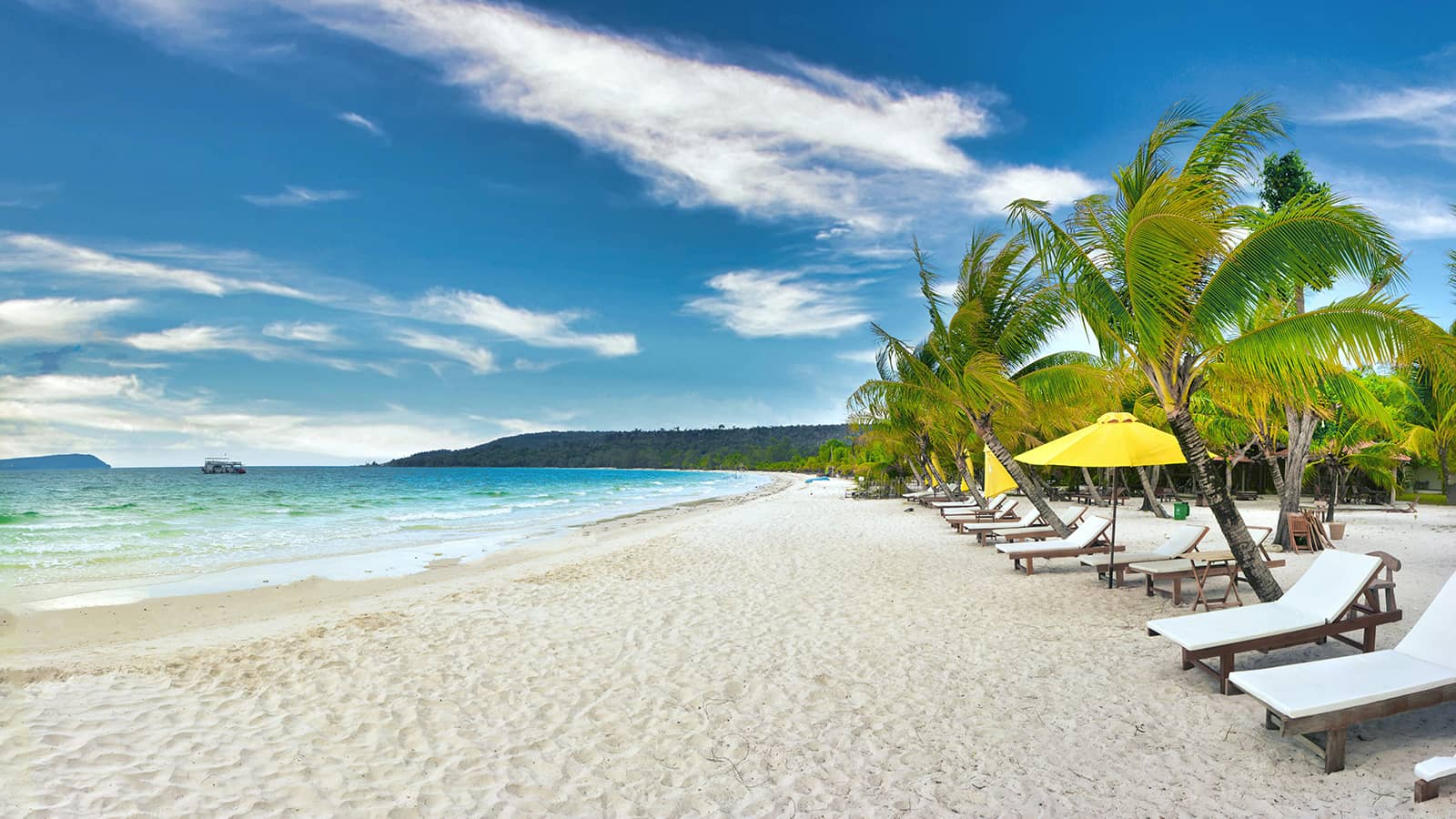
📷 Featured image by Alireza Akhlaghi on Unsplash.