On this page
- Krabi in 2026: Still Worth the Hype?
- For the Adventure Seeker: Climb, Paddle, Jump
- For the Beach Lover: Ranked by Character
- For the Island Hopper: Koh Lanta, the Four Islands, and Beyond
- For the Culture and Temple Explorer: Beyond the Beaches
- For the Foodie: Where to Eat in Krabi
- For Families with Kids: Low-Stress, High-Fun Activities
- For the Photographer: Best Compositions in Krabi
- For the Wellness Traveler: Slowing Down with Purpose
- For the Budget Backpacker: Making 700 THB a Day Work
- For the Luxury Traveler: Private and Premium Krabi
- Getting Around Krabi in 2026
- Krabi Budget Breakdown: Daily Costs in 2026
- Best Time to Visit Krabi
- Practical Tips for Visiting Krabi in 2026
- Frequently Asked Questions
💰 Click here to see Thailand Budget Breakdown
💰 Prices updated: October, 2026. Budget figures are estimates — always verify before travel.
Exchange Rate: $1 USD = ฿33.60
Daily Budget (per person)
Shoestring: ฿900.00 – ฿1,800.00 ($26.79 – $53.57)
Mid-range: ฿2,150.00 – ฿4,000.00 ($63.99 – $119.05)
Comfortable: ฿6,000.00 – ฿12,000.00 ($178.57 – $357.14)
Accommodation (per night)
Hostel/guesthouse: ฿90.00 – ฿750.00 ($2.68 – $22.32)
Mid-range hotel: ฿1,400.00 – ฿3,500.00 ($41.67 – $104.17)
Food (per meal)
Budget meal: ฿70.00 ($2.08)
Mid-range meal: ฿250.00 ($7.44)
Upscale meal: ฿1,000.00 ($29.76)
Transport
Single metro/bus trip: ฿30.00 ($0.89)
Monthly transport pass: ฿1,155.00 ($34.38)
Krabi in 2026: Still Worth the Hype?
Krabi has a 2026 problem that most Travel sites won’t admit: it’s more crowded than ever during high season, songthaew prices have crept up, and a few over-visited beaches now feel like theme parks by midday. If you arrived here expecting the quiet limestone-cliff paradise from decade-old photos, parts of it will surprise you. But here’s the honest truth — Krabi still delivers, and often spectacularly, if you know what you’re actually looking for and who you are as a traveler. This guide cuts the 25 best things to do by traveler type, so you’re not wasting a day on someone else’s itinerary.
For the Adventure Seeker: Climb, Paddle, Jump
1. Rock Climbing on Railay’s Limestone Karsts
Railay Beach is one of Southeast Asia’s premier rock climbing destinations, and in 2026 it still holds that title. The vertical limestone walls rise straight from the sea, with routes ranging from beginner-friendly to routes that will humble experienced climbers. King Climbers and Hot Rock both operate on Railay with certified guides and full equipment rental. Expect to pay around 1,500–2,000 THB for a half-day guided session including gear. The moment you chalk your hands and look up at 100 metres of ancient rock while the Andaman Sea glitters below you is something genuinely hard to replicate anywhere else on earth.
2. Sea Kayaking Through the Mangroves
The mangrove tunnels near Ao Thalane, about 25 kilometres north of Krabi Town, are among the most underrated paddling routes in southern Thailand. At high tide, you can glide through low-ceilinged root tunnels with the sound of birds and the smell of salt mud all around you. Multiple operators run half-day tours from around 800–1,200 THB. Go in the morning before tour groups arrive.
3. Cliff Jumping at Railay and Ton Sai
The natural rock ledges around Ton Sai and the eastern side of Railay offer cliff jumping spots ranging from 4 to 10 metres. No organised tour needed — locals will point you to the spots. Check the tide before you jump. This is one of the genuinely free thrills in an area where most activities cost money.

4. ATV Trails Through Jungle and Palm Plantations
Several operators near Ao Nang run ATV tours through inland rubber and palm oil plantations, covering terrain that most visitors never see. Tours last 1–2 hours and cost 1,200–2,000 THB depending on duration. It’s loud, muddy, and far more fun than it sounds.
For the Beach Lover: Ranked by Character
5. Railay West — The Postcard Beach
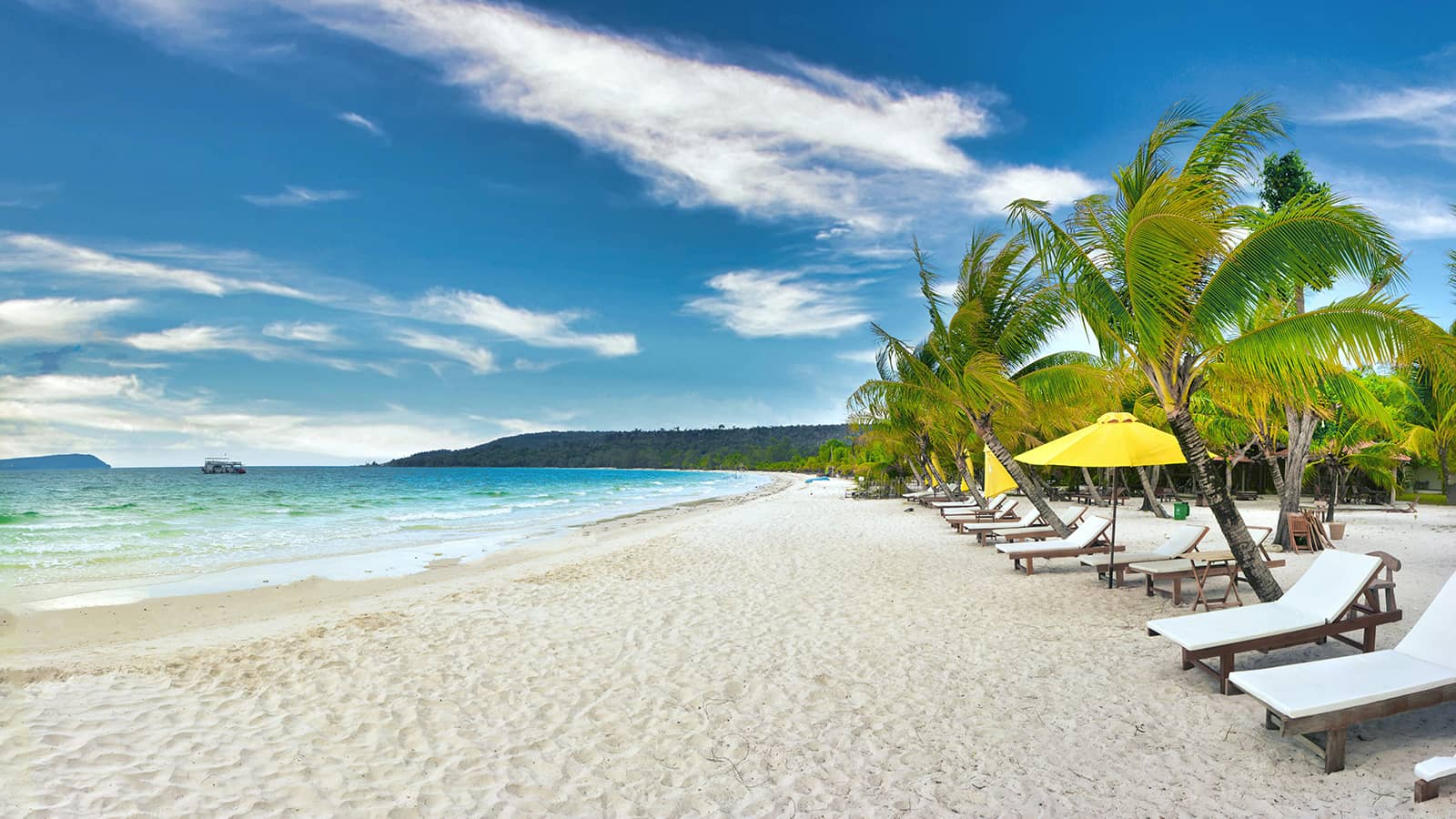
Soft white sand framed by sheer karst cliffs, accessible only by longtail boat — Railay West is genuinely as beautiful as advertised. It’s also busiest between 10am and 3pm. Arrive early by longtail from Krabi Town (250 THB per person) and you’ll have stretches of it to yourself. The water here is calm, clear, and swimmable most of the year during high season.
6. Phra Nang Cave Beach — Dramatic and Spiritual
Tucked at the southern tip of Railay peninsula, Phra Nang Beach sits beneath a massive cave shrine draped in offerings. The beach itself is narrower than Railay West but arguably more striking. The cave is filled with wooden phalluses left as offerings to the spirit of a mythical princess — an unusual, memorable scene that sets this beach apart from every other in the region.
7. Ao Nang — Convenient, Not Quiet
Ao Nang is Krabi’s main tourist beach hub, and it shows. The beach itself isn’t the region’s most beautiful, but the infrastructure is excellent — restaurants, dive shops, tour operators, and speedboat connections to the islands are all within walking distance. It suits travelers who want convenience over solitude.
8. Secret Beach (Ao Nui) — For the Effort

A 20-minute jungle hike from Railay East leads to Ao Nui, a small beach that most day-trippers never reach. The reward is a quiet cove with clear water and maybe a handful of other people. Wear shoes you don’t mind getting wet.
For the Island Hopper: Koh Lanta, the Four Islands, and Beyond
9. The Four Islands Tour
The Four Islands — Koh Kai (Chicken Island), Koh Tub, Koh Mor, and Koh Poda — are Krabi’s classic day trip circuit. Speedboat tours run daily from Ao Nang and cost around 900–1,400 THB per person including snorkelling gear and a basic lunch. The sandbar connecting Koh Tub and Koh Mor at low tide is one of Krabi’s most photographed scenes — and worth seeing in person despite the crowds.
10. Koh Lanta for an Overnight Stay
Koh Lanta sits about 70 kilometres south of Krabi Town and rewards those who stay at least one night. The island has a distinct slower rhythm — less developed than Koh Phi Phi, with long flat beaches, a mangrove national park on the southern tip, and a genuine fishing community in the Old Town. Ferry from Ao Nang Pier runs twice daily in high season and takes around 1.5–2 hours. The fare is approximately 600 THB one-way.
11. Koh Phi Phi Don — Manage Expectations
Yes, it’s stunning. Yes, it’s overcrowded during high season. Koh Phi Phi Don in 2026 is best visited on a weekday, arriving on the first morning boat and leaving before the afternoon rush of day-trippers from Phuket arrives. Speedboats from Ao Nang cost around 400–500 THB one-way and take 45 minutes. Stay overnight to see the island at its most peaceful — early morning on the viewpoint trail with mist still sitting between the hills is completely different to the midday circus below.

For the Culture and Temple Explorer: Beyond the Beaches
12. Tiger Cave Temple (Wat Tham Suea) — 1,237 Steps
The limestone summit of Tiger Cave Temple sits 600 metres above the valley floor, reached by a staircase of exactly 1,237 steps that winds through jungle. At the top: a massive golden Buddha, 360-degree views across rice paddies, mangrove channels, and distant islands, and the sound of monks chanting drifting up from the complex below. Start before 7am to beat the heat and the tour buses. Carry at least one litre of water. Admission is free. The effort is entirely worth it — the view from the top is the best in Krabi Province and costs you nothing but your legs.
13. Krabi Old Town and the Walking Street
Krabi Town itself is overlooked by most tourists who use it only as a ferry jumping-off point. The riverside walking street near Chao Fah Pier runs on Friday and Saturday evenings with local food stalls, handmade crafts, and almost no foreign tourists. The old Sino-Portuguese shophouses along Maharaj Road give the town a genuine heritage character that feels nothing like the resort strip of Ao Nang.
14. Sea Gypsy Village at Koh Lanta Old Town
The Chao Leh (sea gypsy) community at Koh Lanta’s Old Town on the east coast is one of the most authentic cultural encounters in the Krabi region. Traditional wooden stilt houses extend over the water, fishing boats bob alongside, and a working community goes about its day. Visit respectfully, buy from local sellers, and avoid treating it like a photo set.

For the Foodie: Where to Eat in Krabi
15. Krabi Town Night Market (Thanon Khong Kha)
The waterfront night market at Thanon Khong Kha near the Krabi River is the real deal — a local market with grilled seafood, pad thai cooked in blackened woks, mango sticky rice assembled to order, and fresh-squeezed sugarcane juice for 20 THB a cup. The sweet char of grilling squid drifts across the whole area from about 5pm. Budget 100–200 THB for a full meal here. It runs nightly but is most lively Thursday through Sunday.
16. Ao Nang Seafood Restaurants at the Beach Road
The stretch of seafood restaurants along Ao Nang beach road allows you to pick your fish, crab, or prawns live from the tank and have them cooked to order. Prices are higher than Krabi Town — expect 800–1,500 THB for a full seafood spread for two — but sitting outdoors as the sun drops behind the karst silhouettes with a cold Singha makes it worthwhile.
17. Local Breakfast at Pak Nam Market
Pak Nam, the small town at the mouth of the Krabi River about 5 kilometres from Krabi Town, has a morning market where locals eat before work. Khao tom (rice soup), patongko (Thai fried dough) with condensed milk, and fresh-brewed Thai tea run 30–60 THB per item. Almost no tourists. Entirely worth the tuk-tuk ride.
For Families with Kids: Low-Stress, High-Fun Activities
18. Elephant Sanctuary Day Trip
Krabi has two reputable elephant sanctuaries operating under ethical no-riding policies as of 2026 — Krabi Elephant Sanctuary near Khlong Thom and Phang Nga Elephant Park (a short drive away). These are half-day or full-day experiences where children can feed, walk alongside, and bathe with rescued elephants under supervision. Cost runs 2,000–3,000 THB per adult, with reduced rates for children under 12. Book directly through the sanctuaries to ensure the fee goes to animal welfare rather than a middleman.

19. Tiger Cave Temple (the Lower Cave Section)
If the 1,237 steps are too much for young children, the lower cave section of Wat Tham Suea is entirely accessible — a large cavern with resident monks, Buddha images, and remarkably friendly monkeys outside who will absolutely steal your snacks. Admission is free. Go in the morning.
20. Kayaking at Ao Thalane for Beginners
Ao Thalane’s flat, sheltered bay is ideal for families with young children who want to try kayaking without open-water anxiety. Operators here rent single and double kayaks by the hour for around 200–300 THB. The mangrove-lined shores are calm, and the water is shallow enough along the banks to feel safe.
For the Photographer: Best Compositions in Krabi
21. Sunrise from Railay East Viewpoint
Most photographers flock to Railay West, which faces west and is built for sunset. The underrated move is crossing to Railay East at first light, climbing the short unmarked trail to the east-facing viewpoint, and shooting the limestone karsts as pink and orange light floods the mangrove channel below. The water at low tide creates a network of silver channels through dark green mangrove — a composition unlike anything on the west side. Bring a tripod. Arrive by 5:30am.
22. Long-Tail Boats at Ao Nang Pier, Late Afternoon
The wooden longtail boats moored in lines at Ao Nang pier in the late afternoon light — hulls painted blue, green, and red, prow garlands of jasmine still bright — make for genuinely compelling images that capture the working character of Krabi’s coast. Shoot from the water’s edge between 4 and 5pm when the light is warm and side-lit. The boats are there every day. Most photographers walk right past them heading for the beach.
For the Wellness Traveler: Slowing Down with Purpose

23. Yoga Retreats and Detox Programs at Koh Lanta
Koh Lanta has developed into one of southern Thailand’s quietest and most credible wellness destinations. Resorts like Layana and the Oasis Yoga Retreat run structured multi-day programs including yoga, meditation, and supervised detox packages. A 5-day detox retreat with accommodation runs approximately 15,000–30,000 THB depending on the facility, which is considerably cheaper than equivalent programs in Phuket. The island’s pace — unhurried, undramatic — reinforces the work.
For the Budget Backpacker: Making 700 THB a Day Work
24. Free and Near-Free Krabi
Tiger Cave Temple: free. Watching sunsets from Ao Nang beach: free. Hiking the Railay jungle trail to Phra Nang: free once you’ve paid the longtail crossing. The Krabi Town waterfront walking market: eating for 100–150 THB. Renting a kayak at Ao Thalane for an hour: 200 THB. Swimming at any public beach: free. Backpackers who base themselves in Krabi Town rather than Ao Nang save significantly on accommodation — guesthouses near the bus terminal run 350–550 THB per night for a clean private room in 2026, compared to 900–1,500 THB at the Ao Nang end of the budget spectrum.
For the Luxury Traveler: Private and Premium Krabi
25. Private Longtail Charter to Hidden Coves
Chartering a longtail boat privately for a full day costs 3,000–5,000 THB depending on the boat and distance — an investment that unlocks every beach, cove, and bay on your own terms and schedule. Ask to visit Koh Daeng, Koh Hua Khwan, or the limestone caves near Koh Hong that tour groups rarely reach. Bring your own food and drinks, or arrange a catered lunch through your hotel. The Andaman at its most undisturbed — cerulean water lapping against limestone cliffs with no other boats in sight — is an experience that justifies the cost.
Getting Around Krabi in 2026
Krabi doesn’t have a single central transport system, and understanding how it actually works saves time and money.

- Songthaews (shared trucks): The main local transport. Ao Nang to Krabi Town costs 60–80 THB per person on the shared route. They run roughly 7am–6pm. After that, fares quadruple for private trips.
- Longtail boats: For Railay and nearby beaches. From Ao Nang Pier, 250 THB per person for the 15-minute crossing. From Krabi Town’s Chao Fah Pier, 200 THB per person on scheduled boats leaving when full (usually every 90 minutes).
- Grab: Available in Krabi Town and Ao Nang as of 2026, though driver availability is inconsistent. Useful for airport pickups and late-night rides. Fares from Krabi International Airport to Ao Nang run approximately 350–500 THB via Grab.
- Motorbike rental: Widely available in Ao Nang and Krabi Town. 250–350 THB per day for a 110cc automatic. International or Thai driving licence required. Roads are generally manageable but watch for tour vans on the Ao Nang–Krabi Town road.
- Ferry services: The Ao Nang–Koh Phi Phi–Koh Lanta high-season ferry schedule is well-established. In 2026, the Koh Lanta Express Boat now operates a direct Krabi Town–Koh Lanta route on a fixed daily schedule, reducing travel time to 1 hour 45 minutes.
Krabi Budget Breakdown: Daily Costs in 2026
Prices below reflect 2026 rates and assume a standard high-season visit (November–April).
- Budget (backpacker): 700–1,200 THB per day. Guesthouse near Krabi Town bus terminal (350–550 THB/night), eating at night markets and local canteens (100–200 THB per meal), using shared songthaews, free beach access and Tiger Cave Temple, one paid activity per day (kayak hire or longtail to Railay).
- Mid-range: 2,500–5,000 THB per day. 3-star hotel in Ao Nang (1,200–2,500 THB/night), restaurant meals at 250–500 THB per person, Grab for convenience, guided snorkel or Four Islands tour included.
- Comfortable/luxury: 8,000–20,000+ THB per day. Boutique resort or pool villa (4,500–15,000+ THB/night), private longtail charters, fine dining, spa sessions (1,500–3,000 THB), premium ferry or speedboat transfers.
Best Time to Visit Krabi
Krabi has two very distinct seasons, and the difference matters significantly for what you can actually do.
High season (November–April): Dry, sunny, calm seas. Peak crowds arrive December through February, with New Year’s week being the most expensive and congested period. February and March offer the best combination of good weather and slightly reduced crowds. If you’re coming for rock climbing, island-hopping, or snorkelling, this is your window.
Wet/low season (May–October): The Andaman-facing west coast of Krabi takes the full force of the southwest monsoon. Ao Nang and Railay can have rough seas that make longtail crossings difficult or cancelled. Koh Phi Phi ferries sometimes pause during heavy weather. That said, Krabi Town, Tiger Cave Temple, Ao Thalane kayaking, and inland activities remain accessible. Koh Lanta closes almost entirely in low season — most businesses shut from June through October.
Festivals to time around: Songkran (Thai New Year, 13–15 April) is celebrated energetically in Krabi Town with water fights and local street events. The Krabi Lagoon International Triathlon, which returned to a larger format in 2025, takes place in late November and brings a different kind of traveler to the region.
Practical Tips for Visiting Krabi in 2026
- SIM cards: AIS, DTAC, and True all have good coverage in Ao Nang and Krabi Town. Tourist SIM cards are available at the airport for 299–499 THB with unlimited data valid for 15–30 days. Note that signal drops significantly on Koh Lanta’s south coast and in Koh Phi Phi’s interior — download maps and accommodation confirmations offline before you arrive.
- Drinking water: Tap water is not drinkable anywhere in Krabi Province. Filtered refill stations (purified water dispensers) are widespread — a 1.5-litre refill costs 1–5 THB. Bring a refillable bottle. Buying single-use plastic bottles daily adds up financially and environmentally.
- Temple dress code: Tiger Cave Temple and all other Buddhist sites require shoulders and knees covered. Sarongs are available to borrow at the temple entrance.
- Boat safety: Longtail boats do not provide life jackets by default. Ask for one, especially with children. Cheap speedboat operators on short routes to Phi Phi sometimes overcrowd vessels — choose licensed operators through your hotel or a reputable pier desk.
- Cash: Krabi is improving its card payment acceptance, but many longtail boat operators, songthaew drivers, market vendors, and smaller guesthouses are still cash-only. ATMs are available in Ao Nang and Krabi Town. The standard foreign ATM fee in Thailand remains 220 THB per transaction in 2026 — withdraw larger amounts less frequently.
- Tourist visa: As of 2026, citizens of most Western and Southeast Asian countries receive a 60-day visa exemption on arrival in Thailand. The exemption was extended from 30 days in mid-2024 and has been made permanent. Confirm your specific nationality’s current status before travel.

Frequently Asked Questions
How many days do you need in Krabi?
Four to five days gives you enough time to cover the main beaches, do the Tiger Cave Temple climb, take a day trip to the Four Islands or Koh Phi Phi, and explore Krabi Town without rushing. If you want to add Koh Lanta as an overnight extension, budget at least six to seven days total.
Is Krabi better than Phuket?
They suit different trips. Krabi offers more dramatic scenery, better rock climbing, and a quieter overall atmosphere. Phuket has more nightlife, broader shopping, better international transport links, and more accommodation variety at every price point. Many travelers combine both — Phuket as a transit hub, Krabi as the destination.

What is the best beach in Krabi?
Railay West and Phra Nang Beach are consistently the most visually spectacular, with clear water, soft sand, and limestone cliff backdrops. Phra Nang edges ahead on drama but is only accessible via Railay. For ease of access without a boat, Ao Nang is the most convenient. For quiet, Ao Nui (Secret Beach) wins.
Is Krabi safe for solo female travelers?
Yes, broadly. Krabi is generally considered safe, and tourist areas are well-populated. Standard precautions apply: avoid deserted beaches after dark, use Grab rather than unmarked taxis late at night, and keep valuables secured. The main reported issues are petty theft near crowded piers and occasional scams around tour bookings.
What is the easiest way to get from Krabi Airport to Ao Nang?
In 2026, the most straightforward options are Grab (approximately 350–500 THB, around 40 minutes), a licensed airport minivan shared service (180 THB per person, drops at main Ao Nang hotels), or an airport taxi desk (fixed rate 500–600 THB). Public songthaews do not run directly from the airport — they require a connection in Krabi Town, which adds time and luggage hassle.
Explore more
Ao Nang Travel Guide: Your Ultimate Hub for Krabi Adventures
Best Restaurants in Krabi: From Beachfront to Hidden Gems
What to Buy in Krabi: Top Souvenirs & Unique Gifts to Bring Home
📷 Featured image by Andrzej Suwara on Unsplash.