On this page
- Phuket in 2026: More Options, Smarter Choices
- Beach Life Beyond Patong
- Island-Hopping and Snorkeling Day Trips
- Old Phuket Town: Streets Worth Walking
- Water Sports and Adventure Activities
- Where to Eat in Phuket: Specific Places, Real Food
- Temples, Viewpoints, and Iconic Landmarks
- Phuket’s Nightlife Scene
- Shopping in Phuket
- Family-Friendly Experiences
- Wellness, Spas, and Yoga in Phuket
- Getting Around Phuket in 2026
- 2026 Budget Breakdown
- Best Time to Visit Phuket
- Practical Tips for Phuket in 2026
- Frequently Asked Questions
💰 Click here to see Thailand Budget Breakdown
💰 Prices updated: October, 2026. Budget figures are estimates — always verify before travel.
Exchange Rate: $1 USD = ฿33.60
Daily Budget (per person)
Shoestring: ฿900.00 – ฿1,800.00 ($26.79 – $53.57)
Mid-range: ฿2,150.00 – ฿4,000.00 ($63.99 – $119.05)
Comfortable: ฿6,000.00 – ฿12,000.00 ($178.57 – $357.14)
Accommodation (per night)
Hostel/guesthouse: ฿90.00 – ฿750.00 ($2.68 – $22.32)
Mid-range hotel: ฿1,400.00 – ฿3,500.00 ($41.67 – $104.17)
Food (per meal)
Budget meal: ฿70.00 ($2.08)
Mid-range meal: ฿250.00 ($7.44)
Upscale meal: ฿1,000.00 ($29.76)
Transport
Single metro/bus trip: ฿30.00 ($0.89)
Monthly transport pass: ฿1,155.00 ($34.38)
Phuket in 2026: More Options, Smarter Choices
The biggest complaint about Phuket for the past decade has been the crowds — and in 2026, that complaint is still valid if you do things the way everyone else does. Bangla Road on a Saturday night, Patong Beach at noon, a longtail to Phi Phi on a public holiday — these things will test your patience. But Phuket is a genuinely large island, 576 square kilometres of it, and travelers who spread out discover a place that still earns its reputation. This guide covers 25 real things worth doing here, organized so you can build a trip around your own style rather than the standard package-tour checklist.
Beach Life Beyond Patong
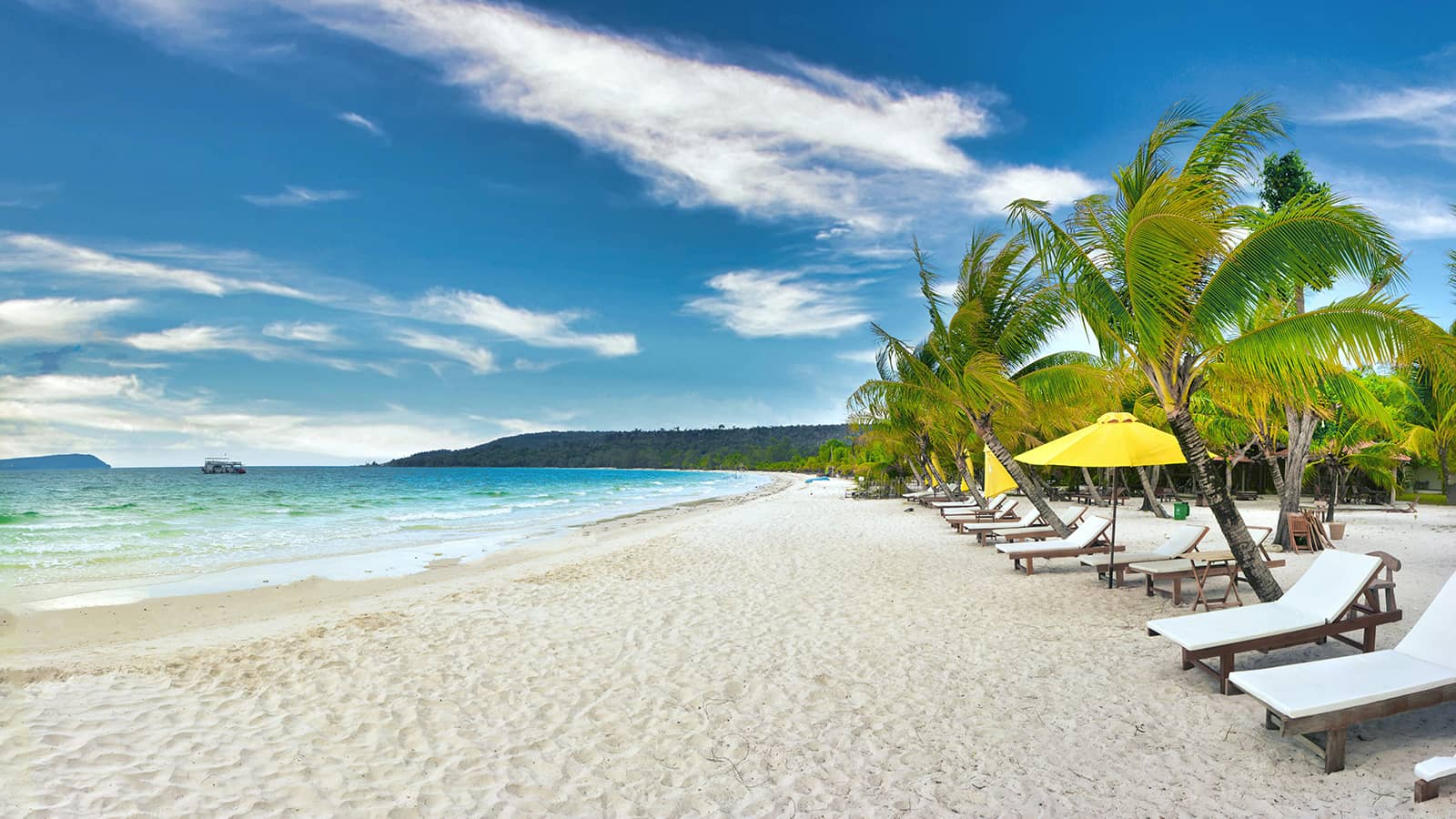
Patong is convenient, loud, and built entirely for mass tourism. It serves a purpose. But Phuket’s coastline stretches far beyond it, and the difference between beaches is dramatic — not just in crowd levels, but in character.
- Kata Noi — A small, sheltered cove south of Kata proper. Calmer than most, better for swimming from November through April, and the hillside views down to it are genuinely beautiful. It fills up by mid-morning, so arrive before 9am to get space.
- Nai Harn — At the island’s southern tip, popular with expats and long-stay visitors who know better than to head north. The water is cleaner here, the vibe is local, and the surrounding hills give it a sheltered feeling. Waves pick up from May to October, making it a surfing beach in the wet season.
- Kamala — Sits between Patong and Surin on the west coast, significantly quieter than both. Long stretch of sand, a proper Thai neighbourhood behind it, and good mid-range restaurants within walking distance.
- Surin — The “upscale” beach, with a line of beach clubs and a consistent crowd of well-dressed Europeans. The water can get rough in low season. In high season, it’s one of the most photogenic stretches on the west coast.
- Mai Khao — The long, largely undeveloped stretch at the island’s northern tip near the airport. Sea turtles still nest here between November and February. Almost no facilities, which keeps it quiet.
- Freedom Beach — Access by longtail only from Patong, which keeps it filtered. A 10-minute boat ride and you’re on a beach with clear water that feels worlds away from the main strip.

Island-Hopping and Snorkeling Day Trips
Phuket’s position in the Andaman Sea makes it the launch point for some of Thailand’s most celebrated island excursions. Each destination has a distinct personality and travel time.
- Phi Phi Islands — Still the most visited, and still worth it if you go on a small-group or private speedboat rather than a packed ferry. Maya Bay is accessible again after its extended closure for ecological recovery, but entry is now capped and pre-booking is required via the Department of National Parks app. The snorkeling around Phi Phi Leh is excellent. Budget 1,500–2,500 THB for a group tour, 5,000–12,000 THB for a private charter.
- Similan Islands — Further out (approximately 80 kilometres northwest), open from October to May only. The dive sites here rank among the best in Southeast Asia — clear visibility, diverse marine life, proper coral formations. Day trips from Phuket run around 3,500–5,000 THB including equipment.
- Racha Yai and Racha Noi — Closer to Phuket’s southern tip, only 45 minutes by speedboat. Less crowded than Phi Phi, excellent for snorkeling and beginner dives, and the water is reliably clear from November through April.
- Phang Nga Bay (James Bond Island) — The dramatic limestone karsts, emerald water, and the famous Khao Phing Kan rock (the one from The Man with the Golden Gun) are best reached by joining a sea kayak tour that takes you through sea caves and hongs (hidden lagoons accessible only at low tide). Full day, roughly 2,000–3,500 THB.
- Coral Island (Koh Hae) — Only 20 minutes from Chalong Pier by speedboat, making it a realistic half-day option. Good for beginners and families. The reef has seen some bleaching but recovery is visible.

Old Phuket Town: Streets Worth Walking
Phuket Town, the island’s actual capital, sits on the east side and gets a fraction of the tourist foot traffic that the beaches receive. It’s where the island’s Sino-Portuguese heritage is most visible — pastel-coloured shophouse facades, ornate temple shrines tucked between coffee shops, and streets that feel like they belong somewhere slower.
Thalang Road and Soi Rommanee are the core of the old town art and café scene. On weekends, the Sunday Walking Street Market (6pm–10pm) takes over Thalang Road, with local food vendors, handmade goods, and considerably more authentic atmosphere than anything in Patong. The heat of the day eases, the smell of grilled corn and pad kra pao drifts through the narrow soi, and the old shophouse walls glow under string lights.
- The Blue Elephant Mansion — A restored 1903 colonial building, open for tours even if you skip the restaurant.
- Shrine of the Serene Light — A narrow alley leads to this 100-year-old Chinese shrine, easy to miss and always quiet. Worth five minutes of your time.
- Street Art Trail — Several large-scale murals are mapped on signs throughout the old town. Joe’s Wall Art near Dibuk Road is the most photographed.
- PERANAKANNITAT Museum — Formally opened in 2023, free entry on certain days, gives solid context on the Baba-Nyonya culture that shaped the town.

Water Sports and Adventure Activities
Phuket’s west coast gets consistent surf from May through October — the same swell that closes some beaches for swimming makes Kata and Kalim beaches workable for surfing. Board rentals run around 200–400 THB per hour; lessons from around 1,000–1,500 THB for a two-hour group session.
Kiteboarding has a strong following at Nai Yang Beach in the north, where the wind corridor off the bay creates reliable conditions from June to September. Schools there cater to beginners with multi-day courses (around 12,000–18,000 THB for a 9–12 hour certification course).
For diving, the main centers operate out of Chalong. A two-dive day trip to local sites including Shark Point and Anemone Reef costs roughly 2,500–3,500 THB with equipment. PADI Open Water certification courses typically run 12,000–16,000 THB over three days. The visibility off Phuket’s east coast is lower than the Similan sites but the marine life — leopard sharks, seahorses, giant moray eels — is consistently good.
Where to Eat in Phuket: Specific Places, Real Food
The food landscape in Phuket divides clearly: tourist-oriented restaurants near the beaches, and the places locals actually eat. Both have value, but the ratio shifts heavily toward local options if you know where to look.
Street Food and Markets
- Phuket Town Weekend Night Market (Naka Market) — Operates Saturday and Sunday evenings at Saphan Hin. Enormous, largely local crowd, cheap eats from 40–120 THB per dish. This is the market to prioritize over any beach-area night market.
- Malin Plaza, Patong — If you’re staying in Patong and want affordable food without walking far, this covered market has decent options from about 80–150 THB.
- Chillva Market — A container-style night market near Phuket Town with a younger crowd, local craft beers, and street food priced at 60–150 THB. Open Thursday to Sunday evenings.
- Bang Wad Reservoir Morning Market — Local wet and cooked food market in Kathu district, busy from 6am to 9am. Excellent for cheap Thai breakfast and watching Phuket residents doing their daily shopping. Nothing here is aimed at tourists.

Specific Restaurants Worth Seeking Out
- Kopitiam by Wilai, Phuket Town — Long-established café-restaurant in a restored shophouse. Hokkien-influenced dishes, cash only, often with a queue by 11am.
- Anna’s Café, Kata — Reliable, genuinely Thai, reasonable prices (120–250 THB mains), popular with long-stay visitors who cycle back regularly.
- Sea Food Market & Restaurant, Rawai — Pick your seafood fresh from the display, they cook it your way. A production, and a good one. Budget 400–800 THB per person depending on what you choose.
Temples, Viewpoints, and Iconic Landmarks
Three sites stand apart as genuinely worth the time rather than just the photograph.
The Big Buddha (Phra Phutta Ming Mongkol Ekkanak Chi) — The 45-metre white marble statue on Nakkerd Hill is visible from much of the island’s south. The hilltop catch the sea breeze even on hot days, and the 360-degree view — Chalong Bay to the east, Kata Noi to the west, the offshore islands blurring into the horizon — earns the drive up. Go at sunrise if you can manage it: the golden light on the white marble is striking, and the crowds haven’t arrived yet. Dress modestly; sarongs are available at the entrance. Free entry, though donations are welcomed for ongoing construction work.
Wat Chalong — The most visited Buddhist temple on the island, a complex of multiple buildings with tiered roofs and gilded interiors. The Prang (tower) contains a fragment of the Buddha’s bone relic according to local belief. Less peaceful than smaller Phuket temples due to visitor numbers, but architecturally the most impressive on the island.

Promthep Cape — The southernmost point of Phuket, where the road simply stops and the Andaman Sea spreads in three directions. Sunset here can be genuinely spectacular, with silhouetted longtail boats against orange sky and the outer islands in the distance. Arrives crowded by 5:30pm; get there by 5pm or accept the company.
Phuket’s Nightlife Scene
Phuket’s nightlife is concentrated but varied. What you want determines where you go.
Bangla Road, Patong — The epicentre of Phuket’s party scene. Several hundred metres of open-fronted bars, clubs, live music venues, and entertainment shows. In 2026 it operates under stricter noise ordinances (closing time enforced at 2am in most venues), but the atmosphere between 9pm and midnight remains as chaotic and carnival-like as ever. It’s worth walking through once even if it’s not your scene.
Rooftop Bars — Several hotels in Patong and Kata Hills run rooftop operations with sea views and cocktails priced at 350–650 THB. Baba Nest at Sri Panwa resort in Cape Panwa is the most talked-about — reservations essential, dress code enforced, cocktails start at 450 THB, but the 270-degree view of the southern coastline justifies it once.
Beach Clubs — Kamala and Surin have the highest concentration. Catch Beach Club at Surin is the most established, with international DJs on weekend afternoons, sun loungers from 1,000 THB (redeemable against food and drinks), and a consistent party-by-the-sea atmosphere from 11am to midnight.
Phuket Town Bars — A quieter, craft-focused scene has developed in the old town over the past few years. Small bars on Thalang and Dibuk roads, craft beer from local and regional breweries (Sandport, Chalawan), and a crowd of expats, digital nomads, and travelers who have consciously stepped away from Patong. Drinks run 100–250 THB here.

Shopping in Phuket
Shopping in Phuket splits between fixed-price retail and the market experience.
Central Phuket Festival and Floresta — The main shopping mall complex near Phuket Town, expanded in recent years. International brands, Thai fashion chains, a large Robinson department store, and a solid food court on the upper level. Air-conditioned and reliable for anything you’ve forgotten to pack.
Jungceylon, Patong — The tourist-area mall, useful for souvenirs, swimwear, and pharmacy needs, but prices on branded goods are higher than Central Phuket.
Old Town Boutiques — Thalang Road has a growing number of small independent shops selling locally designed clothing, handmade jewelry, Thai ceramics, and Phuket-themed art prints. Prices are fair and quality is generally above what you’ll find in beach-area souvenir shops.
Chatuchak-style Weekend Flea Markets — Several temporary markets pop up around the island on weekends; the Phuket Community Markets Facebook page tracks current locations, as they shift seasonally.
Family-Friendly Experiences
Phuket works well for families traveling with children, with several activities that keep different age groups engaged without being purely touristy.
- Elephant Jungle Sanctuary, Paklok — Ethical elephant experience (no riding, no shows) where visitors can walk with, feed, and bathe alongside elephants. In 2026, several competing sanctuaries operate on the island; research beforehand — the legitimate ones charge more (1,500–2,500 THB per person) and have smaller group sizes.
- Splash Jungle Water Park, Mai Khao — Full-day water park near the airport. Good for ages 5 and up. Entry around 900–1,400 THB depending on height.
- ATV and Buggy Tours, Kathu — Off-road circuits through rubber plantations and jungle tracks in the hills behind Patong. Suitable from about age 8. Two-hour tours from around 1,200 THB per person.
- Thai Cooking Classes — Several schools in Phuket Town and Rawai run morning classes that include a market visit, hands-on cooking, and eating what you made. Typically 1,000–1,800 THB per person, duration 3–4 hours.
- Phuket Aquarium, Cape Panwa — A modest but genuine marine research facility with a public aquarium. Cheap entry (around 180 THB for adults, 100 THB for children), not world-class, but informative and quick.

Wellness, Spas, and Yoga in Phuket
Phuket has one of Thailand’s strongest wellness scenes outside of Chiang Mai, with options ranging from budget Thai massage shops to residential retreat programs that run for weeks.
Rawai and Nai Harn are the main base for yoga studios and wellness retreats on the island. The area attracts long-stay visitors specifically for its concentration of training options — Muay Thai camps, yoga teacher training programs, and detox retreats are all clustered here. Eastiny Resort area in particular has become a small wellness corridor.
Kamala is home to SHA (Amazing Thailand Safety & Health Administration) certified wellness hotels aimed at higher budgets, with package programs combining daily spa treatments, meditation, and guided nutrition from around 8,000–15,000 THB per night inclusive.
For standard Thai massage, Phuket’s legitimate shops charge 250–400 THB per hour for a traditional massage. Anything under 200 THB in a tourist area warrants scrutiny. The Phuket Town area has several good, long-established shops where the therapists are trained (not just hired off the street) and the premises are clean.
In 2026, several new float therapy and cryotherapy centers have opened in the Bang Tao and Laguna area, reflecting the growing wellness-tourism demographic arriving on direct international flights from Europe and Australia.
Getting Around Phuket in 2026
This is one of the most important practical realities of any Phuket trip. The island has historically had poor public transport, and while improvements have been made, it’s still not seamless.
Smart Bus (2026 update) — The blue Smart Bus system now covers the main tourist corridor from Phuket Town to Rawai and from the airport south through Surin, Bang Tao, Kamala, Patong, Karon, Kata, and Rawai. Flat fare of 170 THB from the airport to any stop, 50 THB between any other two stops. Buses run approximately every 30–60 minutes and are air-conditioned. Reliable enough for major beach-to-beach moves, slow for specific timing.

Grab — The most practical option for point-to-point travel. Fully operational on the island in 2026. A Grab from Phuket Airport to Patong runs approximately 400–600 THB. Airport to Rawai, 550–750 THB. Standard inter-beach trips typically cost 150–400 THB depending on distance.
Songthaews — Shared pick-up trucks running fixed routes. Cheap (30–60 THB per person for local routes), but routes don’t always line up with where tourists want to go. Useful for Phuket Town to Rawai, or central Phuket to the beaches on the main road.
Scooter Rental — Widely available at 200–350 THB per day. International driving license required by law (and increasingly enforced at checkpoints). Familiarise yourself with Phuket’s traffic patterns before going solo — the hill roads between beaches are steep and the traffic around Patong is genuinely chaotic.
Tuk-tuks and Metered Taxis — Tuk-tuks in Phuket are not the three-wheeled Bangkok variety; they’re pickup trucks with benches, operating at fixed (and typically inflated tourist) rates. Always agree on the fare before getting in.
2026 Budget Breakdown
Costs in Phuket have risen approximately 8–12% since 2024, reflecting broader regional inflation and increased international demand following several new direct long-haul routes opening in 2025.
Budget Traveler (per day)
- Accommodation: 500–900 THB (guesthouse or hostel dorm, Phuket Town or Kata)
- Food: 250–450 THB (markets, local shops, street stalls)
- Transport: 100–300 THB (Smart Bus, songthaew, occasional Grab)
- Activities: 500–1,500 THB (snorkeling day trip, temple visits, beach)
- Daily total: approximately 1,350–3,150 THB
Mid-Range Traveler (per day)
- Accommodation: 1,500–3,500 THB (3-star hotel or boutique guesthouse)
- Food: 600–1,200 THB (mix of local restaurants and one sit-down dinner)
- Transport: 300–600 THB (Grab primary, occasional songthaew)
- Activities: 1,500–3,500 THB (island day trip, diving, cooking class)
- Daily total: approximately 3,900–8,800 THB

Comfortable Traveler (per day)
- Accommodation: 5,000–15,000 THB (4–5 star resort, sea view)
- Food: 1,500–3,500 THB (resort dining, quality seafood restaurants)
- Transport: 600–1,500 THB (private transfers, Grab)
- Activities: 3,000–8,000 THB (private boat charter, spa days, golf)
- Daily total: approximately 10,100–28,000 THB
Best Time to Visit Phuket
Phuket’s seasons are more binary than nuanced: the dry season (November through April) versus the wet season (May through October). But the real picture has more texture than that.
November to February is peak season — dry, sunny, sea conditions ideal, prices highest. December and January in particular see the island at its most crowded and most expensive. Book accommodation and popular day trips weeks in advance.
March and April are still dry but shoulder-ish in crowd terms, and Songkran (Thai New Year water festival) in mid-April is a specific experience worth timing around if you’re comfortable with city-wide water fights and very full streets.
May to October sees the southwest monsoon bring regular rain — typically heavy afternoon downpours rather than all-day rain, with some weeks of sustained rough weather. Prices drop by 30–50% on accommodation. Many visitors find this a valid trade-off, particularly for beach clubs in Surin (which face away from the worst swell) and for Phuket Town exploration. The Similan Islands close entirely during this period.
Vegetarian Festival (Nine Emperor Gods Festival) — Held in October (date varies by lunar calendar), this is one of the most dramatic cultural events in southern Thailand, centered on Phuket Town. Expect street processions, firewalking, and extraordinary (and graphic) acts of devotion. Not for everyone, but genuinely unmissable if you’re here for it.
Practical Tips for Phuket in 2026
- Tourist Entry Tax — Thailand implemented a 300 THB tourist arrival fee for international visitors in late 2025, collected at the point of immigration or bundled into certain airline tickets. Confirm at check-in how your airline handles this.
- SIM Cards — Buy at the airport (AIS, DTAC, or TrueMove H desks, all before you exit arrivals). Tourist SIM cards with 15–30 days of data run 299–599 THB. Coverage across the island is strong for all three providers.
- Water — Do not drink tap water. Convenience stores sell 1.5-litre bottles for 12–18 THB. Most guesthouses and hotels provide filtered water. Carrying a refillable bottle with a filter (LifeStraw or similar) significantly cuts plastic waste and costs.
- Scams — The “temple is closed, my friend will take you somewhere better” approach still operates around busy sites. Tuk-tuk drivers quoting flat rates to beaches can also steer you to shops for commission. Use Grab when price certainty matters.
- Dress Codes at Temples — Shoulders and knees must be covered. Sarongs are always available at entrances to major temples. This applies to all genders.
- Safety at Sea — Red flag warnings on beaches are enforced during monsoon season. Do not swim when flags are up. The undertow on Phuket’s west coast is dangerous during May–October. Several drowning incidents occur every year in flagged conditions.
- Tipping — Not mandatory but appreciated. Restaurant: round up or leave 20–50 THB. Massage: 50–100 THB on top of the service. Hotel porters: 20–50 THB per bag.

Frequently Asked Questions
How many days do you need in Phuket?
Five to seven days gives you enough time to cover the main beaches, do at least one island day trip, explore Phuket Town, and decompress without rushing. Three days works if you’re focused on a single beach area. Anything beyond a week is better spent splitting time between Phuket and a nearby island like Koh Lanta or Koh Yao Noi.
Is Phuket safe for solo female travelers?
Generally yes, with standard precautions. The beach areas are well-lit and busy at night. Avoid accepting drinks from strangers in Bangla Road bars, use Grab rather than flagging down vehicles alone at night, and book accommodation in well-reviewed guesthouses rather than isolated spots. Solo female travelers report Phuket Town as considerably more comfortable than Patong after dark.
What is the best area to stay in Phuket for first-timers?
Kata or Karon for first-timers who want beach access, reasonable food options, and proximity to both Patong and the southern attractions without being in the thick of the party scene. Phuket Town suits travelers who prioritize culture, food, and lower prices over direct beach access. Patong suits those who specifically want nightlife and maximum convenience.
Can you visit Phuket on a budget in 2026?
Yes, though it’s easier if you stay in Phuket Town or Kata rather than Patong, eat at markets and local shops, use the Smart Bus system, and choose group day trips over private charters. A realistic daily budget of 1,500–2,500 THB is achievable with these choices, covering accommodation, food, transport, and one paid activity per day.
When should you avoid visiting Phuket?
There’s no truly bad time, but late September through mid-October can bring sustained heavy rain and strong surf that limits beach and water activities significantly. If water sports and snorkeling are your priority, stick to November through April. If you want lower prices and don’t mind occasional rainy afternoons, May, June, and late October can be genuinely good shoulder-season options.