On this page
- Beach Paradise: Phuket’s Top Coastal Destinations
- Cultural Immersion: Temples, Museums, and Local Heritage
- Adventure Activities: Land and Sea Thrills
- Family-Friendly Attractions and Entertainment
- Food Scene: Street Eats to Fine Dining Hotspots
- Nightlife and Entertainment Districts
- Island Hopping and Day Trip Destinations
- Shopping: Markets, Malls, and Local Crafts
- Wellness and Relaxation Experiences
- Hidden Gems and Off-the-Beaten-Path Discoveries
- 2026 Budget Breakdown for Phuket Activities
- Frequently Asked Questions
💰 Click here to see Thailand Budget Breakdown
💰 Prices updated: October, 2026. Budget figures are estimates — always verify before travel.
Exchange Rate: $1 USD = ฿33.60
Daily Budget (per person)
Shoestring: ฿900.00 – ฿1,800.00 ($26.79 – $53.57)
Mid-range: ฿2,150.00 – ฿4,000.00 ($63.99 – $119.05)
Comfortable: ฿6,000.00 – ฿12,000.00 ($178.57 – $357.14)
Accommodation (per night)
Hostel/guesthouse: ฿90.00 – ฿750.00 ($2.68 – $22.32)
Mid-range hotel: ฿1,400.00 – ฿3,500.00 ($41.67 – $104.17)
Food (per meal)
Budget meal: ฿70.00 ($2.08)
Mid-range meal: ฿250.00 ($7.44)
Upscale meal: ฿1,000.00 ($29.76)
Transport
Single metro/bus trip: ฿30.00 ($0.89)
Monthly transport pass: ฿1,155.00 ($34.38)
Phuket in 2026 offers more variety than ever, but with increased crowds and higher prices, knowing exactly where to spend your time and baht has become crucial. The island’s tourism infrastructure has expanded dramatically since 2024, with new beachfront developments, improved transportation links, and a surge in premium experiences that can quickly drain your budget if you’re not strategic about your choices.
Beach Paradise: Phuket’s Top Coastal Destinations
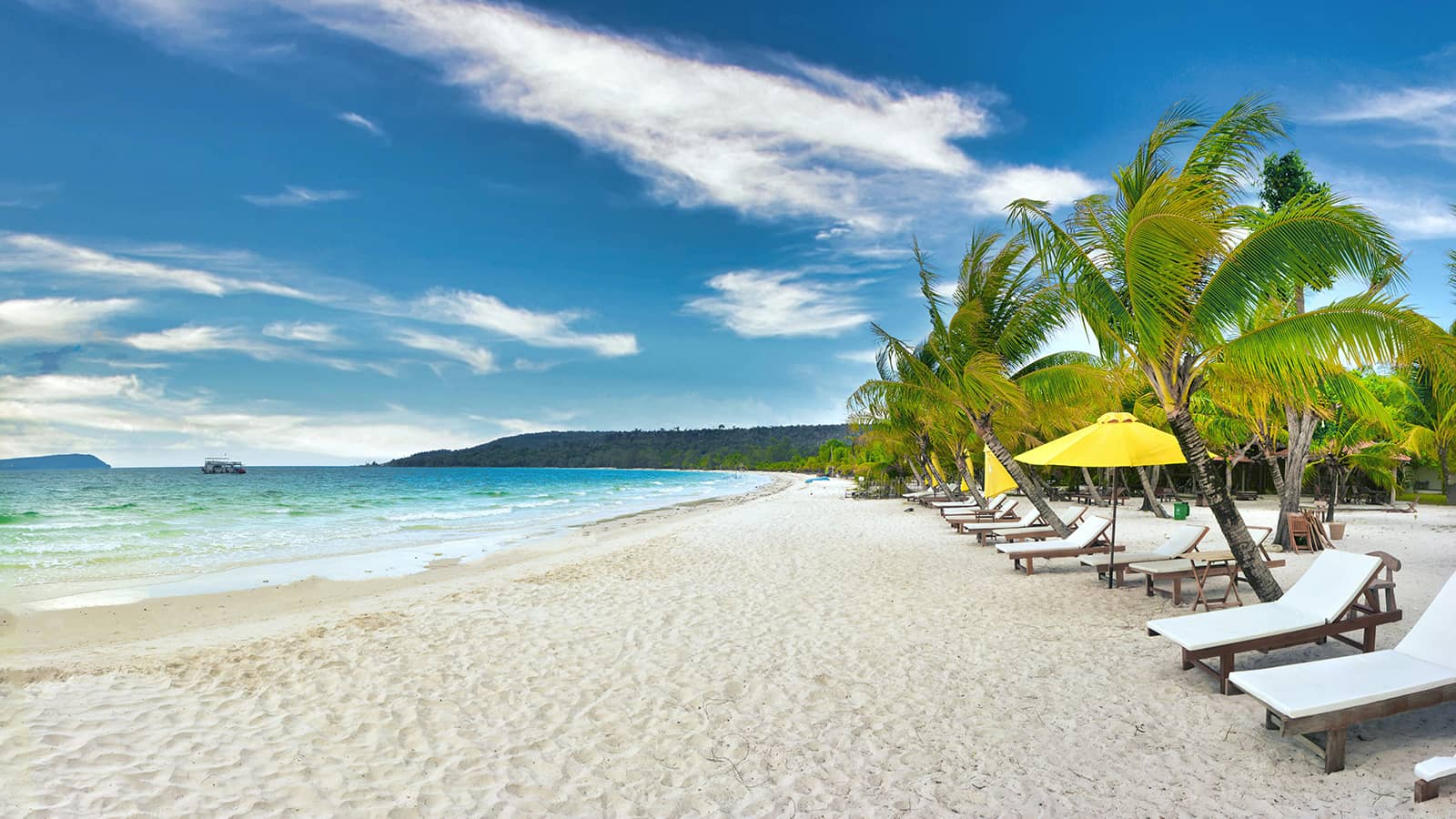
Patong Beach remains Phuket’s most famous stretch of sand, but the crowds peak between 11am and 4pm when the sun is strongest. The golden sand stretches for 3 kilometres, backed by an endless row of beach chairs (200-300 THB per day) and vendors selling fresh coconuts for 80-100 THB. The water stays warm year-round at 28-30°C, perfect for swimming despite the occasional jellyfish during monsoon season.
Kata Beach offers a more refined atmosphere with two distinct sections. Kata Noi, the smaller southern bay, attracts fewer families and provides better snorkelling conditions near the rocky headlands. The waves here build to 1-2 metres during southwest monsoon season (May-October), making it Phuket’s most reliable surf spot for beginners.
Freedom Beach lives up to its reputation as Phuket’s most pristine stretch of sand, accessible only by longtail boat (500 THB round trip) or a steep 20-minute jungle hike from Patong. The 300-metre crescent of white sand remains largely undeveloped, with just a few basic food stalls and no permanent beach chair vendors.
Surin Beach has transformed into Phuket’s upscale coastal destination, with luxury beach clubs like Catch Beach Club and HQ Beach Lounge dominating the northern end. Day beds here start at 1,500 THB but include food and beverage credits. The southern section remains public with local food vendors selling som tam and grilled seafood.
Nai Harn Beach offers the best combination of natural beauty and local atmosphere. The horseshoe-shaped bay features calm waters protected by hills on three sides, making it ideal for families with young children. The adjacent Nai Harn Lake provides a peaceful walking path away from beach crowds.

Cultural Immersion: Temples, Museums, and Local Heritage
Wat Chalong stands as Phuket’s most important Buddhist temple, housing relics of revered monks and featuring intricate Thai architecture. The main pagoda, completed in 2014, rises 60 metres and offers panoramic island views. Visitors should cover shoulders and legs, and remove shoes before entering prayer halls. The temple grounds include fortune-telling stalls and traditional herbal medicine vendors.
Big Buddha, officially called Phra Puttamingmongkol Akenakiri Buddha, dominates Phuket’s skyline from its 400-metre perch atop Nakkerd Hills. The 45-metre white Burmese marble statue took over a decade to complete and costs nothing to visit. The winding road up requires careful driving, but the 360-degree views encompass Kata, Karon, and Chalong bays.
Phuket Old Town showcases the island’s multicultural heritage through its Sino-Portuguese architecture. Thalang Road and Dibuk Road feature rows of restored shophouses painted in bright blues, yellows, and greens. Many now house cafés, art galleries, and boutique hotels. The Sunday Walking Street market (4pm-10pm) transforms Thalang Road into a pedestrian zone filled with local food vendors and handicraft stalls.
Thai Hua Museum occupies a beautifully restored Chinese school building from 1934 and chronicles Phuket’s tin mining history and Chinese immigrant community. The museum’s second floor features rotating art exhibitions, while the ground floor displays mining equipment and family artifacts from prominent local Chinese families.
Jui Tui Shrine on Ranong Road serves as the spiritual centre for Phuket’s Chinese community and becomes the focal point during the annual Vegetarian Festival in October. The shrine’s red and gold interior houses statues of Chinese deities, and visitors can purchase joss sticks and paper offerings from vendors outside.

Adventure Activities: Land and Sea Thrills
Phang Nga Bay’s limestone karsts rise dramatically from emerald waters, best explored by traditional longtail boat or modern speedboat. James Bond Island (officially Khao Phing Kan) draws massive crowds, but the real adventure lies in sea kayaking through hidden lagoons and caves accessible only at low tide. Full-day tours range from 1,800-3,500 THB depending on group size and inclusions.
Zip-lining through Phuket’s rainforest canopy offers an adrenaline rush with educational value. Hanuman World features 32 platforms connected by ziplines up to 400 metres long, suspended 40 metres above the forest floor. The experience includes nature walks with guides who identify native plant species and bird calls echoing through the trees.
Scuba diving around Phuket provides access to some of Thailand’s best underwater sites. The Phi Phi Islands offer shallow coral gardens perfect for beginners, while advanced divers head to King Cruiser Wreck, a 85-metre passenger ferry sunk in 1997 that now hosts barracuda schools and reef sharks. Two-dive day trips cost 3,200-4,500 THB including equipment.
ATV riding through rubber plantations and jungle trails appeals to adventure seekers wanting to explore Phuket’s interior. Most operators offer 2-4 hour excursions that include visits to local fruit farms and elephant sanctuaries. The muddy trails require sturdy footwear and clothes you don’t mind getting dirty.
Family-Friendly Attractions and Entertainment
Phuket Aquarium showcases over 11,000 marine species in naturalistic habitats, including a 5-million-litre oceanarium with walk-through tunnel. The touch pool allows children to interact with starfish and small rays under supervision, while feeding shows occur at 11am, 2pm, and 4pm daily. Located at Cape Panwa, the aquarium combines education with entertainment through interactive displays explaining coral reef ecosystems.

Splash Jungle Waterpark features Southeast Asia’s largest wave pool and multiple water slides suitable for different age groups. The lazy river winds through tropical landscaping, providing a relaxing float between more active attractions. Family cabanas (1,200 THB per day) include food service and shade for parents while children play.
Phuket Elephant Sanctuary operates as an ethical retirement home for former working elephants, focusing on education rather than entertainment. Visitors observe elephants bathing, foraging, and socializing in natural environments while learning about conservation efforts. The sanctuary prohibits riding and direct contact, instead offering viewing platforms and guided walks along designated paths.
Trickeye Museum creates optical illusions through 3D paintings that appear to interact with visitors when photographed from specific angles. The air-conditioned space provides respite from heat while children pose with dinosaurs, fly through painted skies, and escape from jail cells. Each exhibit includes marked camera positions for optimal photo effects.
Kathu Mining Museum occupies the site of Phuket’s first tin mine and features underground tunnels, mining equipment displays, and a working water wheel. The museum grounds include a small lake surrounded by walking paths and picnic areas shaded by rain trees.
Food Scene: Street Eats to Fine Dining Hotspots
Phuket Town’s local markets burst with authentic flavors that reflect the island’s multicultural heritage. Kanom Jeen Nam Ya, thick rice noodles served with spicy fish curry and fresh vegetables, represents Phuket’s signature dish available at most local restaurants for 60-80 THB. The curry’s complex blend of lemongrass, galangal, and dried chilies creates layers of heat that build slowly with each bite.
Raya Restaurant on Dibuk Road serves traditional Phuket cuisine in a restored Sino-Portuguese shophouse dating to 1947. Their moo hong (slow-braised pork belly in dark soy sauce) melts off the bone after hours of cooking with star anise and cinnamon, creating an aroma that fills the narrow dining room. Expect queues during dinner hours as this family-run establishment accepts no reservations.

Suay Restaurant offers modern interpretations of Southern Thai dishes using locally sourced ingredients. Chef Tammasak Chootong combines traditional techniques with contemporary presentation, serving dishes like deconstructed som tam with young papaya caviar spheres and tamarind pearls. The tasting menu (2,800 THB) changes monthly based on seasonal availability.
Street food comes alive after sunset along Phuket Town’s local neighborhoods. The Indy Night Market near Saphan Phut features over 40 vendors selling everything from grilled satay skewers (20 THB each) to fresh mango sticky rice (80 THB). The smoky char from charcoal grills mingles with the sweet scent of palm sugar caramelizing on dessert stalls.
Promthep Cape’s sunset restaurants capitalize on the island’s most famous viewpoint with overpriced mediocre food, but the hidden gem lies in the small local restaurant 500 metres down the hill. Here, fishermen’s wives serve the day’s catch grilled over coconut husks with simple lime and chili dipping sauce while the same sunset views cost nothing extra.
Nightlife and Entertainment Districts
Bangla Road transforms into Phuket’s neon playground after dark, with bars, clubs, and entertainment venues stretching for 400 metres through Patong’s heart. Live music venues feature cover bands playing classic rock and pop hits, while go-go bars and beer bars cater to different crowds. Drinks typically cost 150-250 THB for local beer and 300-450 THB for cocktails.
Illuzion nightclub occupies a massive venue with international DJs, laser shows, and VIP bottle service starting at 8,000 THB for premium brands. The main dance floor accommodates 1,500 people, while outdoor terraces provide space to escape the crowds and bass-heavy music that vibrates through the building until 4am.

Catch Beach Club in Surin Beach offers sophisticated evening entertainment with resident DJs, craft cocktails, and beachfront dining. The infinity pool reflects colored lighting while waves crash just metres away. Minimum spend requirements (2,000 THB per person) include food and beverages, making it more dinner-and-drinks than pure nightclub.
Phuket Simon Cabaret presents Thailand’s most famous ladyboy show in a purpose-built theatre near Patong Beach. The 75-minute performance features elaborate costumes, Broadway-style choreography, and lip-synced performances of international hits. Shows run nightly at 6pm, 7:45pm, and 9:30pm with tickets starting at 800 THB.
Reggae Bar on Bangla Road maintains its reputation as Patong’s longest-running live music venue, featuring local and international bands playing everything from reggae classics to modern rock covers. The intimate venue holds just 200 people, creating an authentic pub atmosphere missing from larger establishments.
Island Hopping and Day Trip Destinations
Phi Phi Islands remain Phuket’s most popular day trip destination despite overtourism concerns. Maya Bay reopens with limited daily visitors (300 per day) and mandatory environmental fees (400 THB). The morning speedboat journey takes 90 minutes through choppy waters that can trigger seasickness, but arriving early ensures better photo opportunities before afternoon crowds.
Coral Island (Koh Hae) offers excellent snorkelling just 15 minutes by speedboat from Chalong Pier. The shallow coral reefs host colorful parrotfish, angelfish, and occasional reef sharks in crystal-clear water rarely exceeding 10 metres depth. Beach clubs provide day bed rentals (500 THB) and equipment hire (snorkel sets 300 THB).
Racha Islands (Racha Yai and Racha Noi) attract serious divers and snorkellers with pristine coral reefs and diverse marine life. Racha Yai’s Ao Tawan Tok bay features powder-white sand beaches surrounded by granite boulders, while Racha Noi offers more challenging diving with manta ray cleaning stations during certain seasons.

Similan Islands require overnight trips due to distance (4 hours by speedboat), but the effort rewards visitors with Thailand’s best underwater visibility and untouched coral formations. The national park limits visitors to day trips only, with no overnight camping permitted since 2024’s new conservation regulations.
Shopping: Markets, Malls, and Local Crafts
Central Phuket represents the island’s largest shopping complex, featuring international brands, a massive food court, and Thailand’s first IMAX cinema outside Bangkok. The air-conditioned environment provides relief from tropical heat while browsing everything from designer clothing to electronics. The top floor houses a branch of Robinson department store with fixed pricing on cosmetics and accessories.
Weekend Night Market at Naka spreads across several acres with over 200 vendors selling clothing, handicrafts, and street food. The maze-like layout requires patience to navigate, but bargains include handmade silver jewelry from Chiang Mai (starting at 500 THB) and vintage band t-shirts (250-400 THB). Avoid the obviously fake designer goods that attract police attention.
Phuket Walking Street Market operates Sunday evenings along Thalang Road in Old Town, featuring local artisans selling handmade soaps, batik textiles, and wood carvings. The pedestrian-only zone creates a relaxed atmosphere for browsing while sampling regional snacks like kanom krok (coconut rice cakes) cooked in traditional cast-iron pans.
Jungceylon Shopping Center in Patong Beach caters to tourists with souvenir shops, tailors offering quick alterations, and electronics stores with duty-free prices for certain items. The basement food court serves authentic Thai dishes at local prices (60-120 THB per dish) away from inflated beachfront restaurant costs.
Chillva Market targets younger crowds with trendy clothing, vintage finds, and artisanal food vendors. The shipping container layout creates Instagram-worthy backdrops while browsing handmade leather goods, local coffee roasters, and craft beer from Thai microbreweries. Live music stages feature local bands most weekend evenings.

Wellness and Relaxation Experiences
Traditional Thai massage reaches its peak at local shops in Phuket Town charging just 300-500 THB for hour-long sessions. Experienced practitioners use pressure points and stretching techniques passed down through generations, working out knots and tension accumulated from travel stress. The best establishments display certificates from recognized massage schools and maintain clean, comfortable facilities.
Spa resorts offer comprehensive wellness packages combining multiple treatments over several days. Banyan Tree Phuket’s spa village features individual treatment pavilions surrounded by lagoons and tropical gardens, where therapists perform traditional Thai healing rituals using indigenous herbs and essential oils. Signature treatments start at 4,500 THB but include access to relaxation areas and herbal steam rooms.
Yoga retreats have proliferated across the island, with options ranging from budget-friendly beach classes (500 THB) to luxury retreat centers offering week-long programs. Vikasa Yoga Retreat on Koh Lanta provides intensive teacher training courses and daily classes overlooking Andaman Sea sunsets, while maintaining organic gardens that supply retreat meals.
Meditation centers like Wat Suwan Khiri Khet offer silent retreats for serious practitioners seeking deeper spiritual experiences. The forest monastery follows traditional Theravada Buddhism practices, with accommodation in basic huts and vegetarian meals provided through donations. Participants observe noble silence and follow strict schedules of sitting and walking meditation.
Hot springs at Khlong Thom provide natural therapeutic benefits from mineral-rich waters heated by underground volcanic activity. The developed pools maintain temperatures between 35-40°C and include changing facilities and basic restaurants. Local Thais believe the springs cure arthritis and skin conditions through regular soaking.
Hidden Gems and Off-the-Beaten-Path Discoveries
Sarasin Bridge connects Phuket to mainland Thailand via a narrow causeway where local fishermen cast nets for small silver fish during evening high tides. The bridge’s viewing platform offers panoramic views across mangrove forests and distant mountains, particularly stunning during sunset when fishing boats return with their daily catch creating silhouettes against orange skies.

Khao Rang Hill provides Phuket Town’s best viewpoint without tourist crowds or entry fees. The winding road leads to a small shrine and restaurant where local families gather for evening meals while children play in the adjacent park. The panoramic views encompass the entire eastern coastline and neighboring islands, especially dramatic during golden hour.
Bang Pae Waterfall requires a 30-minute hike through dense jungle where gibbon calls echo through the canopy and exotic butterflies flutter between flowering trees. The multi-tiered falls create natural swimming pools deep enough for cooling off after the humid trek. The adjacent Gibbon Rehabilitation Project protects rescued primates in large forest enclosures.
Baan Teelanka offers an unusual upside-down house experience where visitors walk through rooms where furniture, decorations, and even toilets hang from what appears to be the ceiling. The optical illusion photography opportunities attract Thai families more than international tourists, creating a more authentic local attraction atmosphere.
Monkey Hill (Khao Toh Sae) near Phuket Town hosts hundreds of long-tailed macaques in their natural habitat while offering panoramic island views. Early morning visits avoid both crowds and aggressive monkey behavior, as the primates remain calmer before tourist feeding disrupts their natural routines.
2026 Budget Breakdown for Phuket Activities
Budget Tier (1,000-2,000 THB per day):
Beach activities focus on public beaches with your own equipment. Patong, Kata, and Karon beaches offer free access with optional chair rentals (200-300 THB). Local food courts and street vendors provide meals for 60-120 THB each. Public transport via songthaew costs 30-50 THB for short distances, while motorbike taxis charge 100-200 THB for longer routes. Temple visits remain free, and local markets provide inexpensive shopping and entertainment.

Mid-Range Tier (2,000-4,000 THB per day):
This budget allows organized day trips to nearby islands (1,800-2,800 THB) and activities like zip-lining or ATV tours (2,200-3,200 THB). Restaurant meals at tourist-friendly establishments cost 200-400 THB per person. Private taxi transportation between beaches runs 300-600 THB depending on distance. Spa treatments at mid-range establishments cost 1,200-2,500 THB for traditional Thai massage and basic facial packages.
Comfortable Tier (4,000+ THB per day):
Premium experiences include helicopter tours (8,500-12,000 THB), luxury speedboat charters (15,000-25,000 THB per day), and high-end spa packages (4,500-8,000 THB). Fine dining restaurants charge 1,200-2,500 THB per person for multi-course meals. Private drivers cost 2,500-3,500 THB for full-day services, while luxury beach club access with day beds and food credits ranges from 2,000-4,000 THB per person.
Frequently Asked Questions
What’s the best time to visit Phuket in 2026?
November through March offers the driest weather and calmest seas for island hopping. April-May brings extreme heat but fewer crowds and lower accommodation prices. The monsoon season (June-October) features afternoon thunderstorms but maintains warm temperatures perfect for indoor attractions and spa treatments.
How many days should I spend in Phuket?
Five to seven days allows sufficient time for beach relaxation, cultural exploration, and day trips to nearby islands. First-time visitors need at least three days to experience major beaches and Old Town, while returnees often prefer longer stays focusing on specific interests like diving or wellness retreats.
Is Phuket suitable for families with young children?
Yes, especially areas like Kata Beach and Nai Harn which offer calm waters and family-friendly resorts. Many attractions cater specifically to children including water parks, aquariums, and cultural shows. However, Patong’s nightlife district requires careful navigation with families, particularly after sunset hours.
What’s changed in Phuket since 2024?
New BTS extension plans connect to the airport by late 2026, reducing transfer times significantly. Environmental regulations now limit daily visitors to popular islands like Maya Bay. Several luxury resorts opened in 2025-2026, while street food prices increased approximately 15-20% due to tourism recovery and inflation.
Can I use credit cards everywhere in Phuket?
Major tourist areas, hotels, and shopping centers accept international credit cards, but street vendors, local markets, and small restaurants prefer cash. ATMs charge 220 THB foreign transaction fees per withdrawal, so larger cash withdrawals prove more economical than frequent small amounts.
Explore more
Phuket Itinerary: Your Guide to 3, 5, or 7 Days in Paradise
The Ultimate Guide to Things to Do in Phuket
15 Best Things to Do in Phuket for an Unforgettable Trip
📷 Featured image by Artem Beliaikin on Unsplash.