On this page
- Beach Paradise: From Quiet Coves to Vibrant Stretches
- Cultural Immersion: Temples, Markets, and Island Heritage
- Adventure on Land and Sea: Action-Packed Activities
- The Night Scene: Bars, Beach Clubs, and Entertainment
- Family-Friendly Attractions That Actually Work
- Culinary Journey: Where to Eat and Drink
- Day Trip Escapes: Nearby Islands and Mainland Adventures
- Budget Breakdown: What You’ll Actually Spend in 2026
- Frequently Asked Questions
💰 Click here to see Thailand Budget Breakdown
💰 Prices updated: October, 2026. Budget figures are estimates — always verify before travel.
Exchange Rate: $1 USD = ฿33.60
Daily Budget (per person)
Shoestring: ฿900.00 – ฿1,800.00 ($26.79 – $53.57)
Mid-range: ฿2,150.00 – ฿4,000.00 ($63.99 – $119.05)
Comfortable: ฿6,000.00 – ฿12,000.00 ($178.57 – $357.14)
Accommodation (per night)
Hostel/guesthouse: ฿90.00 – ฿750.00 ($2.68 – $22.32)
Mid-range hotel: ฿1,400.00 – ฿3,500.00 ($41.67 – $104.17)
Food (per meal)
Budget meal: ฿70.00 ($2.08)
Mid-range meal: ฿250.00 ($7.44)
Upscale meal: ฿1,000.00 ($29.76)
Transport
Single metro/bus trip: ฿30.00 ($0.89)
Monthly transport pass: ฿1,155.00 ($34.38)
Koh Samui in 2026 has evolved far beyond the backpacker haven it once was, yet it hasn’t lost its laid-back Island soul. With the new high-speed ferry connections from the mainland and upgraded infrastructure throughout the island, you’ll find a destination that balances pristine beaches with sophisticated dining, ancient temples with modern beach clubs, and family resorts with vibrant nightlife districts.
Beach Paradise: From Quiet Coves to Vibrant Stretches
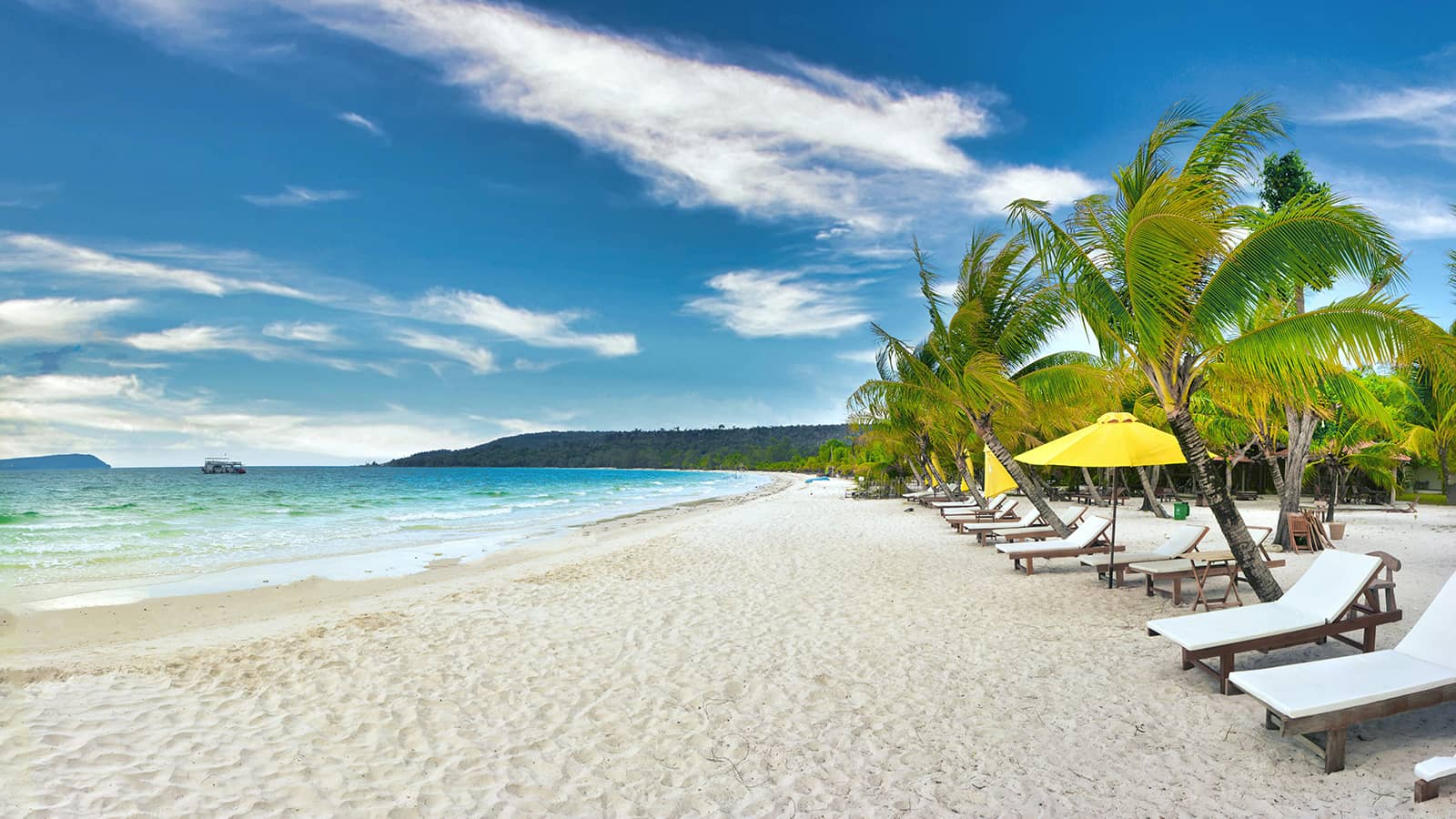
Chaweng Beach remains the island’s crown jewel, stretching 4 kilometres of powdery white sand along the east coast. The northern end buzzes with jet ski rentals and beach massage vendors, while the southern stretch offers more peaceful spots perfect for sunset drinks. The shallow, crystal-clear waters here stay warm year-round, making it ideal for swimming even during the monsoon months.
For a completely different vibe, head to Lamai Beach on the southeast coast. This crescent-shaped bay feels more relaxed than Chaweng, with its mix of boutique resorts and local guesthouses. The distinctive rock formations at the southern end, known locally as Hin Ta and Hin Yai (Grandfather and Grandmother Rocks), create natural pools perfect for snorkelling.
Fisherman’s Village in Bophut offers the perfect blend of beach life and cultural charm. The narrow stretch of sand faces west toward Koh Phangan, providing stunning sunset views over traditional longtail boats bobbing in the harbour. The adjacent walking street comes alive every Friday evening with the island’s best night market.
Secret beaches still exist if you know where to look. Taling Ngam Beach on the west coast remains largely undeveloped, offering dramatic views of the Five Islands (Koh Som, Koh Tao, Koh Mudsum, Koh Mat Lang, and Koh Rab). The rocky coastline here creates private coves accessible only by foot or kayak.

Cultural Immersion: Temples, Markets, and Island Heritage
Big Buddha Temple (Wat Phra Yai) sits on a small rocky island connected by a causeway, its 12-metre golden statue visible from several kilometres away. The temple complex buzzes with activity as both tourists and locals come to pray and make offerings. Climb the dragon-flanked staircase for panoramic views across the northeastern coastline, where you can spot traditional fishing boats alongside luxury yachts.
Wat Plai Laem showcases a different side of Thai Buddhism with its distinctive 18-arm Guanyin statue surrounded by a small lake filled with fish. The temple’s modern design incorporates traditional Lanna and Chinese architectural elements, reflecting Koh Samui’s multicultural heritage. The peaceful gardens provide a welcome escape from the beach crowds.
The island’s coconut industry legacy lives on at traditional plantations in the interior. Many still use trained monkeys to harvest coconuts, a practice dating back generations. You can watch demonstrations and learn about the island’s agricultural history while sampling fresh coconut water straight from the shell.
Lamai Cultural Hall, opened in 2025, showcases the island’s transformation from fishing community to international destination through interactive exhibits and preserved artifacts from the early days of tourism development.
Adventure on Land and Sea: Action-Packed Activities
The jungle interior reveals hidden waterfalls perfect for adventure seekers. Na Muang Waterfall offers two distinct experiences: the lower falls create a natural swimming pool surrounded by smooth boulders, while the upper falls require a steep 30-minute hike through dense tropical forest. The reward includes a secluded plunge pool where the sound of crashing water drowns out everything except bird calls and rustling leaves.
Zip-lining through the canopy at Canopy Adventures provides an adrenaline rush with educational value. The course winds through primary rainforest, offering glimpses of native wildlife including hornbills and langur monkeys. The final platform overlooks the island’s mountainous interior, a landscape few visitors ever see.

Sea kayaking around the island’s coastline reveals hidden caves and lagoons inaccessible by foot. Paddle through the limestone karsts off Taling Ngam Beach, where you can explore sea caves decorated with ancient stalactites. The early morning tours offer the best conditions, with glassy water reflecting the dramatic rock formations.
Diving and snorkelling trips to nearby Sail Rock (Hin Bai) encounter some of Thailand’s best underwater scenery. This underwater pinnacle rises from 40 metres to just below the surface, creating a marine ecosystem that includes whale sharks, barracuda schools, and vibrant soft corals. The vertical swim-through at 18 metres offers an unforgettable underwater cathedral experience.
ATV tours through rubber plantations and jungle trails provide access to rural areas tourists rarely see. The guided excursions stop at local villages where you can observe traditional rubber tapping and sample exotic fruits grown in small family gardens.
The Night Scene: Bars, Beach Clubs, and Entertainment
Chaweng Beach Road transforms after sunset into a neon-lit entertainment district stretching for kilometres. The beachfront bars spill onto the sand with fire shows starting around 9 PM, creating a carnival atmosphere against the backdrop of gentle waves and star-filled skies. Live bands perform everything from reggae covers to traditional Thai folk songs while bartenders craft cocktails from fresh tropical fruit.
Ark Bar remains the epicentre of beach party culture, with its famous pool parties drawing international DJs and hundreds of revellers. The infinity pool overlooks Chaweng Beach, creating Instagram-worthy moments as the sun sets behind Koh Phangan. The venue’s three-level layout offers different experiences, from relaxed beachside dining to high-energy dance floors.

For a more sophisticated evening, The Cliff Bar and Grill perches dramatically on Kala Rocks between Chaweng and Lamai beaches. The panoramic ocean views pair perfectly with craft cocktails and fresh seafood platters. The venue’s infinity pool appears to merge with the ocean horizon, especially magical during the full moon.
Green Mango Club anchors the late-night scene in Chaweng, keeping the music pumping until 4 AM. The club’s outdoor terrace provides a breather from the intense dance floors inside, where international DJs spin everything from house to hip-hop for a crowd that includes backpackers, luxury resort guests, and long-term expats.
Secret Garden Bar, hidden in the hills above Lamai, provides a mystical experience with its jungle setting and eclectic décor. The bar’s fairy lights strung through ancient trees create a magical ambiance, while the elevated position offers stunning views over the southern coastline.
Family-Friendly Attractions That Actually Work
Samui Aquarium and Tiger Zoo combines education with entertainment in a sprawling complex that keeps children engaged for hours. The aquarium’s walk-through tunnel provides close encounters with sharks and rays, while the adjacent zoo focuses on conservation efforts for native Thai species. The highlight involves feeding sessions where kids learn about marine ecosystems and wildlife protection.
Samui Elephant Sanctuary offers ethical animal encounters focused on rescue and rehabilitation. Unlike traditional elephant camps, this facility prioritises the animals’ welfare over tourist entertainment. Families can observe elephants in semi-natural environments while learning about conservation efforts and the challenges facing Asian elephants.
Bophut Beach offers gentle waves and shallow water perfect for toddlers, while the adjacent Fisherman’s Village provides easy access to restaurants and shops. Many resorts along this stretch offer kids’ clubs and family-friendly pools.
Butterfly Garden in Lamai creates a tropical paradise filled with hundreds of native species. Children delight in having butterflies land on their shoulders while parents appreciate the educational exhibits about metamorphosis and local ecosystems. The gardens also house exotic birds and reptiles in naturalistic enclosures.

Go-kart racing at Samui Go Kart provides thrilling entertainment for older children and parents alike. The track winds through tropical landscaping with elevation changes and technical corners that challenge drivers of all skill levels. The facility includes smaller karts for younger children and professional-grade equipment for serious racers.
Beach Safety and Family Considerations
Most beaches lack lifeguards, so constant supervision remains essential for children. The east coast beaches experience stronger currents during monsoon season (October-December), while west coast beaches generally offer calmer conditions year-round. Several resorts offer supervised kids’ clubs with beach activities and marine education programs.
Culinary Journey: Where to Eat and Drink
The island’s food scene extends far beyond typical tourist fare, especially in areas where locals actually live and work. Lamai’s morning market comes alive at 5 AM with vendors selling everything from fresh-caught fish to exotic fruits you’ve never seen. The steaming bowls of boat noodle soup served from mobile carts provide an authentic taste of Thai street food culture, with complex broths simmered for hours and fresh herbs adding brightness to every spoonful.
High-end dining on Koh Samui rivals Bangkok’s best restaurants, particularly along the quieter beaches. Tree Tops Sky Dining & Bar in Koh Samui’s hills offers progressive European cuisine with Asian influences, served in treetop pods that feel like dining in a fairy tale. The seven-course tasting menu changes seasonally and incorporates hyperlocal ingredients like coconut crab and rambutan.
The Wharf serves fresh seafood with unobstructed harbour views, where you can watch longtail boats deliver the day’s catch while enjoying tom yum goong made with prawns caught hours earlier. The spicy, sour broth cuts perfectly through the humid evening air.

For authentic Thai flavours, venture beyond the tourist areas to local favourites like Krua Chao Baan in Maenam, where a single family has served traditional southern Thai cuisine for three generations. Their gaeng som (sour curry) with fish and vegetables provides a perfect introduction to the region’s distinctive flavours, which emphasise fresh herbs, tamarind, and coconut.
Beachfront barbecue operations spring up each evening along Chaweng and Lamai beaches, with fresh seafood grilled over coconut husks creating aromatic smoke that drifts across the sand. The informal atmosphere encourages interaction with locals and other travellers while enjoying some of the island’s best value meals.
Cooking Classes and Market Tours
Island Organics Farm offers hands-on cooking classes that begin with harvesting ingredients from their organic gardens. The half-day experience includes preparing four traditional dishes while learning about sustainable agriculture and traditional preservation techniques used in island communities.
Day Trip Escapes: Nearby Islands and Mainland Adventures
Ang Thong National Marine Park encompasses 42 pristine islands scattered across emerald waters, each offering unique attractions accessible by speedboat or traditional longtail. The park’s crown jewel, Emerald Lake on Koh Mae Koh, requires a steep 20-minute climb through dense jungle, but the reward includes a hidden saltwater lake that glows green in the afternoon light.
Koh Tao, just 45 minutes away by high-speed catamaran, provides world-class diving and snorkelling opportunities without requiring an overnight stay. The island’s crystal-clear waters and abundant marine life make it perfect for beginners and experienced divers alike. Chumphon Pinnacle offers encounters with whale sharks, while Japanese Gardens provides easier snorkelling with colourful reef fish and hard corals.
Koh Phangan appeals to day-trippers seeking pristine beaches without the famous full moon party crowds. Thong Nai Pan beaches on the northeast coast rival any postcard, with white sand stretching between jungle-covered headlands. The island’s interior hides waterfalls and hiking trails perfect for adventure-seeking day visitors.

Mainland excursions to Surat Thani province reveal authentic Thai culture largely untouched by tourism. River trips through Khao Sok National Park encounter ancient rainforest, dramatic limestone cliffs, and wildlife including hornbills, gibbons, and occasionally, wild elephants. The floating bamboo rafts provide intimate access to areas impossible to reach by foot.
Donsak Pier connections make exploring the mainland’s hidden gems increasingly accessible. The new express boat services, launched in 2025, reduce travel times to nearby national parks and traditional fishing villages where tourism remains a novelty rather than the primary industry.
Budget Breakdown: What You’ll Actually Spend in 2026
Accommodation costs vary dramatically depending on location and season, with peak periods (December-March) commanding premium rates across all categories.
Budget Range (800-1,500 THB per night)
Backpacker hostels in Chaweng and Lamai offer air-conditioned dorms with lockers and shared bathrooms. Simple guesthouses away from the beach provide private rooms with basic amenities. Many include breakfast and Wi-Fi, with some offering motorbike rentals for exploring the island.
Mid-Range (1,500-4,000 THB per night)
Boutique hotels near beaches feature swimming pools, restaurant facilities, and attractive rooms with modern amenities. Three-star resorts often include breakfast and provide easy beach access without the crowds of major hotel chains. Private villa rentals in this range work well for families or groups staying several days.
Luxury Range (4,000-12,000+ THB per night)

Luxury beachfront resorts provide spa services, multiple restaurants, infinity pools, and spacious suites with ocean views. High-end villas include private pools, full kitchens, and dedicated staff for the ultimate privacy experience. Many offer exclusive beach access and personalised concierge services.
Daily Expenses
Street food meals range from 60-150 THB, while beachfront restaurants charge 300-800 THB for main courses. Local transportation by songthaew (shared pickup truck) costs 50-100 THB per trip, while private taxi transfers run 200-500 THB depending on distance. Motorbike rentals average 200-300 THB daily, including helmet and basic insurance.
Activities vary widely: temple visits are free, waterfall hikes cost 100 THB entrance fees, while full-day boat trips to nearby islands range from 1,200-2,500 THB including lunch and snorkelling equipment. Spa treatments start around 800 THB for traditional Thai massage, reaching 3,000+ THB for luxury resort spa packages.
Alcohol prices reflect the island’s import costs: local beer (Chang, Singha) costs 80-120 THB at bars, imported beer 150-200 THB. Cocktails range from 200 THB at local bars to 400+ THB at upscale beach clubs. Buying alcohol at 7-Eleven for beach consumption saves considerably, with beer costing 40-60 THB per bottle.
Frequently Asked Questions
What’s the best time to visit Koh Samui weather-wise?
December through April offers the driest weather and calmest seas, though it’s also peak season with higher prices and crowds. May through September brings occasional rain but fewer tourists and better deals on accommodation.
How do I get around the island without renting a motorbike?
Songthaews (shared pickup trucks) run regular routes between major beaches and towns for 50-100 THB per trip. Taxis and private car rentals provide more comfort and flexibility, while many hotels offer shuttle services to popular destinations.
Are the beaches safe for swimming year-round?
East coast beaches (Chaweng, Lamai) can have strong currents during monsoon season (October-December), while west coast beaches generally remain calmer. Most beaches lack lifeguards, so swimmers should exercise caution and stay within designated areas.
What should I budget for a week-long stay?
Budget travellers can manage on 2,000-3,000 THB daily including accommodation, food, and basic activities. Mid-range visitors typically spend 4,000-7,000 THB daily, while luxury travellers often exceed 10,000 THB daily including high-end accommodation and dining.
Do I need a car to explore the island properly?
While a motorbike or car provides maximum flexibility for reaching remote beaches and attractions, many visitors successfully explore using combinations of songthaews, taxis, and organised tours. The island’s ring road makes most destinations accessible within 30 minutes from major beach areas.
Explore more
Koh Samui Must-Do’s: Unforgettable Experiences for Your Island Getaway
Your Perfect 5-Day Koh Samui Itinerary: What to Do & See
Koh Samui Itinerary: The Perfect 3, 5, or 7-Day Island Escape
📷 Featured image by Kei Ching Chan on Unsplash.