On this page
- Sunrise at Big Buddha Temple: A Spiritual Island Awakening
- Secret Beach Adventures: Hidden Coves Beyond the Tourist Trail
- Island Hopping to Ang Thong Marine Park: Pristine Wilderness and Emerald Lagoons
- Night Market Food Crawls: Authentic Local Flavors in Fisherman’s Village
- Luxury Spa Experiences: Traditional Thai Wellness in Tropical Settings
- Adventure Sports and Water Activities: Adrenaline Rush Opportunities
- Cultural Immersion Beyond the Beaches: Local Village Life and Traditions
- Budget Planning for Your Koh Samui Adventures: 2026 Price Realities
- Frequently Asked Questions
Koh Samui’s tourism landscape has transformed dramatically since 2024, with new sustainable tourism initiatives reshaping how visitors experience Thailand’s third-largest Island. While Instagram-perfect beaches remain the main draw, savvy travelers in 2026 are discovering that the island’s most memorable moments happen when you venture beyond the resort gates into authentic local experiences.
Sunrise at Big Buddha Temple: A Spiritual Island Awakening
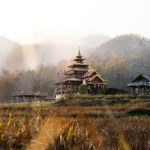
The 12-meter golden Buddha statue at Wat Phra Yai takes on an otherworldly glow as the first rays of sunlight pierce through the morning mist at 6:15 AM. The sweet fragrance of burning incense mingles with salt air while local devotees begin their morning prayers, creating an atmosphere of profound tranquility that transforms this popular tourist site into something genuinely spiritual.
Arrive before 6:00 AM to secure parking and witness the daily ritual of monks collecting alms from local vendors who set up their stalls around the temple complex. The climb up the naga staircase becomes meditative in the pre-dawn quiet, and you’ll have the upper platform mostly to yourself for those first magical moments of daybreak.
The temple’s location on a small rocky island connected by a causeway provides panoramic views across the northeast coast. Bring a light jacket as morning temperatures can drop to 23°C, especially during the cool season from December through February.
Secret Beach Adventures: Hidden Coves Beyond the Tourist Trail
While Chaweng and Lamai beaches handle the crowds, Koh Samui’s most spectacular coastal experiences hide along the island’s rugged southern and western shores. Silver Beach, tucked behind a coconut plantation near Taling Ngam, remains virtually unknown to tour groups despite offering some of the island’s clearest water and most dramatic sunset views.

Access requires a 15-minute walk through working coconut groves where you’ll hear the rhythmic thud of falling nuts and see traditional harvesting techniques still in practice. The beach itself stretches for nearly a kilometer of pristine white sand, backed by granite boulders that create natural swimming pools during low tide.
Coral Cove, on the island’s quieter northwestern coast, provides excellent snorkeling opportunities right from shore. The protected bay hosts colorful parrotfish, angelfish, and occasional reef sharks in water so clear you can see the bottom at 4-meter depths. Local fishermen rent snorkeling gear for 200 THB per day and offer informal guidance about the best coral formations.
For the ultimate secluded experience, hire a longtail boat from Thong Krut fishing village to reach Koh Taen, a small island 20 minutes offshore where pristine mangrove forests meet deserted beaches. The round-trip boat charter costs 2,500 THB for up to six people and includes stops at coral gardens perfect for underwater photography.
Island Hopping to Ang Thong Marine Park: Pristine Wilderness and Emerald Lagoons
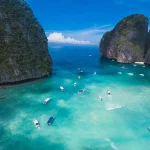
The 42 islands of Ang Thong National Marine Park represent one of Southeast Asia’s most pristine archipelagos, with limestone karsts rising dramatically from turquoise waters like something from a fantasy novel. The park’s crown jewel remains the emerald lagoon on Koh Mae Ko, where jade-green saltwater creates an almost surreal swimming experience surrounded by sheer cliff walls.
Since 2026, new sustainable tourism regulations limit daily visitors to 300 people across all islands, making advance booking essential through licensed tour operators. The most comprehensive day trips depart Koh Samui at 8:30 AM via speedboat, reaching the park in 45 minutes for a full day of exploration ending around 5:00 PM.
The hiking trail to the emerald lagoon viewpoint on Koh Mae Ko challenges even fit travelers with a steep 30-minute climb, but the panoramic vista across the entire archipelago justifies every step. Swimming in the lagoon itself requires careful timing with tides – high tide offers the best water clarity and depth for swimming.

Wua Ta Lap island serves as the park headquarters and offers the best snorkeling sites, particularly around the sheltered eastern bays where visibility often exceeds 20 meters. The island also features a 430-meter hiking trail to a spectacular viewpoint overlooking the entire marine park.
Pack reef-safe sunscreen as traditional formulas are now banned throughout the marine park to protect coral ecosystems. Quality tour operators provide these products, but bringing your own ensures you’re fully prepared.
Night Market Food Crawls: Authentic Local Flavors in Fisherman’s Village
Bophut’s Fisherman’s Village transforms after sunset into Koh Samui’s most authentic culinary destination, where the aroma of grilled seafood and fragrant curries fills narrow walking streets lined with traditional wooden shophouses. The Friday Night Walking Street market showcases genuine local flavors far removed from generic tourist restaurants.
Start your food crawl at the northern end near the old Chinese temple, where vendors serve som tam (papaya salad) made to order with wooden mortars and pestles, creating that distinctive rhythmic pounding sound. The vendor near the temple entrance adds dried shrimp and fermented fish sauce for an intensely flavorful version that locals prefer.
Move deeper into the market for grilled seafood at family-run stalls where whole fish, prawns, and squid cook over charcoal grills. Prices remain remarkably reasonable – a whole grilled snapper costs around 350 THB, easily feeding two people when paired with sticky rice and fresh herbs.
The curry vendors clustered around the market’s center offer regional specialties rarely found in hotel restaurants. Try gaeng som (sour curry) with fresh fish and vegetables, or the coconut-rich gaeng massaman that simmers for hours to develop complex layers of flavor from toasted spices and palm sugar.

End your evening with mango sticky rice from the dessert vendor near the pier, where perfectly ripe mangoes pair with coconut-infused glutinous rice that’s been steaming in banana leaves all day. The combination of sweet, creamy, and slightly salty flavors provides the perfect conclusion to your culinary adventure.
Luxury Spa Experiences: Traditional Thai Wellness in Tropical Settings
Koh Samui’s spa scene has evolved beyond standard hotel offerings to embrace authentic Thai healing traditions in spectacular natural settings. The island now hosts several world-class facilities that combine ancient wellness practices with modern luxury, creating transformative experiences that justify the premium prices.
Kamalaya Wellness Sanctuary, built around a Buddhist monks’ cave and natural spring, offers multi-day healing retreats that address specific health goals through personalized treatment programs. Their signature detox programs combine traditional Thai massage, herbal steam treatments, and customized nutrition plans designed by qualified naturopaths.
For day spa experiences, Banyan Tree Samui provides treatments in open-air pavilions overlooking Lamai Bay, where the sound of waves enhances the therapeutic benefits of traditional Thai massage techniques. Their signature Royal Thai massage incorporates stretching, acupressure, and aromatherapy using locally sourced herbs.
The Secret Garden Spa, hidden in lush tropical gardens near Choeng Mon, specializes in couples treatments using organic coconut oil and tropical fruit enzymes. Their four-hand massage performed by synchronized therapists creates an almost transcendent relaxation experience in pavilions surrounded by flowering frangipani trees.
Budget-conscious travelers can access authentic Thai massage at local shops in Nathon town, where skilled therapists trained in traditional techniques offer 60-minute oil massages for 400-500 THB in air-conditioned rooms. These neighborhood spas often provide better therapeutic value than expensive resort facilities.
Adventure Sports and Water Activities: Adrenaline Rush Opportunities

Beyond its reputation as a beach paradise, Koh Samui offers thrilling adventure activities that showcase the island’s diverse terrain and surrounding waters. The island’s mountainous interior and protected marine areas create perfect conditions for everything from canopy ziplines to technical diving.
The new Tree Top Adventure Park, opened in 2025 in the hills above Lamai, features Thailand’s longest zipline course with seven cables spanning up to 400 meters each. The final descent drops 60 meters through the rainforest canopy, providing breathtaking views across the island’s southern coast while delivering an adrenaline rush that lasts for hours.
Scuba diving around Koh Samui has improved dramatically with new artificial reef projects and stricter fishing regulations. Sail Rock, a 40-minute boat ride from the island, offers some of the Gulf of Thailand’s best diving with regular sightings of whale sharks, especially during the plankton-rich months from April through September.
Kayaking through the mangrove forests of Koh Samui’s northwestern coast reveals hidden lagoons and diverse wildlife that most visitors never experience. Guided tours launch from Thong Krut and navigate narrow channels where you’ll spot kingfishers, monitor lizards, and various crab species in their natural habitat.
Rock climbing enthusiasts can tackle the limestone cliffs at Hin Ta and Hin Yai, where routes range from beginner-friendly 5.6 grades to challenging 5.12 climbs that test even experienced climbers. Equipment rental and instruction are available through certified guides who know the best routes for different skill levels.
Cultural Immersion Beyond the Beaches: Local Village Life and Traditions
Authentic cultural experiences on Koh Samui require venturing into the island’s interior villages where traditional ways of life continue largely unchanged despite tourism development along the coasts. These encounters provide genuine insights into southern Thai culture and Buddhist traditions that have shaped island life for centuries.

The village of Na Mueang, nestled in the island’s mountainous center, maintains traditional coconut farming practices where families have worked the same groves for generations. Visitors can participate in coconut harvesting, learn traditional climbing techniques, and understand how coconut products are processed for everything from cooking oil to rope fiber.
Buddhist temple festivals occur regularly throughout the year, with Wat Plai Laem hosting particularly vibrant celebrations that welcome respectful visitors. The temple’s unique blend of Chinese and Thai architectural styles reflects the island’s multicultural heritage, while active ceremonies provide insights into contemporary Buddhist practice.
Cooking classes in family homes offer more authentic experiences than resort-based programs. Local families in Ban Hua Thanon village welcome visitors into their kitchens to learn traditional recipes using ingredients grown in backyard gardens. These intimate sessions typically include market visits, hands-on preparation, and shared meals that foster genuine cultural exchange.
The Saturday morning market in Nathon town serves locals rather than tourists, creating opportunities to observe daily island life. Vendors sell everything from fresh fish caught that morning to handwoven textiles, while the surrounding streets showcase traditional wooden architecture that predates the tourism boom.
Budget Planning for Your Koh Samui Adventures: 2026 Price Realities
Understanding Koh Samui’s 2026 pricing structure helps travelers maximize their experiences while managing costs effectively. The island’s economy has shifted toward sustainable tourism, affecting prices across all categories but also improving quality and environmental standards.
Budget Range (Under 2,000 THB per day):
- Accommodation: Fan-cooled guesthouses or basic beach bungalows (400-800 THB per night)
- Meals: Local restaurants and street food (150-300 THB per meal)
- Transport: Songthaew shared trucks and motorbike taxis (50-150 THB per trip)
- Activities: Beach time, temple visits, local market exploration
Mid-Range Comfort (2,000-5,000 THB per day):
- Accommodation: Air-conditioned boutique hotels or resort rooms (1,200-2,500 THB per night)
- Meals: Mix of local and international restaurants (300-600 THB per meal)
- Transport: Private taxi services and scooter rentals (300-500 THB per day)
- Activities: Island hopping tours, spa treatments, adventure sports

Luxury Experience (5,000+ THB per day):
- Accommodation: Five-star beachfront resorts with private pools (4,000-15,000 THB per night)
- Meals: Fine dining restaurants and resort cuisine (800-2,000 THB per meal)
- Transport: Private car with driver or luxury speedboat transfers
- Activities: Private tours, premium spa packages, helicopter excursions
Money-saving strategies include booking accommodation and tours directly through local providers rather than international booking platforms, which often add 10-15% commissions. The new Koh Samui Tourism Authority mobile app, launched in 2026, offers verified local business listings with direct contact information.
Frequently Asked Questions
What’s the best time to visit Koh Samui in 2026?
December through February offers the most reliable weather with minimal rainfall and comfortable temperatures around 27°C. March through May gets hot but remains mostly dry, while June through November brings occasional heavy showers but fewer crowds and better accommodation prices.
How many days do you need to experience Koh Samui properly?
Five to seven days allows time for beach relaxation, cultural experiences, and adventure activities without feeling rushed. This duration permits day trips to nearby islands while maintaining a relaxed pace that matches the island’s laid-back atmosphere.
Is Koh Samui suitable for solo female travelers?
Yes, Koh Samui is generally safe for solo female travelers with good tourist infrastructure and helpful locals. Standard precautions apply: avoid isolated beaches after dark, keep valuables secure, and trust your instincts when meeting new people.
What’s changed about getting to Koh Samui since 2024?
Bangkok Airways expanded flight frequency from Suvarnabhumi Airport, while the new high-speed ferry service from Chumphon operates year-round with improved comfort and reliability. The causeway to the mainland remains under construction with completion expected in 2027.
Can you island hop easily from Koh Samui?
Multiple daily speedboats connect Koh Samui with Koh Phangan (30 minutes) and Koh Tao (90 minutes). The new integrated ticketing system allows advance booking of ferry connections through authorized agents, simplifying multi-island itineraries significantly.
Explore more
Koh Samui Itinerary: The Perfect 3, 5, or 7-Day Island Escape
Your Perfect 5-Day Koh Samui Itinerary: What to Do & See
Unforgettable Things To Do in Koh Samui: Your Essential Island Itinerary
📷 Featured image by Alexandr Popadin on Unsplash.