On this page
- Iconic Beaches That Define Your Phuket Experience
- Cultural Temples and Historic Phuket Town
- Adventure Activities Above and Below Water
- Vibrant Night Markets and Street Food Scenes
- Island Hopping to Nearby Paradise Destinations
- Family-Friendly Attractions and Theme Parks
- Luxury Spa Experiences and Wellness Retreats
- Scenic Viewpoints for Stunning Photo Opportunities
- What to Budget for Your Phuket Adventure in 2026
- Frequently Asked Questions
💰 Click here to see Thailand Budget Breakdown
💰 Prices updated: October, 2026. Budget figures are estimates — always verify before travel.
Exchange Rate: $1 USD = ฿33.60
Daily Budget (per person)
Shoestring: ฿900.00 – ฿1,800.00 ($26.79 – $53.57)
Mid-range: ฿2,150.00 – ฿4,000.00 ($63.99 – $119.05)
Comfortable: ฿6,000.00 – ฿12,000.00 ($178.57 – $357.14)
Accommodation (per night)
Hostel/guesthouse: ฿90.00 – ฿750.00 ($2.68 – $22.32)
Mid-range hotel: ฿1,400.00 – ฿3,500.00 ($41.67 – $104.17)
Food (per meal)
Budget meal: ฿70.00 ($2.08)
Mid-range meal: ฿250.00 ($7.44)
Upscale meal: ฿1,000.00 ($29.76)
Transport
Single metro/bus trip: ฿30.00 ($0.89)
Monthly transport pass: ฿1,155.00 ($34.38)
Phuket‘s transformation into Thailand’s most developed island destination has accelerated dramatically by 2026, with new luxury resorts, expanded airport facilities, and improved transportation links making it more accessible than ever. Yet beneath the polished tourism infrastructure lies the authentic charm that has drawn travellers for decades—pristine beaches, vibrant local culture, and adventures that range from serene temple visits to heart-pumping water sports.
Iconic Beaches That Define Your Phuket Experience
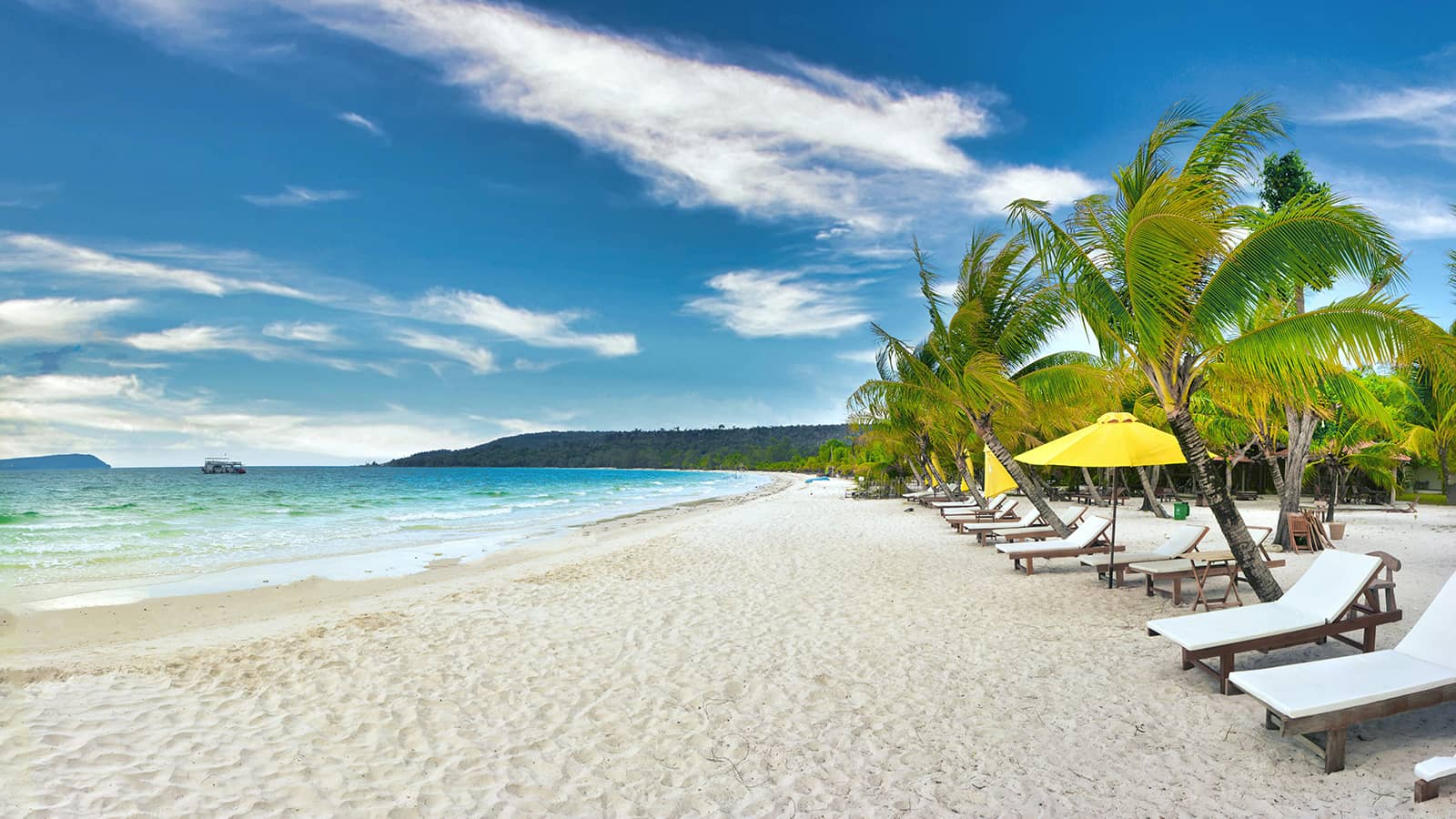
Patong Beach remains Phuket’s beating heart, where the golden sand stretches for three kilometres and the turquoise Andaman Sea crashes against the shore with a rhythmic intensity that drowns out the distant hum of Bangla Road. The beach transforms throughout the day—families claim prime spots near the southern end by 8 AM, while the northern section becomes a playground for jet skiers and parasailers by noon.
Kata Beach offers a more refined atmosphere, particularly appealing to couples and solo travellers seeking tranquility without sacrificing amenities. The crescent-shaped bay provides excellent swimming conditions, and the backdrop of palm-fringed hills creates natural wind barriers that keep the sand comfortable even during peak afternoon heat.
For those craving pristine seclusion, Freedom Beach requires a 15-minute hike through jungle paths or a longtail boat ride from Kata Beach. The effort rewards visitors with arguably Phuket’s most photogenic coastline—powder-white sand bordered by granite boulders and crystal-clear water that reveals tropical fish just metres from shore.
Surin Beach has evolved into Phuket’s sophisticated coastal hub, where upscale beach clubs serve fresh seafood alongside craft cocktails. The wide sandy expanse provides ample space for beach volleyball and sunset yoga sessions, while the nearby Surin Plaza offers convenient dining and shopping options.
Cultural Temples and Historic Phuket Town
Wat Chalong stands as Phuket’s most revered temple complex, where the morning light filters through ornate golden spires while the gentle sound of temple bells mingles with chanting monks during daily prayer sessions. The temple’s central pagoda houses sacred Buddha relics, and visitors can participate in traditional merit-making ceremonies by offering lotus flowers and lighting incense sticks.

Phuket Town’s Old Quarter showcases the island’s multicultural heritage through its distinctive Sino-Portuguese architecture. Thalang Road and Dibuk Road feature rows of shophouses painted in vibrant pastels, their wooden shutters and tile work reflecting Chinese immigrant influences from the 19th-century tin mining boom. Sunday evening transforms these historic streets into a pedestrian-only walking market filled with local artisans and street food vendors.
The Big Buddha atop Nakkerd Hill provides both spiritual significance and panoramic views across southern Phuket. The 45-metre marble statue sits 400 metres above sea level, offering visitors a peaceful retreat from beach crowds while providing stunning vistas over Chalong Bay, Kata, and Karon beaches. The site’s bell pavilion allows visitors to make merit by ringing bronze bells while taking in the expansive island views.
Adventure Activities Above and Below Water
Phuket’s underwater world comes alive through diving and snorkelling expeditions to the nearby Racha Islands, where visibility often exceeds 20 metres and coral gardens teem with parrotfish, angelfish, and reef sharks. Racha Yai’s Batok Bay offers ideal conditions for beginner divers, while Racha Noi challenges experienced divers with deeper walls and stronger currents that attract larger pelagic species.
Zip-lining through Phuket’s jungle canopy provides an adrenaline rush while showcasing the island’s inland biodiversity. Hanuman World features Thailand’s longest zip-line course, with platforms connected by cables spanning up to 400 metres between ancient trees. The experience includes abseiling, sky bridges, and treetop walkways that provide unique perspectives of the tropical rainforest ecosystem.

Sea kayaking through Phang Nga Bay reveals hidden lagoons and limestone caves accessible only during specific tide conditions. Guided tours navigate through narrow passages between towering karst formations, leading to secret beaches and emerald-green lagoons where ancient cave paintings decorate smooth rock walls. The famous James Bond Island provides a dramatic backdrop for photography, though early morning departures help avoid the crowds that arrive later via speedboat tours.
Rock climbing enthusiasts can tackle limestone cliffs at Railay Beach during day trips from Phuket, or explore local climbing spots like the quarry walls near Kathu. These sites offer routes ranging from beginner-friendly 5.6 grades to challenging 5.12 overhangs that test experienced climbers’ skills.
Vibrant Night Markets and Street Food Scenes
Phuket Weekend Market (Naka Market) explodes with sensory overload every Saturday and Sunday evening, where the smoky aroma of grilled satay skewers mingles with the sweet fragrance of mango sticky rice while vendors call out prices in rapid-fire Thai. The market’s labyrinthine alleys contain over 2,000 stalls selling everything from vintage clothing to handcrafted souvenirs, but the real draw lies in the food section where local families gather around plastic tables to share som tam salads and grilled seafood.
Malin Plaza Night Market operates daily in Patong, providing a more tourist-friendly introduction to Thai street food culture. The covered market features clearly marked prices and vendors who speak basic English, making it ideal for first-time visitors wanting to sample pad thai, green curry, and fresh fruit smoothies without language barriers.
Chillva Market has emerged as Phuket’s hippest night market, attracting young locals and expats to its industrial-chic setting near Phuket Town. The market emphasizes craft beer, artisanal coffee, and fusion food trucks that blend Thai flavours with international cuisines. Live music performances and art installations create a festival-like atmosphere that extends well past midnight on weekends.

Indy Night Market in Patong focuses specifically on street food, with over 40 vendors specializing in regional Thai dishes rarely found in tourist restaurants. The market’s highlights include khao soi from northern Thailand, larb salads from Isaan, and fresh seafood grilled over charcoal fires that create an irresistible smoky char.
Island Hopping to Nearby Paradise Destinations
The Phi Phi Islands remain Southeast Asia’s most photographed island group, despite their popularity. Maya Bay has reopened with strict visitor limits that preserve its pristine beauty while allowing limited daily access. The bay’s emerald waters and towering limestone cliffs create a natural amphitheatre that feels almost otherworldly during early morning visits before crowds arrive.
Koh Yao Noi offers an authentic alternative to Phuket’s developed coastline, where traditional Muslim fishing villages maintain their centuries-old lifestyle among rubber plantations and rice paddies. Long-tail boat tours reveal secluded beaches, while bicycle rentals allow independent exploration of the island’s quiet roads and traditional stilt houses.
James Bond Island (Koh Tapu) in Phang Nga Bay has become synonymous with Thailand’s dramatic coastal scenery. The needle-shaped limestone pillar rises 20 metres from shallow turquoise waters, creating one of the world’s most recognizable geological formations. Nearby Koh Panyee, a Muslim fishing village built entirely on stilts, offers insight into traditional sea gypsy culture and serves some of southern Thailand’s best seafood curries.
Similan Islands National Park provides world-class diving and snorkelling opportunities from November through April. The granite boulder formations and pristine coral reefs support diverse marine ecosystems, including whale sharks, manta rays, and schools of barracuda. Liveaboard diving trips offer the best access to remote dive sites, while day trips focus on the more accessible reefs around islands 4 and 8.

Family-Friendly Attractions and Theme Parks
Phuket Aquarium showcases marine life from the Andaman Sea and beyond, featuring walk-through tunnels where reef sharks and giant groupers glide overhead while children press their faces against the glass in wonder. The facility’s touch pools allow hands-on interaction with starfish and sea cucumbers, while educational programs explain coral reef conservation efforts throughout Southeast Asia.
Splash Jungle Waterpark combines thrilling water slides with a tropical jungle setting, creating an adventure playground that appeals to all ages. The park’s standout attraction, the Boomerango slide, launches riders upward through a massive funnel before sending them racing back down. Younger children enjoy the Aqua Play zone with smaller slides and water features designed for safe exploration.
Phuket Zoo and Aquarium (now rebranded as Phuket Animal Park) has transformed into a conservation-focused facility that prioritizes animal welfare while providing educational entertainment. The park’s orangutan rehabilitation program allows visitors to observe these intelligent primates in naturalistic habitats, while elephant shows have been replaced with educational talks about Asian elephant conservation.
Trickeye Museum creates interactive 3D art installations where families can pose for photos that create optical illusions. The museum’s themed zones include underwater scenes, safari adventures, and fantasy landscapes that come alive through clever photography angles and lighting effects.
Luxury Spa Experiences and Wellness Retreats
Banyan Tree Spa Phuket pioneered the luxury spa resort concept in Thailand, where traditional Thai healing practices blend with international wellness therapies in private pavilions surrounded by lagoons and tropical gardens. The signature Royal Banyan treatment combines ancient Thai massage techniques with aromatherapy oils while overlooking serene water features that enhance the meditative atmosphere.
Anantara Layan’s spa specializes in authentic Thai healing traditions passed down through generations of local healers. Treatments incorporate indigenous herbs and spices grown in the resort’s organic gardens, while traditional wooden massage beds and silk curtains create an atmosphere of refined tranquility. The spa’s hilltop location provides panoramic views over Layan Beach and the Andaman Sea.

Thann Sanctuary Day Spa offers premium wellness experiences without resort accommodation requirements, making luxury treatments accessible to all visitors. The spa’s signature treatment rooms feature private terraces overlooking tropical gardens, while the extensive menu includes everything from traditional Thai massage to modern anti-aging facials using locally sourced botanical ingredients.
Kamalaya Wellness Sanctuary has expanded to Phuket with holistic programs that address physical, mental, and spiritual well-being. Multi-day detox programs combine organic nutrition, yoga classes, meditation sessions, and therapeutic massage to create transformative wellness experiences that extend far beyond simple relaxation.
Scenic Viewpoints for Stunning Photo Opportunities
Promthep Cape provides Phuket’s most celebrated sunset viewing location, where the southernmost tip of the island offers unobstructed views across the Andaman Sea toward Koh Racha and distant islands that fade into purple silhouettes as the sun disappears below the horizon. The cape’s lighthouse and small shrine provide foreground interest for photography, while the elevated viewing deck accommodates hundreds of sunset enthusiasts during peak season evenings.
Karon Viewpoint (Three Beaches Hill) showcases three of Phuket’s most beautiful beaches in a single panoramic vista. From this elevated position, Kata Noi, Kata, and Karon beaches stretch along the coastline like crescents of white sand bordered by turquoise water and green headlands. The viewpoint is particularly stunning during late afternoon when side-lighting enhances the contrast between sand, sea, and vegetation.
Windmill Viewpoint near Nai Harn Beach offers dramatic coastal scenery with iconic wind turbines providing unique architectural elements for photography. The grassy hilltop location provides 360-degree views that include Nai Harn Beach, Yanui Beach, and the rolling hills of southern Phuket. The site remains relatively uncrowded compared to other viewpoints, making it ideal for peaceful contemplation.

Monkey Hill (Khao Toh-Sae) provides the highest accessible viewpoint in Phuket Town, offering panoramic views across the urban area toward Phang Nga Bay and distant mountain ranges. The hill’s resident macaque population adds wildlife interest, though visitors should secure bags and avoid feeding the animals. Early morning visits provide the clearest visibility and most comfortable temperatures for the steep climb to the summit.
What to Budget for Your Phuket Adventure in 2026
Budget accommodation options range from 800-1,500 THB per night for clean guesthouses and hostels in Patong, Kata, and Phuket Town. These properties typically include air conditioning, private bathrooms, and WiFi, with some offering swimming pools and basic breakfast options. Dorm beds in backpacker hostels cost 400-600 THB per night.
Mid-range hotels and boutique resorts charge 2,500-6,000 THB per night for well-appointed rooms with modern amenities, often including breakfast and pool access. These properties frequently feature convenient beach locations or easy transport links to major attractions. Three-star international hotel chains fall into this category, providing reliable comfort and service standards.
Luxury resorts and five-star hotels command 8,000-25,000 THB per night, offering premium beachfront locations, multiple dining venues, comprehensive spa facilities, and personalized service. Ultra-luxury properties and private villa rentals can exceed 30,000 THB per night during peak season, providing exclusive beach access and dedicated staff services.
Food costs vary dramatically based on dining preferences. Street food meals cost 50-150 THB per dish, with complete meals including rice, curry, and beverages totaling 200-300 THB. Mid-range restaurants charge 300-800 THB per person for full meals, while upscale dining experiences range from 1,200-3,000 THB per person excluding alcohol. International cuisine typically costs 30-50% more than equivalent Thai dishes.

Transportation expenses include 15-25 THB for local songthaew rides within beach areas, 200-400 THB for tuk-tuk trips between major destinations, and 600-1,200 THB for private taxi rides to the airport. Motorbike rentals cost 200-400 THB per day, while car rentals range from 1,200-2,500 THB daily depending on vehicle type and rental duration.
Activity costs span 800-2,500 THB for day trips to nearby islands, 1,500-4,000 THB for diving expeditions, and 500-1,500 THB for cultural tours and temple visits. Spa treatments range from 800 THB for basic Thai massages to 5,000+ THB for premium resort spa experiences.
Frequently Asked Questions
What’s the best time to visit Phuket in 2026?
November through April offers the driest weather and calmest seas, though this coincides with peak tourist season and higher prices. May through October brings afternoon thunderstorms and rougher seas but fewer crowds and significant cost savings on accommodation and flights.
How many days do I need to see Phuket properly?
Five to seven days allows time for beach relaxation, cultural exploration, one island-hopping excursion, and sampling the food scene without feeling rushed. Adventure enthusiasts or families might prefer 10-14 days to include multiple day trips and diverse activities.
Is Phuket suitable for solo female travellers?
Yes, Phuket is generally safe for solo female travellers with standard precautions. Well-lit tourist areas, reliable transportation options, and helpful locals make navigation straightforward. Avoid isolated beaches after dark and excessive alcohol consumption in unfamiliar areas.
What’s the best way to get around Phuket?
Motorbike rentals offer maximum flexibility for confident riders, while tuk-tuks provide convenient point-to-point transport. Rental cars suit families or those uncomfortable with motorbikes. Grab ride-sharing operates throughout the island, providing reliable alternatives to traditional taxis.
Do I need travel insurance for Phuket activities?
Comprehensive travel insurance is essential, particularly for water sports, motorbike riding, and adventure activities. Many diving operators require proof of insurance coverage. Medical facilities in Phuket are excellent but expensive without proper insurance coverage.
Explore more
The Ultimate Guide to Things to Do in Phuket
Phuket Itinerary: Your Guide to 3, 5, or 7 Days in Paradise
The Ultimate List: 25 Best Things to Do in Phuket, Thailand
📷 Featured image by Maksim Zhashkevych on Unsplash.