On this page
- Visa Pathways: Tourist Visas to Long-Term Residence Options
- Thai Tax Residency: The 180-Day Rule and What It Means
- Legal Framework: Work Permits and Business Registration
- Accommodation Costs Across Thailand’s Digital Hubs
- Health Insurance and Healthcare Access
- Banking and Financial Setup for Foreign Workers
- Cost of Living Breakdown: Budget vs Comfort
- Internet Infrastructure and Connectivity Requirements
- Frequently Asked Questions
Thailand’s digital nomad scene exploded post-pandemic, but 2026 brings new realities that many online guides haven’t caught up with. The Thai government has tightened visa enforcement, introduced clearer tax residency rules, and modernised work permit processes. Meanwhile, accommodation costs have risen 15-20% in major cities since 2024. If you’re planning to base yourself in Thailand for serious remote work, you need current information about visas, taxes, and living costs that reflects today’s landscape.
Visa Pathways: Tourist Visas to Long-Term Residence Options
The foundation of working from Thailand legally starts with choosing the right visa strategy. Most digital nomads begin with tourist visas, but 2026 offers several long-term paths depending on your situation and budget.
Tourist visas remain the entry point for testing the waters. Single-entry tourist visas provide 60 days (extendable once for 30 days), while multiple-entry tourist visas give you 60 days per entry over six months. Visa exemption for many nationalities provides 30 days (extendable once for 30 days). The key change in 2026 is stricter enforcement of back-to-back tourist visas. Immigration officers now scrutinise patterns of repeated tourist entries more carefully.
For longer stays, the Thailand Elite Visa has become more accessible with new membership tiers introduced in 2025. The 5-year Elite Easy Access membership costs 600,000 THB, while the 10-year Elite Family Excursion for couples costs 1,000,000 THB. These visas include unlimited entries, fast-track immigration, and airport lounge access.
The Destination Thailand Visa (DTV), launched in 2024 and refined in 2026, targets remote workers and freelancers specifically. This 5-year multiple-entry visa costs 10,000 THB and requires proof of remote work employment or freelance contracts, plus 500,000 THB in bank statements. Each entry grants 180 days, extendable once for 180 days.
For entrepreneurs, the SMART Visa programme offers 4-year renewable visas for startup founders, investors, and skilled professionals in targeted industries including digital technology. Requirements include investment thresholds or employment with approved companies, but the visa includes work authorization and family benefits.
Thai Tax Residency: The 180-Day Rule and What It Means
Thailand’s tax residency rules changed significantly in 2024, and 2026 brings clearer enforcement guidelines that every long-term resident needs to understand. The critical threshold remains 180 days per tax year (January 1 to December 31). Stay 180 days or more, and you become a Thai tax resident with obligations to report global income brought into Thailand.
The key distinction is between income earned in Thailand versus foreign income. If you’re working remotely for overseas clients or employers, that income remains foreign-sourced. However, if you bring that money into Thailand during the same tax year you earned it, it becomes assessable income subject to Thai tax rates.
Thai personal income tax rates for 2026 range from 5% on income over 150,000 THB to 35% on income over 5,000,000 THB annually. Thailand has double taxation agreements with over 60 countries, including most Western nations, which can reduce or eliminate double taxation on the same income.
Many nomads manage tax exposure by timing money transfers. Bringing previous year’s earnings into Thailand typically avoids current-year tax obligations. Others maintain non-resident status by limiting stays to under 180 days per calendar year.
The Revenue Department has introduced online tax filing systems in English and requires tax identification numbers (TIN) for all resident taxpayers. Processing a TIN takes 2-3 weeks with proper documentation including passport, visa, and address registration.
Legal Framework: Work Permits and Business Registration
Working in Thailand technically requires a work permit, even for remote work. However, enforcement varies significantly based on work type and visibility. The reality is nuanced and has evolved considerably since 2024.

For traditional employment with Thai companies, work permits remain mandatory. The process requires a job offer, educational credentials verification, and health certificates. Processing takes 4-6 weeks and costs approximately 3,000-5,000 THB plus additional fees for document authentication.
Remote work for foreign companies exists in a gray area. Technically, earning income while in Thailand could require work authorization, but enforcement focuses primarily on activities that compete with Thai workers or involve Thai clients. Most nomads working exclusively for overseas clients or their own foreign businesses operate without work permits, though this carries legal risk.
For entrepreneurs wanting full legal clarity, establishing a Thai company provides the clearest path. Limited companies require four shareholders (can include nominees), minimum capital of 2 million THB, and annual auditing requirements. Costs range from 50,000-100,000 THB for professional setup including registration, permits, and first-year compliance.
The Board of Investment (BOI) offers incentives for businesses in targeted sectors including software development, digital services, and technology startups. BOI-promoted companies enjoy tax incentives and simplified work permit processes for foreign staff.
Accommodation Costs Across Thailand’s Digital Hubs
Accommodation costs have increased significantly across Thailand’s main nomad destinations since 2024, driven by increased demand and limited supply of quality long-term rentals. Understanding current market rates helps budget effectively for extended stays.
Bangkok remains the premium option with the best infrastructure but highest costs. Modern condominiums in nomad-friendly areas like Thonglor, Ekkamai, and Ari range from 25,000-45,000 THB monthly for studio or one-bedroom units. Luxury buildings with co-working spaces and international management charge 35,000-60,000 THB monthly. Budget options in areas like Ramkhamhaeng or Saphan Phut start around 12,000-18,000 THB but often lack reliable internet and international amenities.
Chiang Mai offers better value with similar infrastructure quality. One-bedroom condominiums near the Old City or Nimmanhaemin cost 15,000-25,000 THB monthly, while luxury units with mountain views range 20,000-35,000 THB. Houses with private gardens in suburban areas like Hang Dong cost 18,000-28,000 THB monthly and provide more space for home offices.

Phuket targets higher-income nomads with premium pricing. Modern apartments in Patong, Kata, or Rawai cost 20,000-40,000 THB monthly for basic units, while beachfront condominiums with resort amenities range 35,000-70,000 THB monthly. The island’s limited public transport means many nomads factor in motorbike rental (3,000-5,000 THB monthly) or car rental (12,000-18,000 THB monthly).
Koh Samui provides a middle ground between Bangkok’s infrastructure and island living. One-bedroom units near Chaweng or Lamai cost 18,000-32,000 THB monthly, while villa compounds popular with nomads charge 25,000-45,000 THB monthly including utilities and housekeeping.
Health Insurance and Healthcare Access
Thailand’s healthcare system ranks among Asia’s best, but insurance requirements have become more stringent for long-term residents. Most visa types now require health insurance coverage, and even tourist visas benefit from comprehensive protection given Thailand’s high-quality but expensive private healthcare.
Mandatory insurance minimums vary by visa type. Tourist visas require 50,000 USD coverage, while long-term visas like the DTV require 100,000 USD coverage. Thailand Elite Visa includes group insurance options, but many members supplement with additional coverage for better benefits.
International health insurance from providers like Cigna Global, Allianz Care, or Pacific Cross Thailand costs 2,000-8,000 THB monthly depending on coverage levels and deductibles. Local Thai insurers like AIA Thailand or Bangkok Insurance offer competitive rates for Thailand-only coverage starting around 1,200-3,000 THB monthly.
Thailand’s private hospital networks including Bumrungrad, Bangkok Hospital, and Samitivej maintain international standards with English-speaking staff. Consultation fees range 1,000-3,000 THB, while comprehensive health checks cost 8,000-15,000 THB. Prescription medications often cost significantly less than Western countries.

The universal healthcare system covers long-term residents with work permits, but private insurance remains essential for quality care without waiting periods. Many nomads combine basic Thai insurance with travel insurance for evacuation coverage and worldwide treatment options.
Banking and Financial Setup for Foreign Workers
Opening Thai bank accounts has become more challenging for short-term residents, but remains essential for paying rent, utilities, and reducing money transfer fees. Requirements and processes vary significantly between banks and branches.
Bangkok Bank, Kasikorn Bank, and Krung Thai Bank are most foreigner-friendly. Requirements typically include passport, visa with remaining validity, address certificate from immigration or embassy, and initial deposit of 500-2,000 THB. Some branches require work permits or long-term visas, while others accept tourist visas with proper documentation.
The key documents are address certificates and reference letters. Immigration offices issue address certificates for 500 THB with proof of residence. Alternatively, embassy letters confirming address work at some banks but cost 1,000-2,000 THB depending on nationality.
Account maintenance fees range 200-500 THB monthly, while ATM cards cost 200-300 THB annually. International transfer fees vary but expect 200-500 THB per incoming transfer plus correspondent bank charges. Mobile banking apps like K-Mobile and Bangkok Bank Mobile work seamlessly for daily transactions.
For nomads unable to open local accounts, international services like Wise (formerly TransferWise) offer Thai bank details for receiving baht transfers and competitive exchange rates. Revolut and other digital banks provide fee-free ATM withdrawals up to monthly limits.
Cryptocurrency adoption is growing, with local exchanges like Bitkub offering baht trading pairs. However, regulations remain evolving, and most daily transactions still require traditional banking or cash payments.
Cost of Living Breakdown: Budget vs Comfort
Cost of living varies dramatically based on lifestyle choices, location, and accommodation standards. Understanding realistic monthly budgets helps plan sustainable long-term stays across different comfort levels.

Budget living (30,000-45,000 THB monthly) covers basic needs with careful spending. This includes older apartment or shared accommodation (8,000-15,000 THB), local food markets and street stalls (8,000-12,000 THB), basic health insurance (1,500-2,500 THB), local transport including songthaews and buses (1,500-3,000 THB), and entertainment focused on free activities and local venues (3,000-6,000 THB). This lifestyle works in smaller cities like Chiang Mai or Udon Thani but requires significant compromises in Bangkok or island destinations.
Mid-range comfort (50,000-80,000 THB monthly) provides good quality of life without luxury. Modern apartment or condominium (18,000-30,000 THB), mix of local and international food including regular restaurant meals (12,000-18,000 THB), comprehensive health insurance (2,500-4,000 THB), reliable transport including taxis and ride-sharing (3,000-6,000 THB), regular entertainment, co-working spaces, and weekend trips (8,000-15,000 THB). This range works well across all major nomad destinations and provides reliable internet, air conditioning, and Western amenities when needed.
Comfortable living (80,000-150,000 THB monthly) offers luxury and convenience comparable to Western cities. Premium accommodation with building amenities (30,000-60,000 THB), international cuisine, organic markets, and fine dining (20,000-35,000 THB), premium health insurance with low deductibles (4,000-8,000 THB), private transport or car rental (8,000-20,000 THB), and premium entertainment, regular travel, and lifestyle services (15,000-30,000 THB). This lifestyle provides maximum comfort but requires substantial income or savings.
Internet Infrastructure and Connectivity Requirements
Thailand’s internet infrastructure has improved dramatically, but connectivity quality varies significantly by location and building age. Understanding options and backup plans ensures uninterrupted remote work capability.

Fiber internet from providers like AIS Fibre, True Online, and 3BB offers speeds up to 1 Gbps in major cities. Standard packages provide 100-300 Mbps download speeds for 590-990 THB monthly including router rental. Installation takes 3-7 days with technician visits, and requires passport and address verification.
Building infrastructure determines maximum speeds. Newer condominiums and office buildings support gigabit connections, while older apartments may limit speeds to 50-100 Mbps. Always test internet speeds before committing to long-term leases, particularly for video conferencing and large file uploads.
Mobile internet provides essential backup connectivity. Unlimited data plans from AIS, dtac, and True cost 599-899 THB monthly with 4G/5G coverage in cities. 5G networks now cover Bangkok, Chiang Mai, Phuket, and Pattaya with speeds often exceeding home fiber connections.
The humid climate of Thailand can affect equipment performance. Router placement away from direct sunlight and good ventilation prevents overheating that causes connection drops. Many nomads invest in uninterruptible power supplies (UPS) for critical work sessions during frequent power fluctuations.
Co-working spaces offer professional backup options with redundant connections, generators, and meeting rooms. Day passes cost 300-800 THB, while monthly memberships range 3,000-8,000 THB depending on location and amenities. Popular chains include HUBBA-TO, The Hive, and Dojo Bali (which expanded to Thailand in 2025).
Frequently Asked Questions
Can I legally work remotely for my overseas company while in Thailand?
This exists in a legal gray area. Technically, earning income in Thailand may require work authorization, but enforcement focuses on activities competing with Thai workers. Most remote workers for foreign companies operate without issues, though full legal compliance requires work permits or company registration.
How do I avoid becoming a Thai tax resident?
Stay less than 180 days per calendar year to maintain non-resident status. If you exceed 180 days, you become tax resident but only pay Thai tax on foreign income brought into Thailand during the same tax year earned.

What’s the best visa for digital nomads planning 6-12 month stays?
The Destination Thailand Visa (DTV) is ideal for this timeframe. It costs 10,000 THB for 5 years, allows 180-day stays (extendable once), and specifically targets remote workers. Processing requires proof of remote work and 500,000 THB in bank statements.
Are Thai bank accounts necessary for long-term stays?
While not legally required, Thai bank accounts significantly reduce money transfer costs and enable rent payments, utility bills, and online purchases. International services like Wise provide alternatives but with higher transaction costs for daily spending.
How reliable is internet for video calls and online meetings?
Major cities offer excellent fiber internet with 100+ Mbps speeds suitable for HD video calls. Always test connections before important meetings, maintain mobile data backup, and consider co-working spaces for critical presentations requiring guaranteed connectivity.
Explore more
How Much Does it Cost to Live in Thailand as a Digital Nomad?
Top 10 Co-working Spaces in Bangkok for Digital Nomads
Chiang Mai Nomad Scene: Best Co-working Cafes & Hubs
Finding Long-Term Accommodation in Thailand: A Nomad’s Guide
Thailand Smart Visa for Digital Nomads: Is it Right for You?
Understanding Thailand’s DESTV Visa for Remote Workers
Thailand Elite Visa: The Ultimate Long-Stay Option for Nomads?
Living in Thailand as a Foreigner: Essential Tips for Expats & Nomads
Your Complete Thailand Remote Work Guide: Setup, Culture & More
Beyond the Temples: Exploring the Bangkok Digital Nomad Scene
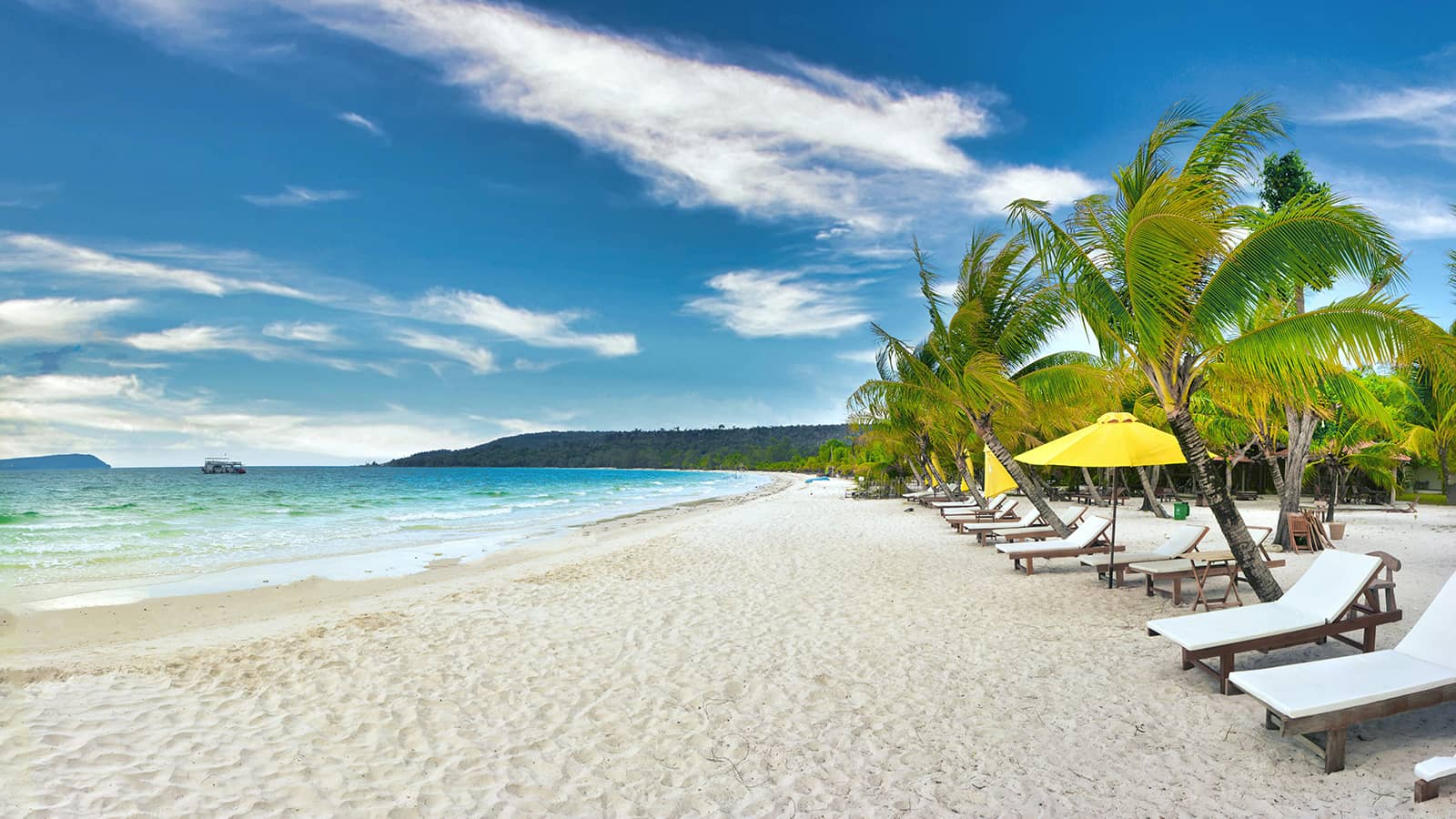
📷 Featured image by Umair Dingmar on Unsplash.